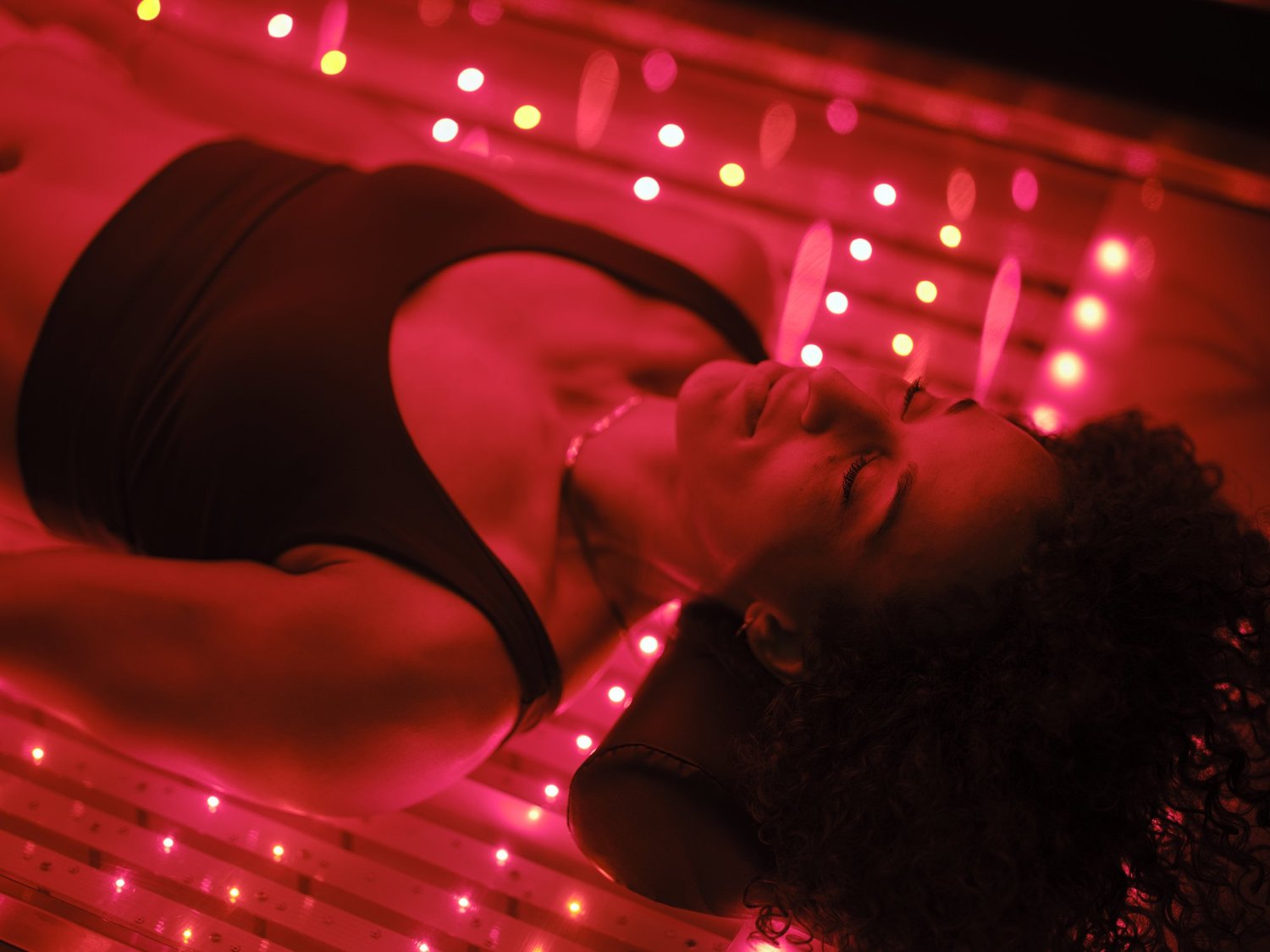
The glowing red panels that now appear in homes and gyms are the latest stage in a longer story — one that runs from early laboratory lasers to space-program research and finally to the inexpensive light-emitting diodes (LEDs) of today. Understanding how red light therapy devices evolved helps explain why the field talks the way it does, why the terminology shifted, and why modern consumer devices look so different from their predecessors. This article traces the history of red light therapy in factual, measured terms, explaining how the technology evolved from early lasers to today’s consumer LED devices.
The throughline is technology. As the tools for producing controlled light changed, so did how the therapy was delivered, who could access it, and how researchers described what they were doing. The science of light affecting cells stayed broadly consistent; the hardware and vocabulary around it did not. Understanding the history of red light therapy also helps explain why today’s devices and terminology look so different from those used decades ago.
The Early History of Red Light Therapy: Lasers and Low-Level Laser Therapy
For much of its history, therapeutic light research relied on lasers. The practice was commonly called low-level laser therapy (LLLT), reflecting the use of low-intensity laser light intended to stimulate rather than cut or burn tissue. Lasers offered tightly controlled, single-wavelength beams, which made them attractive for careful study, but they were also relatively expensive, specialized, and largely confined to clinical and research settings. This period remains an important chapter in the history of red light therapy because it established many of the research methods still referenced today.
This early framing shaped expectations. Because lasers were the dominant tool, the therapy was understood through a laser-centric lens, and much of the foundational research used laser sources. That history is part of why older literature and some clinicians still reference lasers even though the consumer landscape has moved elsewhere.
History of Red Light Therapy: NASA and the LED Turning Point
A pivotal chapter involves research connected to NASA. Investigators studied LED-based light — originally explored in the context of plant growth experiments in space — for its potential effects on biological tissue. Work by Whelan and colleagues examined LED irradiation in the context of wound healing, helping demonstrate that light-emitting diodes, not just lasers, could be used to deliver therapeutic wavelengths.
This mattered enormously for the trajectory of the field. LEDs are smaller, cheaper, more durable, and easier to arrange into arrays covering larger surfaces than laser systems. By showing that LEDs could plausibly deliver the wavelengths of interest, this line of research helped open a path toward devices that did not depend on costly laser hardware — a prerequisite for the eventual move into consumer products.
Many people consider this one of the most significant milestones in the history of red light therapy because it helped pave the way for affordable consumer devices.

History of Red Light Therapy: From Lasers to LEDs
As LED technology matured, it increasingly displaced lasers in many applications, particularly outside specialized clinics. Researchers have directly examined the question of lasers versus light-emitting diodes, exploring whether the two light sources produce comparable effects. The broad takeaway from this line of inquiry is that LEDs became a viable and practical means of delivering photobiomodulation, even as debate continued about the nuances of how laser and LED light compare.
The practical consequences were significant. LEDs allowed manufacturers to build everything from small handheld units to large full-body panels at accessible price points. They generate less heat per unit of light than many alternatives, can be combined in arrays of multiple wavelengths, and lend themselves to the kind of mass production that puts devices within reach of ordinary consumers. In short, the shift from lasers to LEDs is much of the reason red light therapy left the clinic at all.
History of Red Light Therapy: Why the Term “Photobiomodulation” Emerged
Language evolved alongside the hardware. As LEDs became common, the older name “low-level laser therapy” no longer described the typical device, since many no longer used lasers. The phrase “low-level” was also vague and hard to define precisely. The field gradually adopted “photobiomodulation” (PBM), which more accurately captures the core idea: using light to modulate, or fine-tune, biological activity rather than simply heating or destroying tissue.
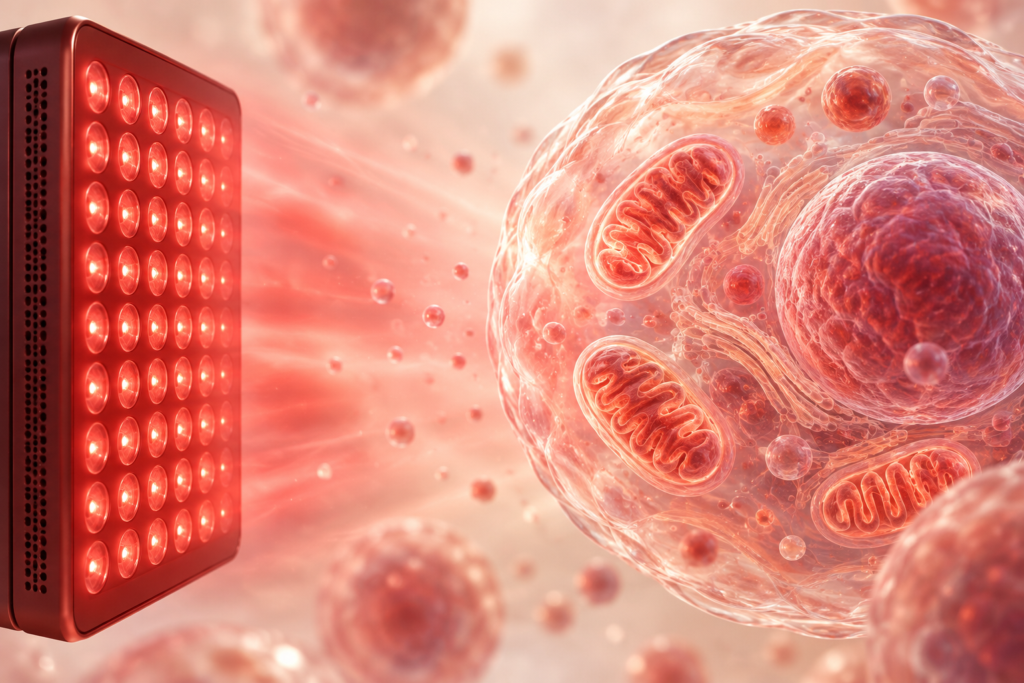
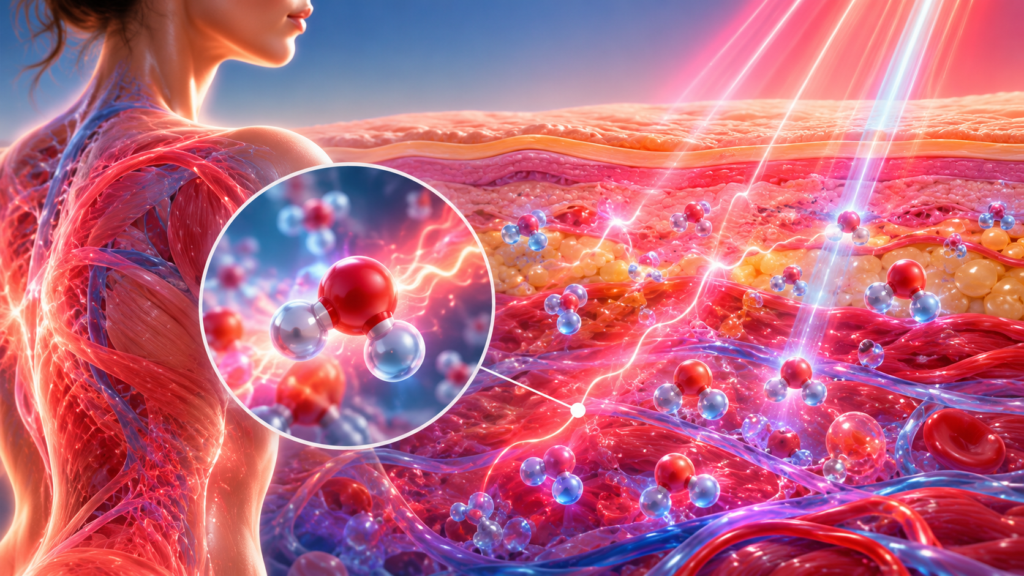
This was more than a cosmetic rebrand. The new term reflected a growing consensus that the underlying biological effect — light absorbed by cellular targets, influencing energy production and signaling — could be triggered by both lasers and LEDs. Reviews of the mechanism, including work by Michael Hamblin, describe this process in terms of mitochondrial absorption and redox signaling, a framework that applies regardless of whether the light comes from a laser or a diode. The vocabulary, in other words, caught up with the science and the technology at once.
How the History of Red Light Therapy Changed Consumer Access
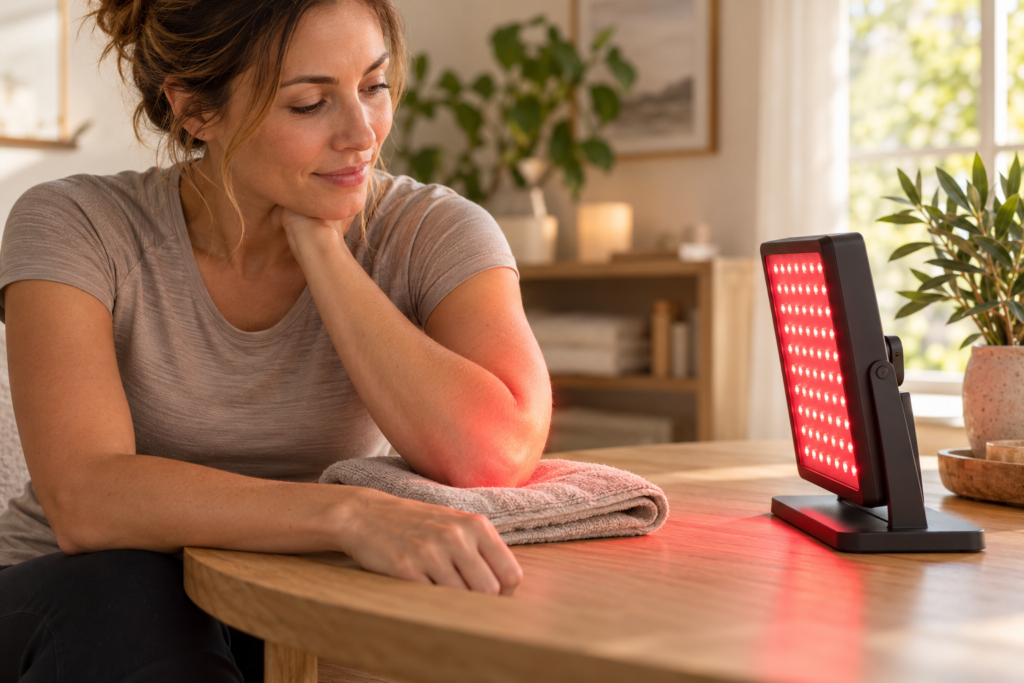
For everyday users, the cumulative effect of these shifts is a marketplace that would have been unrecognizable in the early laser era. Devices are now widely available in many formats, at a wide range of prices, designed for self-use without specialized training. Multi-wavelength panels combining red and near-infrared LEDs are common, reflecting the understanding that different wavelengths reach different depths.
This accessibility is a genuine benefit, but it also transfers responsibility to the consumer. Without a clinician selecting and operating the device, individuals must evaluate specifications, follow dosing guidance, and maintain realistic expectations on their own. The history is encouraging — a technology becoming more available — but it does not change the fact that the clinical evidence for many uses remains uneven and still developing, a point reputable sources continue to emphasize.

A Measured View of the History of Red Light Therapy
It is tempting to read this history as a simple story of progress, but a measured view is more accurate. The evolution from lasers to LEDs dramatically improved access and affordability, and the shift to the term photobiomodulation improved descriptive accuracy. Neither development, however, settled the central scientific questions about which uses are reliably supported, what doses are optimal, and how best to standardize devices and protocols. Better, cheaper hardware made red light therapy widespread; it did not, on its own, make every marketed claim true.
Seen this way, the device history and the evidence story run on parallel tracks. The hardware has advanced quickly and impressively. The clinical evidence has advanced more slowly and unevenly. Holding both facts together is the most honest way to appreciate how far the technology has come without overstating what it has proven.
How the History of Red Light Therapy Informs Today’s Choices
Understanding this evolution is not merely academic; it helps a modern consumer make sense of the market. Knowing that the field began with single-wavelength lasers explains why specifications like wavelength remain central to how devices are described and compared. Knowing that LEDs enabled large, multi-wavelength arrays explains why so many panels now combine red and near-infrared light in one unit. And knowing that the term photobiomodulation reflects a mechanism shared by lasers and LEDs explains why a quality LED device can be taken seriously rather than dismissed as a lesser substitute for a laser.
The history also offers a healthy dose of humility. Each technological leap was accompanied by enthusiasm that sometimes outpaced the evidence, and that pattern persists. A consumer who appreciates how the tools evolved is better positioned to value transparency about wavelength, output, and dose — the very details that connect a modern device back to the science — rather than being swayed by novelty alone. In that sense, the past is a practical guide to reading the present marketplace with clearer eyes.
The Bottom Line
The history of red light therapy shows how specialized laser-based treatments evolved into accessible LED devices, while the science and terminology developed alongside the technology. The term photobiomodulation emerged to reflect that both lasers and LEDs trigger the same underlying cellular process. This evolution greatly expanded consumer access, but it did not resolve the still-developing evidence about which uses are reliably supported — a distinction worth keeping in mind.
Ready to get your red light therapy device? Check out our brand and product reviews to help inform your decision on which device to get. You can also play around with our product comparison shopping tool.
Frequently Asked Questions
Did red light therapy start with LEDs?
No. The history of red light therapy began with low-intensity lasers before LEDs became widely used and expanded consumer access.
What role did NASA play?
Research connected to NASA examined LED-based light, originally explored for plant growth in space, and studies such as work by Whelan and colleagues looked at LED irradiation in wound healing, helping show LEDs could deliver therapeutic wavelengths.
Why did devices switch from lasers to LEDs?
One of the biggest developments in the history of red light therapy was the transition from lasers to LEDs because LEDs are smaller, less expensive, and easier to manufacture in larger arrays. As research showed they could deliver the relevant wavelengths, they became a practical basis for consumer devices.
Why is it now called photobiomodulation instead of laser therapy?
Because many modern devices use LEDs rather than lasers, and ‘low-level’ was vague. ‘Photobiomodulation’ better describes using light to modulate biological activity, an effect triggered by both lasers and LEDs.
Does newer technology mean red light therapy is now proven?
No. Better, cheaper hardware improved access, but did not settle which uses are reliably supported. The clinical evidence for many uses remains uneven and still developing.
This article is for general educational purposes only and is not medical advice. Red light therapy is not a substitute for professional care. Talk with a qualified healthcare professional about your individual situation.