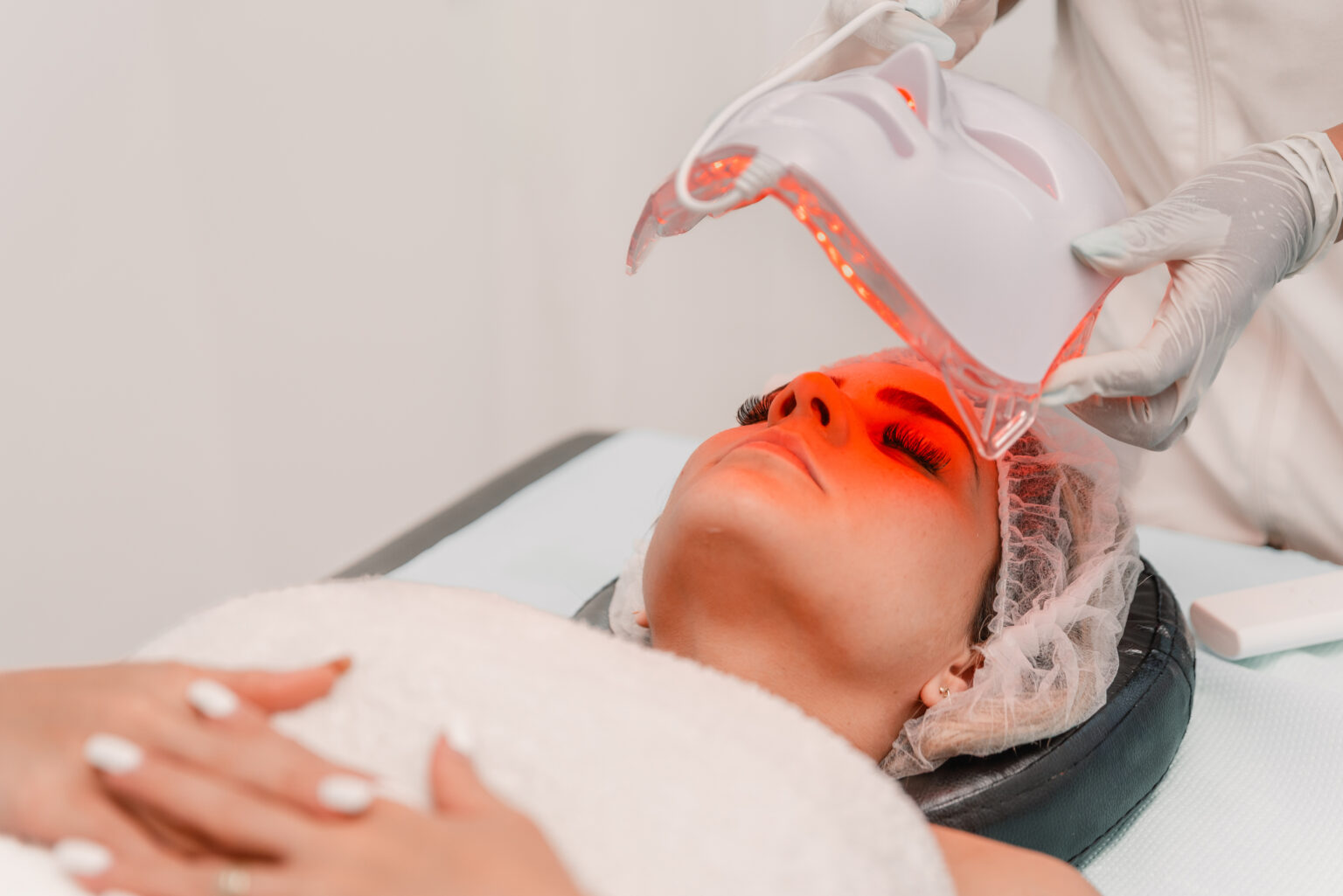
Red light therapy is no longer confined to dermatology offices or research labs. Today you will find it offered as a service in medical and aesthetic clinics, woven into spa menus, and installed in the recovery corners of gyms and athletic facilities. For consumers, this raises practical questions: what do these professional settings actually offer, how do they differ from a home device, and what should you reasonably expect from a session?
This article explores red light therapy clinics and spas, how professional settings differ from home devices, the role of trained providers, and how to interpret the evidence without sliding into hype or dismissal. Understanding how red light therapy clinics and spas operate can help you decide whether a professional session fits your goals and expectations.
Where You’ll Find Red Light Therapy Clinics and Spas
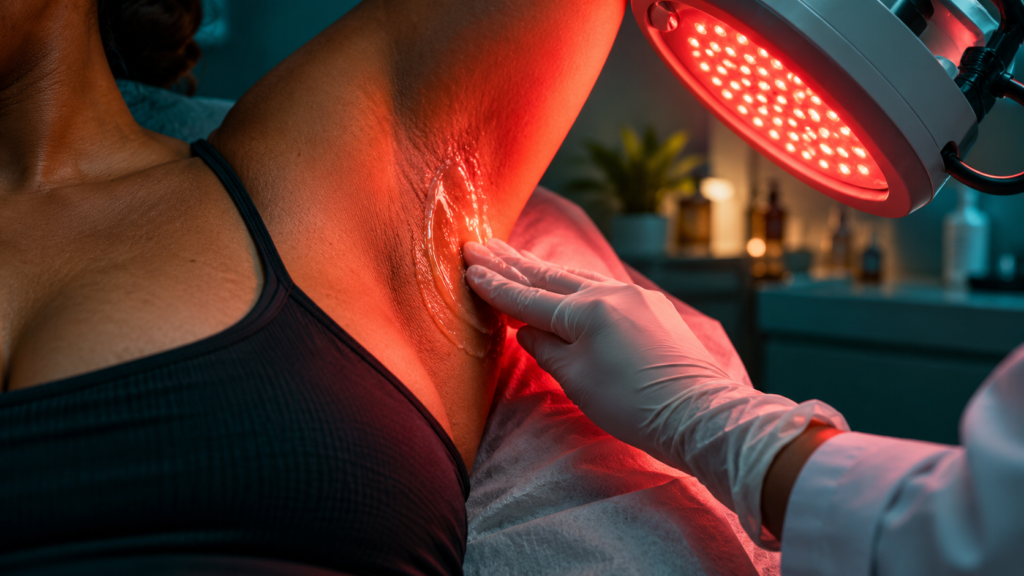
Professional use spans a spectrum. In medical and aesthetic clinics, light-based devices are sometimes incorporated into skin-focused services by trained staff. In spas and wellness studios, red light is often presented as a relaxing, appearance-oriented add-on, sometimes in dedicated rooms or as part of a broader menu. In gyms and athletic facilities, full-body panels or beds are frequently positioned as a recovery amenity that members can use before or after training.
Red light therapy clinics and spas often serve different purposes, so it’s helpful to understand how each setting approaches treatment and wellness.
These settings overlap but are not identical. A medical clinic operates in a different context from a gym recovery corner, and the qualifications of the people involved, as well as the goals being addressed, can differ considerably.
What Red Light Therapy Clinics and Spas Tend to Offer
Larger, Higher-Output Equipment
One practical difference is scale. Professional settings often house larger panels, full-body beds, or higher-output systems that would be impractical at home. This can mean broader coverage in a single session and, in some cases, more consistent output, since commercial equipment is built for repeated use.
Guided, Structured Sessions
Professional environments also tend to provide structure: a set distance, a timed session, and staff who position the device and explain the process. For newcomers unsure how to use light therapy, that guidance can reduce guesswork around distance and dose, which research suggests matters because the dose response is biphasic — a moderate amount tends to be most useful, while too much can be counterproductive.
A Maintained Environment
Reputable facilities maintain their equipment, clean shared surfaces, and may offer eye protection. These are not trivial details; consistent, well-kept equipment is part of what makes a session’s dose meaningful and the experience comfortable.
Red Light Therapy Clinics and Spas vs. Home Devices
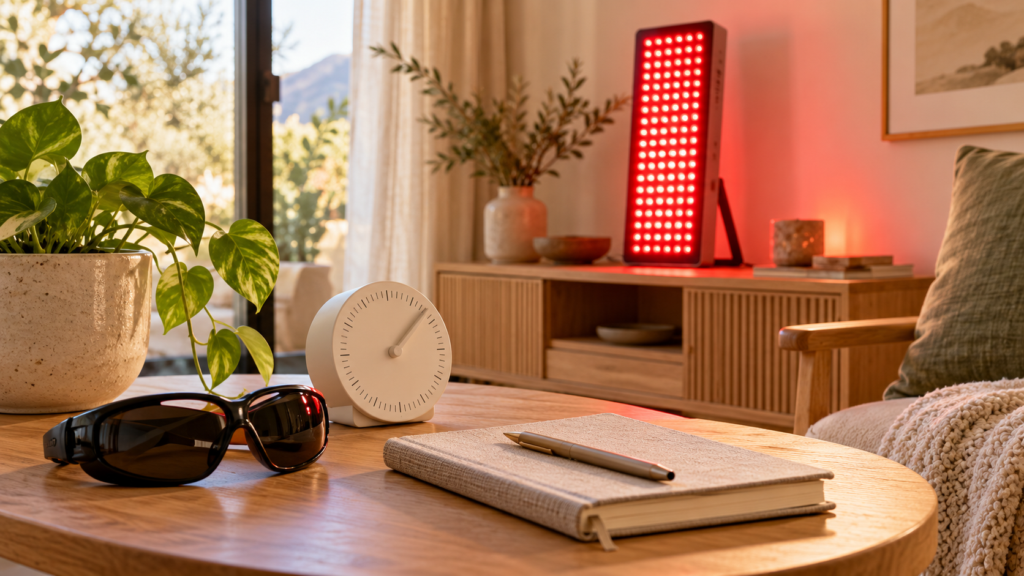
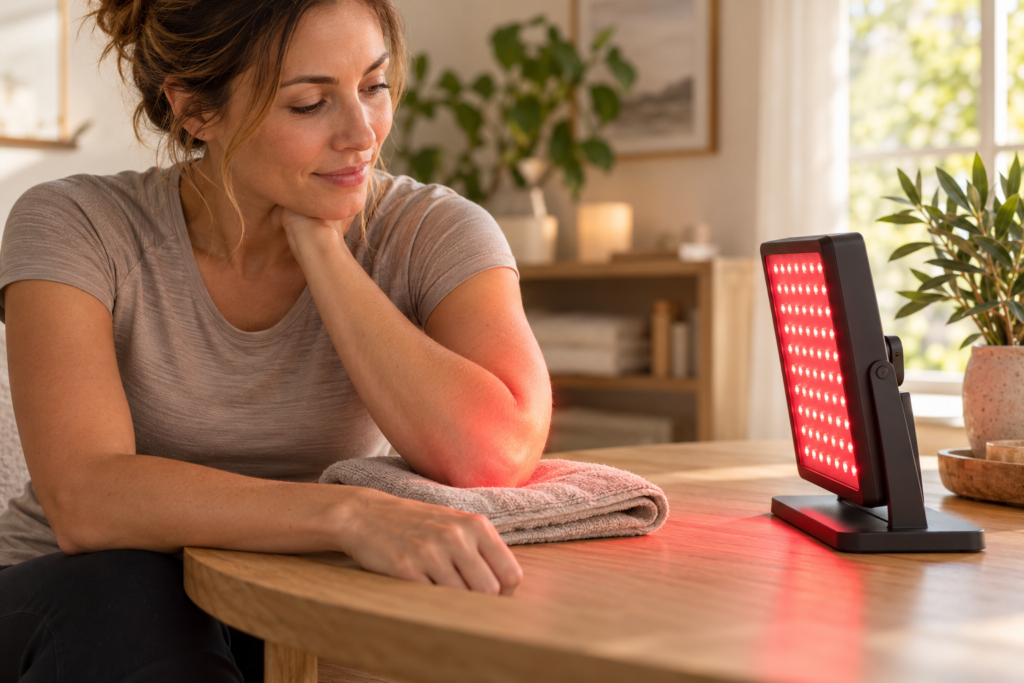
It would be misleading to suggest professional settings are automatically superior. Home devices have improved substantially and can be used as often as you like, with no appointments or recurring fees. Consistency over weeks — which the research repeatedly emphasizes — is often easier to achieve at home simply because the device is always available.
Professional settings, by contrast, can offer scale, guidance, and equipment you would not buy for personal use. The honest takeaway is that neither is inherently better; they serve different needs. Someone seeking occasional broad coverage, expert setup, or a relaxing experience may value a professional session, while someone prioritizing frequency and cost-efficiency may prefer a home device. Many people reasonably use both.
Why Trained Providers Matter in Red Light Therapy Clinics and Spas
The presence of a knowledgeable provider is one of the more meaningful distinctions, particularly in medical or aesthetic contexts. The World Association for Photobiomodulation Therapy (WALT) is an example of a professional body in this field, reflecting a community of practitioners and researchers working to advance and standardize the practice. The existence of such organizations underscores that, in clinical contexts, training and consistent protocols are taken seriously.
A good provider can help match a modality to a goal, set sensible expectations, and recognize when light therapy is not appropriate or when a concern warrants medical attention. That said, the qualifications of staff vary widely across settings — a licensed clinician in a medical office is different from an attendant in a gym recovery room. It is entirely reasonable to ask who is operating the equipment and what their training is.
What the Evidence Says About Red Light Therapy Clinics and Spas
Across both professional and home use, the evidence picture is the same: encouraging in places, but still developing. An umbrella review examining the effects of photobiomodulation on multiple health outcomes — a high-level look that pools together randomized clinical trials — reflects active research interest while also highlighting the variability and limitations across studies. Reviews of this kind consistently emphasize that more rigorous, standardized research is needed before strong, specific claims can be made.
In practical terms, that means a professional setting can offer a well-equipped, well-guided experience, but it cannot convert promising-but-mixed evidence into a guarantee. A clinic, spa, or gym session may support goals like skin appearance or recovery for some people; it is not a proven cure for any condition, and the setting alone does not change what the science supports.
Cautions and Realistic Framing
A few cautions help keep professional services in perspective. Be wary of any facility that promises to cure, treat, or eliminate medical conditions, or that uses regulatory terms loosely; measured language is a better sign than dramatic claims. Recognize that a single session is unlikely to be transformative, since the research that reports benefits typically involves consistent use over weeks.
And remember that a relaxing, premium environment can feel impressive without that feeling being evidence of a larger effect. Even the best red light therapy clinics and spas cannot promise results beyond what current research supports.
Most importantly, red light therapy in any setting is a wellness modality, not a replacement for medical care. Anyone who is pregnant, takes photosensitizing medication, or has a relevant medical or eye condition should consult a healthcare professional before using these services, and persistent or serious health concerns belong with a qualified clinician rather than a spa menu.
How Red Light Therapy Clinics and Spas Complement Home Use
Rather than framing professional settings and home devices as competitors, many people find they complement each other. A clinic or studio session can be a useful starting point: a chance to experience the modality, learn a sensible distance and session length from staff, and ask questions before committing to a purchase.
Once someone understands how to use light therapy and what to expect, a home device can make the consistency that research emphasizes far easier to sustain between visits. Conversely, someone who primarily uses a home device might occasionally value a professional setting for broader coverage or a more guided experience. The point is that these options are not mutually exclusive, and the best choice depends on individual goals, budget, and how much guidance a person wants.
How to Evaluate Red Light Therapy Clinics and Spas
A polished, comfortable environment is part of what people pay for in spas and premium studios, and there is nothing wrong with enjoying it. The caution is simply not to confuse ambiance with efficacy. A beautifully designed room, soothing music, and attentive service can make a session feel more impactful than the light itself warrants. The umbrella review of photobiomodulation’s effects across many trials is a useful reminder that the evidence — not the setting — determines what red light therapy can plausibly support, and that this evidence remains variable and in need of stronger study. Approaching a luxurious experience with that perspective lets you appreciate the comfort without overestimating the outcome.
Questions to Ask Red Light Therapy Clinics and Spas
Before booking, a few questions can help you choose well. What devices does the facility use, and what wavelengths and outputs do they provide? Who operates the equipment, and what is their training? How long is a session, and how often is it recommended? Is eye protection available? And does the staff describe benefits in measured terms or make sweeping promises? Facilities that answer clearly and honestly tend to be more trustworthy than those that lean on atmosphere and bold claims.
The Bottom Line
Red light therapy clinics and spas have made professional light therapy more accessible by offering larger equipment, structured sessions, and trained providers in many settings. These settings can add real value through scale and guidance, but they are not automatically superior to consistent home use, and the underlying evidence — encouraging yet still maturing — applies everywhere. Choose based on your goals, ask informed questions, keep expectations realistic, and treat professional red light therapy as a complement to, never a substitute for, medical care.
Ready to get your red light therapy device? See our brand and product reviews, and try out our product comparison tool to inform your decision.
Frequently Asked Questions
Is a professional red light therapy session better than using a device at home?
Not automatically. Professional settings can offer larger equipment, guidance, and trained staff, while home devices allow frequent, low-cost use. Since consistency matters, neither is inherently superior; they suit different needs.
What do red light therapy clinics and spas typically offer?
Red light therapy clinics and spas often provide larger panels or full-body systems, structured sessions, maintained equipment, and, in medical settings, trained providers.
Does a professional setting make red light therapy more effective?
Red light therapy clinics and spas do not change what the science supports. Evidence remains encouraging but mixed, regardless of where treatment takes place.
Why does the provider’s training matter?
A knowledgeable provider can match a modality to your goal, set realistic expectations, and recognize when light therapy is not appropriate. Staff qualifications vary widely, so it is reasonable to ask who operates the equipment and what their training is.
Can red light therapy at a clinic replace medical treatment?
No. In any setting it is a wellness modality, not a replacement for medical care. Anyone pregnant, taking photosensitizing medication, or with a relevant condition should consult a healthcare professional, and serious concerns belong with a clinician.
This article is for general educational purposes only and is not medical advice. Red light therapy is not a substitute for professional care. Talk with a qualified healthcare professional about your individual situation.