Smooth, even-looking skin is a common goal, and red light therapy is often marketed as a way to refine tone and texture. As with most skincare claims, the reality is more modest and more interesting than the advertising.
This article looks carefully at red light therapy skin tone improvements and texture: what studies actually measure, why expectations should stay realistic, the limitations of the evidence, and how to use it safely.
The careful summary is that red and near-infrared light may support the look of smoother texture and a more even-appearing tone for some people, gradually and subtly.
It is not a guaranteed fix, and it does not treat medical conditions that affect the skin’s appearance. Understanding what red light therapy skin tone research actually shows can help set realistic expectations.
What “Tone” and “Texture” Actually Mean
It helps to define terms. Skin tone usually refers to the evenness of color across the skin — how uniform it looks, without patches of redness or discoloration. Skin texture refers to the surface feel and appearance: whether it looks smooth or rough, and the visibility of fine lines and small irregularities.
Both are influenced by collagen, hydration, sun exposure, age, and overall skin health. Because these are appearance-related qualities, they are the kind of outcome where light therapy is most plausibly relevant — as support for how skin looks, not as a treatment for disease.
What Studies Measure About Red Light Therapy Skin Tone
Research in this area often uses measures tied to appearance. The controlled trial by Wunsch and Matuschka, frequently cited in discussions of skin rejuvenation, reported improvements in measures including skin roughness in groups treated with red and near-infrared light, along with changes associated with collagen density. Improvement in measured roughness is one of the more concrete signals relevant to texture.
Broader reviews add context. A review of low-level laser (light) therapy in skin discusses light’s potential to support skin quality and repair through effects on fibroblasts and related processes, and a review of phototherapy with light-emitting diodes describes LED red and near-infrared light being explored for skin rejuvenation and appearance goals.
Cleveland Clinic similarly describes red light therapy as a practice used to support skin appearance, framed cautiously. Together, these sources suggest red light may support the look of smoother texture and more even tone, while underscoring that the evidence for red light therapy skin tone improvements is encouraging but still developing.
How It Might Help the Skin’s Surface
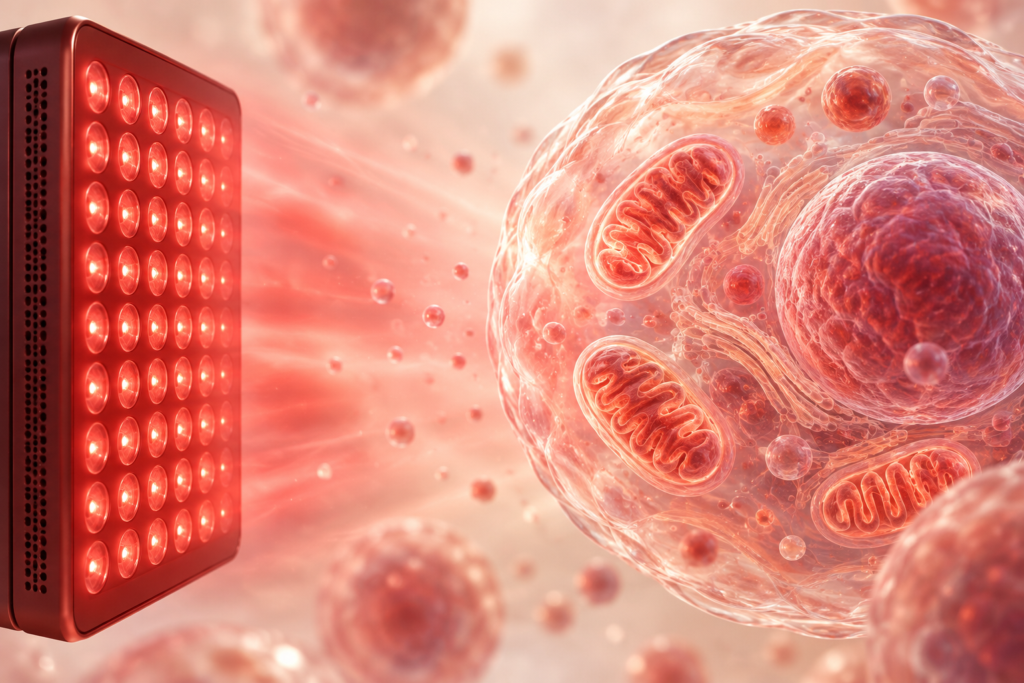
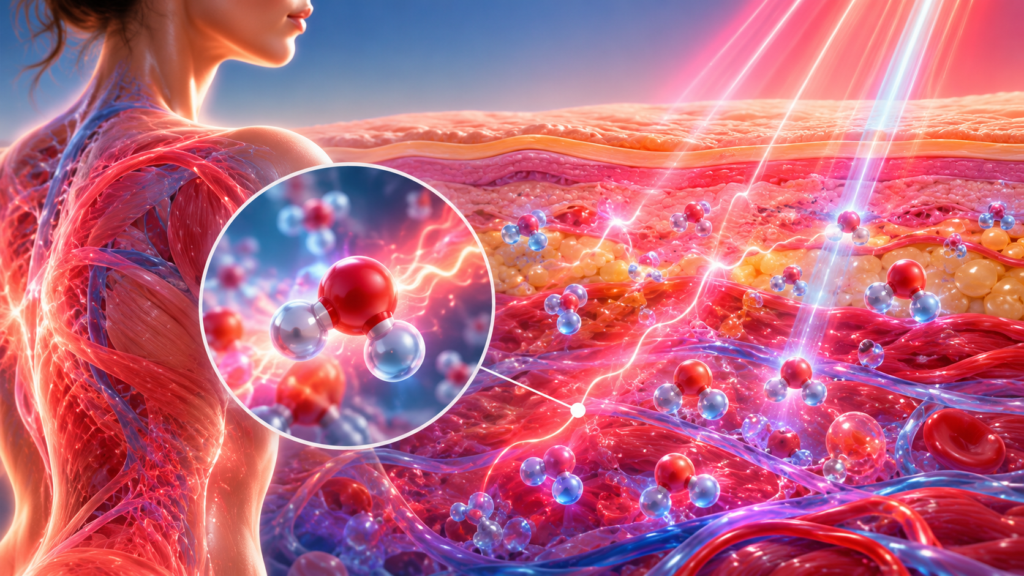
The proposed mechanism connects to the same cellular story behind other skin goals. Red and near-infrared light may stimulate fibroblasts and support collagen-related activity and repair signaling, which in turn could influence how smooth and even the skin looks over time.
Because collagen and orderly skin renewal contribute to texture and tone, supporting those processes is the plausible route by which light might help appearance. As always, “may” is the operative word: the mechanism is reasonable, but reliable, visible results for any individual are not guaranteed.
Red Light Therapy Skin Tone: Why Expectations Should Stay Modest
Several realities keep tone-and-texture claims grounded. Studies that report benefits typically involve weeks of consistent use, and the changes are usually modest improvements in appearance rather than dramatic resurfacing.
Measured roughness in a trial is not the same as a visibly flawless complexion. Many studies are small and use different devices and settings, so results are hard to predict for any one person, and responses vary widely.
It is also worth remembering that uneven tone and texture can have many causes, some of which respond better to other approaches — including sun protection, which strongly influences both.
Red light therapy is best viewed as one supportive habit, not a stand-alone solution, and following device guidance on time and distance matters because more light is not automatically better.
Limitations and What It Won’t Do
Red light therapy skin tone improvements should not be confused with treatment for medical skin conditions. Red light therapy is not a medical treatment for conditions that affect skin tone or texture, such as melasma, persistent hyperpigmentation, scarring, or rashes. It does not erase scars, guarantee an even complexion, or replace professional care. Conflating cosmetic appearance support with medical treatment is a common error in marketing, and keeping the two separate helps set honest expectations.
Safety Considerations
For most healthy adults, red light therapy at consumer doses is generally considered low-risk, with side effects that are typically mild and temporary, such as brief warmth or mild redness.
Protecting the eyes from bright light, following device instructions, and introducing a new device gradually are all sensible practices. People who are pregnant, who are photosensitive, who take medications that increase light sensitivity, or who have a relevant medical or eye condition should consult a healthcare professional first.
If a device irritates your skin, it is reasonable to stop and seek advice.
When to See a Dermatologist
If you have concerns about persistent discoloration, dark patches, rough or scaly areas, scarring, or any new or changing spot, a board-certified dermatologist is the right resource.
A dermatologist can diagnose the cause, recommend evidence-based options, and advise whether light therapy has a reasonable supporting role for your specific goals.
This matters because some pigment and texture changes need targeted medical care, and a few can be signs of conditions that should not be self-treated.
What Else Shapes Tone and Texture
Skin tone and texture are influenced by many factors, several of which carry more weight than any single device. Sun exposure is a major driver of uneven tone and rough texture over time, which is why daily sun protection is one of the most evidence-backed habits for keeping skin looking even and smooth. Hydration affects how plump and smooth the surface appears.
Age gradually changes skin renewal and collagen. Gentle, consistent skincare and avoiding harsh over-exfoliation help maintain a healthy surface, while smoking and poor sleep can work against it. Seen in this light, red light therapy is one modest input among many.
The people most likely to be satisfied are those who keep these fundamentals in place and treat any device as a complement rather than a substitute for them.
Common Misconceptions
A few misconceptions make this topic harder to judge. One is that red light therapy can quickly resurface the skin to a flawless finish; in reality, study results are subtle and measured over weeks, not dramatic resurfacing.
Another is that more or longer sessions must produce smoother skin, when photobiomodulation research points to a moderate dose being preferable and more not being automatically better. A third is treating it as a remedy for medical pigment conditions such as melasma or for scarring, which it is not.
And a fourth is assuming the practice is either fully proven or worthless, when the honest reality is a credible mechanism with encouraging but still-developing evidence. Keeping these points in mind makes it easier to use red light therapy thoughtfully and to recognize when a different approach is warranted.
How to Track Red Light Therapy Skin Tone Results Fairly?
Because changes in tone and texture tend to be gradual and subtle, it is easy to misjudge them. A fair way to evaluate a trial is to keep the rest of your routine stable, use the device consistently as directed for several weeks, and compare honestly over time rather than relying on day-to-day impressions, which are heavily influenced by lighting and mood.
If you notice modest improvement in how smooth or even your skin looks, that is a reasonable outcome; if you notice little, that is also consistent with the variability the research describes. Either way, the absence of dramatic change is expected, not a sign that you are doing something wrong.
Using Red Light Therapy Skin Tone Treatments Sensibly
If you choose to try red light therapy skin tone improvements, a sensible approach is to use a quality device with clearly stated wavelengths on clean, bare skin, be consistent over several weeks, and judge results against realistic expectations. Pairing it with daily sun protection, gentle skincare, and good hydration gives your skin the best foundation, with red light therapy as a complementary habit rather than the centerpiece.
The Bottom Line
Research on red light therapy for skin tone suggests it may support a smoother texture and more even tone, with a controlled trial reporting improvements in measured roughness and reviews offering cautious support.
Expect subtle, gradual changes over weeks rather than a flawless complexion, recognize that results vary, and remember it is not a medical treatment for pigment or texture conditions. Use it safely, protect your eyes, and see a board-certified dermatologist for any persistent or concerning skin change.
Ready to get your red light therapy to improve your skin tone? Check out our brand and product reviews. You can also try our product comparison tool to help inform your decision.
Frequently Asked Questions
Can red light therapy skin tone improve over time?
It may support a more even-looking tone for some people as part of a routine, but results vary, and the effect tends to be subtle. It is not a medical treatment for conditions like melasma or persistent hyperpigmentation.
Does red light therapy improve skin texture?
A controlled trial reported improvements in measured skin roughness with red and near-infrared light, and reviews offer cautious support. Changes are generally modest and gradual, so realistic expectations are important.
How long until I might notice smoother-looking skin?
Many people wonder whether red light therapy skin tone changes are noticeable. Studies that report benefits usually involve several weeks of consistent use. Improvements tend to be subtle and gradual, so patience and regular sessions matter more than any single session.
Will red light therapy remove scars or dark spots?
No. Red light therapy does not erase scars or guarantee an even complexion, and it is not a medical treatment for pigment conditions. Persistent discoloration or scarring should be assessed by a dermatologist.
Is red light therapy safe to use regularly on the skin?
For most healthy adults at consumer doses, it is generally considered low-risk, with mild, temporary side effects. Protect the eyes, follow device guidance, and consult a professional if you are pregnant, photosensitive, or on photosensitizing medication.
This article is for general educational purposes only and is not medical advice. Red light therapy is not a substitute for professional care. Talk with a qualified healthcare professional about your individual situation.