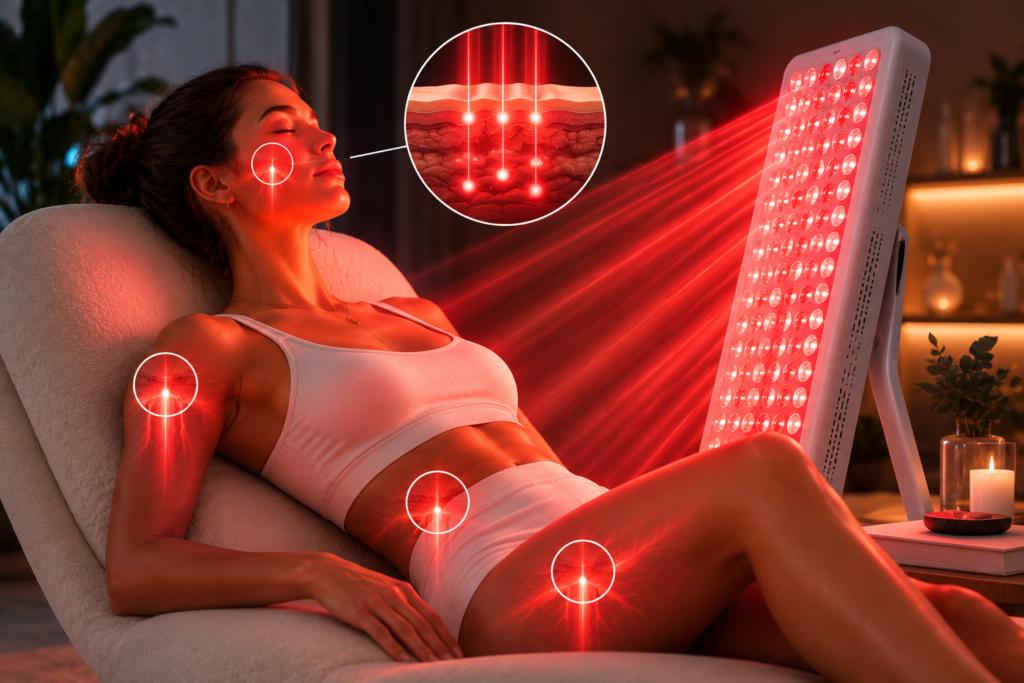
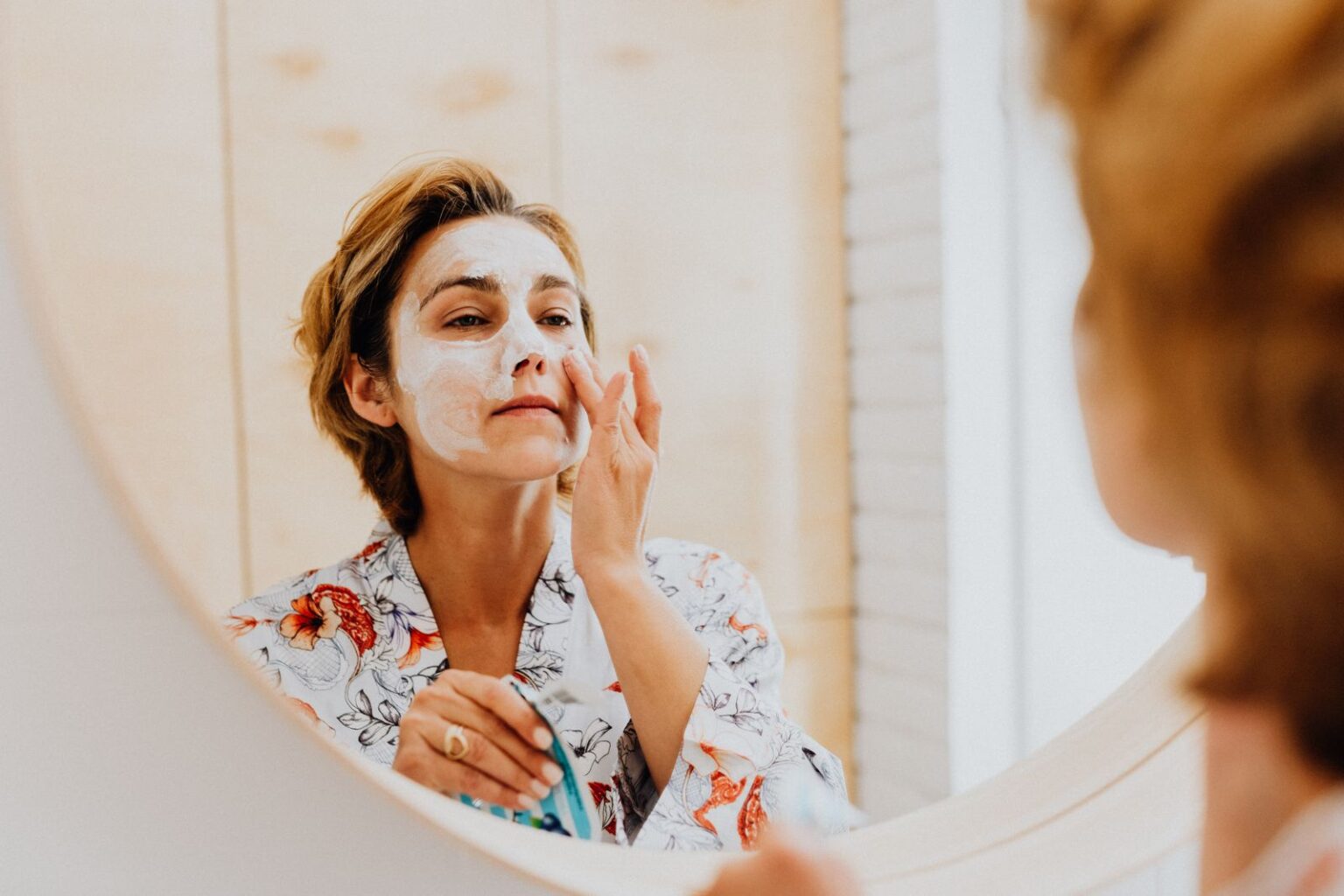
Skin changes throughout life, and so do the questions people ask about caring for it. Someone in their twenties may wonder whether it is too early to think about prevention, while someone in their fifties may wonder whether it is too late to make a difference. Red light therapy is often marketed to every age group at once, which can make it hard to know where it actually fits. This guide explores red light therapy by age, explaining how skin needs change over the decades and where red light therapy may fit as a supportive habit.
Before going further, it helps to set the frame. The National Institute on Aging notes that skin changes are a natural part of growing older, influenced by genetics, sun exposure, and lifestyle. No product or device stops that process. Red light therapy, at most, may support the appearance of skin for some people. It does not reverse aging or erase wrinkles, and results vary from person to person.
Understanding Red Light Therapy by Age
Across the decades, skin gradually produces less collagen, becomes thinner and drier, and shows the cumulative effects of sun exposure as uneven tone, texture changes, and fine lines. The National Institute on Aging emphasizes that much of what people think of as “aging skin” is actually photoaging — damage linked to ultraviolet light over many years. That single insight reshapes the whole conversation: the most powerful skin habit at any age is sun protection, not any particular device.
Researchers studying photobiomodulation have explored whether red and near-infrared light can support skin that shows signs of aging. A review of reversing visible aging signs with red light describes encouraging laboratory and clinical findings, while also underscoring that the evidence is still developing and that responses differ between individuals. With that context, here is how the priorities tend to shift by decade.
Red Light Therapy by Age: Your 20s
In your twenties, skin is generally at its most resilient. Collagen production is still robust, and visible signs of aging are usually minimal. The most valuable work in this decade is not correction but prevention: consistent sunscreen, a gentle routine, not smoking, and sleep. These fundamentals do more for long-term skin than any gadget.
Where might red light therapy fit? For most people in their twenties, it is entirely optional. Some choose to begin a light routine out of interest or for general skin appearance, and at consumer doses it is generally considered low-risk for healthy adults. But it is worth being honest: there is no strong evidence that starting red light therapy young guarantees better skin later. If you enjoy it and use it sensibly, it can be a pleasant addition. If you skip it entirely and protect your skin from the sun, you are still doing the most important thing.
Red Light Therapy by Age: Your 30s
Many people first notice subtle changes in their thirties — a fine line that lingers, slightly less bounce, or uneven tone from earlier sun exposure. This is often when interest in red light therapy grows, because the focus shifts gently from pure prevention toward maintenance.
Some research on photobiomodulation suggests red and near-infrared light may support the appearance of skin texture and tone for some people. A controlled trial by Wunsch and Matuschka found that participants using red light treatments reported improvements in measures related to skin appearance compared with an untreated group. It is a promising signal, but one study with a specific protocol cannot be stretched into a promise for everyone. In your thirties, red light therapy may be a reasonable maintenance habit, used consistently over weeks, alongside — not instead of — sun protection and a moisturizer.
Red Light Therapy by Age: Your 40s
By the forties, the cumulative effects of time and sun are usually more visible: deeper expression lines, drier skin, and more noticeable changes in tone and firmness. Expectations matter enormously here. It can be tempting to hope a device will turn back the clock, but that is not what the evidence supports.
What the research more cautiously suggests is that red light therapy may help support the look of skin — for instance, the appearance of fine lines or overall radiance — for some people who use it consistently. The review on reversing skin aging signs describes measurable changes in some studies while repeatedly noting that more rigorous research is needed and that effects tend to be modest and gradual. In your forties, the sensible framing is “supportive habit with realistic hopes,” not “anti-aging cure.” If specific concerns are bothering you, a dermatologist can offer guidance tailored to your skin.
Red Light Therapy by Age: Your 50s and Beyond
In later decades, skin is typically thinner, drier, and more delicate, and conditions that warrant medical attention become more common. Red light therapy may still appeal as a gentle, low-effort part of a routine, and many people continue to use it for general skin appearance. At consumer doses it remains generally low-risk for healthy adults.
That said, caution rises with age for a practical reason: older adults are more likely to take medications, some of which can increase sensitivity to light, and more likely to have skin conditions that should be evaluated by a professional. Any new, changing, or suspicious spot deserves a dermatologist’s attention, not a home device. Red light therapy is not a treatment for skin disease, and it is never a reason to delay medical care.
What Red Light Therapy by Age Doesn’t Change
It is striking how consistent the core advice is across decades. At twenty or seventy, the fundamentals dominate: protect skin from the sun, keep it moisturized, avoid smoking, sleep well, and see a professional for anything concerning. The National Institute on Aging frames good skin care as a lifelong, low-drama practice built on these basics. Red light therapy, if you choose to use it, sits on top of that foundation as a possible enhancement — not as a substitute for it.
How to Approach Red Light Therapy at Any Age
If you decide to try it, a few principles apply regardless of decade. Follow the device’s guidance on distance and time, since more is not better and research describes a dose beyond which benefits can fade. Be consistent over several weeks rather than expecting an instant change. Keep expectations modest: think “may support appearance,” not “will erase signs of aging.” And check with a healthcare professional first if you are pregnant, take medication that increases light sensitivity, or have a skin or eye condition.
A Note on Marketing by Age Group
Be a little skeptical of messaging that insists you must “start now or fall behind,” or that a device is essential for your particular decade. These are persuasion tactics, not scientific findings. The honest truth is that red light therapy is optional at every age, its evidence is still maturing, and its potential benefits are modest and variable. Choosing it should come from genuine interest, not fear of aging.
The Bottom Line
Skin needs evolve across the decades, shifting from prevention in your twenties toward maintenance and gentle support later on. Red light therapy may fit anywhere along that path as a low-risk, supportive habit for some people, but it does not reverse aging, erase wrinkles, or replace the fundamentals. At every age, sun protection, moisturizing, and professional care for real concerns matter most — with red light therapy, if you enjoy it, as a modest addition layered on top.
Ready to get your red light therapy device? See our brand and product reviews, and try out our product comparison tool to inform your decision.
Frequently Asked Questions
Is there a best age to start red light therapy?
There is no proven ‘right’ age. Some people begin in their twenties or thirties for general skin appearance, but evidence does not show that starting early guarantees better results. It is optional at any age and works best as one habit among many.
Is it ever too late to try red light therapy?
No. Adults at any age may use it for general skin appearance, since it is generally low-risk at consumer doses. Expectations should stay modest, and older adults in particular should check with a professional about medications and any skin concerns first.
Will red light therapy prevent wrinkles if I start young?
There is no strong evidence that it prevents wrinkles or guarantees better skin later. Sun protection is the most important preventive habit at any age. Red light therapy may support skin appearance for some people but offers no guarantees.
Does red light therapy reverse aging?
No. It does not reverse aging or erase wrinkles. Some research suggests it may support the appearance of skin for some people, but effects are typically modest, gradual, and variable, and more research is needed.
Should my routine change as I get older?
The fundamentals stay remarkably consistent: sun protection, moisturizing, and professional care for concerns. Skin does become drier and more delicate with age, so gentler care helps, and any new or changing spot should be seen by a dermatologist.
This article is for general educational purposes only and is not medical advice. Red light therapy is not a substitute for professional care. Talk with a qualified healthcare professional about your individual situation.