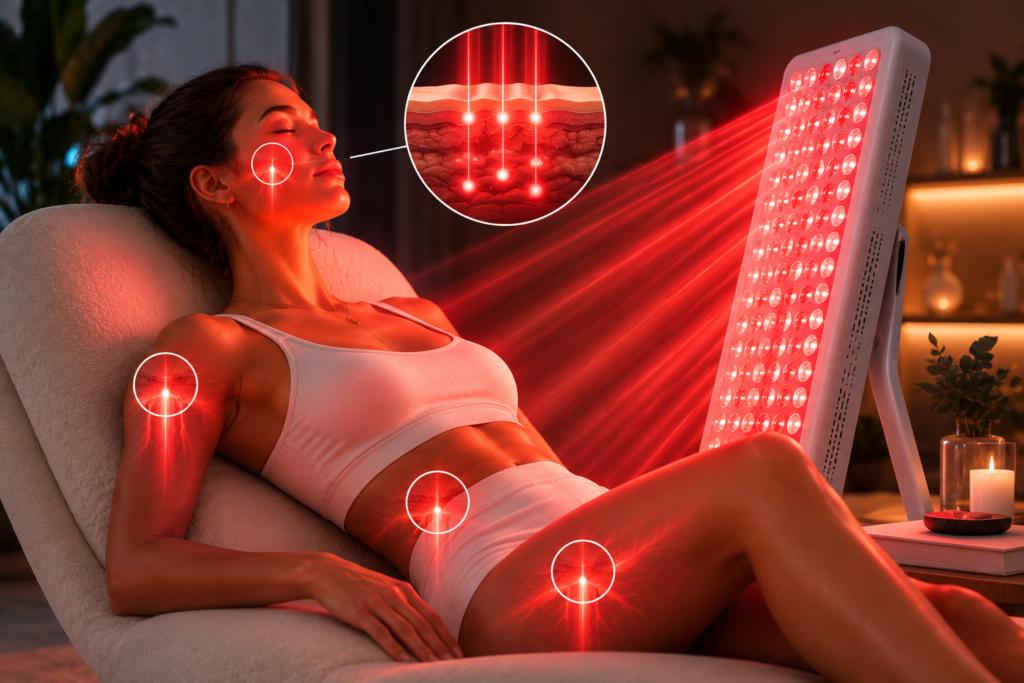
Range of motion — how far a joint can move comfortably through its natural arc — is something many people want to improve, whether to move more easily in daily life, perform better in sport, or simply feel less stiff. As red light therapy has grown popular for muscle and joint goals, a common question follows: can it help you move more freely? This article looks at where red light might fit, while keeping the focus on what actually drives mobility. Studies on red light therapy range of motion have drawn increasing attention from researchers.
The honest headline is that movement-based approaches — structured exercise, stretching, and physical therapy — are the foundation for improving range of motion. Red light therapy, also called photobiomodulation, may have a supporting role as an adjunct for some people, but the evidence is mixed and low-certainty, and it is not a stand-alone way to increase flexibility or a treatment for any joint condition. When examining red light therapy range of motion, it helps to look carefully at the underlying research.
What Range of Motion Depends On
Range of motion is shaped by several things: the health and mobility of the joint itself, the flexibility and tone of the surrounding muscles and connective tissue, comfort levels, and how regularly the joint is moved through its full range. Discomfort and stiffness can limit motion, and consistent, progressive movement is what most reliably expands it over time. [source] The evidence around red light therapy range of motion remains an active area of investigation.
This is why exercise and physical therapy are central. Tools and treatments that people add around movement may help them feel more comfortable doing it, but the movement itself is the active ingredient. Any conversation about red light and range of motion has to start there. For those exploring red light therapy range of motion, setting realistic expectations matters.
Why Light Is Studied Alongside Exercise
Researchers have generally examined photobiomodulation not as a replacement for exercise, but as a possible add-on to it. The reasoning is that if light can support recovery comfort or modestly influence inflammatory signaling, it might make movement and rehabilitation feel a little easier, which could in turn support better participation in the exercises that genuinely improve mobility. [source] Understanding red light therapy range of motion requires separating marketing claims from published data.
This framing matters. The most relevant research does not ask whether shining light on a joint makes it flexible on its own; it asks whether adding light to an exercise program changes outcomes. That is a much more sensible question, and it is how thoughtful studies are designed. Anyone researching red light therapy range of motion will find the science is still developing.

What the Research on Light Plus Exercise Suggests
A systematic review and meta-analysis examining low-level laser therapy combined with exercise therapy for knee osteoarthritis explored whether adding light to an exercise program affected pain and function-related outcomes. Function in such studies often includes elements connected to movement and the ability to use the joint. The reviewers reported some measured effects when light was combined with exercise, while emphasizing variability across trials and the need for higher-quality research. [source] The current state of red light therapy range of motion research points to early, modest findings.
Separately, a systematic review and meta-analysis of randomized controlled trials looking at the efficacy of low-level laser therapy on pain and disability in knee osteoarthritis examined outcomes that relate to how well people can move and function. Here too, findings were mixed, with some trials suggesting benefit and others showing little, and the certainty of evidence described as limited. Interest in red light therapy range of motion has grown alongside broader photobiomodulation research.
The reasonable conclusion is that, in the context of exercise, red light therapy may contribute modestly to comfort and function-related outcomes for some people, but it is not proven to reliably increase range of motion, and it should be seen as a possible adjunct rather than a primary tool. Most published reviews on red light therapy range of motion call for larger, better-controlled trials.
What This Means in Plain Terms
If you are doing the mobility work and want to try red light alongside it, the evidence does not rule that out, and there may be a modest comfort benefit for some. What the evidence does not support is the idea that light alone, without the movement, will make a joint more flexible. Results vary, and more research is needed. A clear-eyed look at red light therapy range of motion means separating anecdote from controlled evidence.
How People Use It as an Adjunct
In practice, those who combine the two typically perform their prescribed or chosen mobility and strengthening exercises as the core of the routine, and use red light therapy separately on the target area following the device’s guidance. Some prefer it as part of a warm-up, others as part of recovery. As with other muscle and joint goals, dose matters: research describes a biphasic response in which a moderate dose may help while too much can reduce the effect, so following recommended distance and time is wiser than overdoing it. Consulting a healthcare provider about red light therapy range of motion is always a sensible step.
General health authorities are clear that regular physical activity supports overall health, including the ability to keep moving well. That foundation does the heavy lifting; light, if used, is a small optional layer on top. Devices marketed for red light therapy range of motion vary widely in power output and wavelength.

Keeping Expectations Realistic
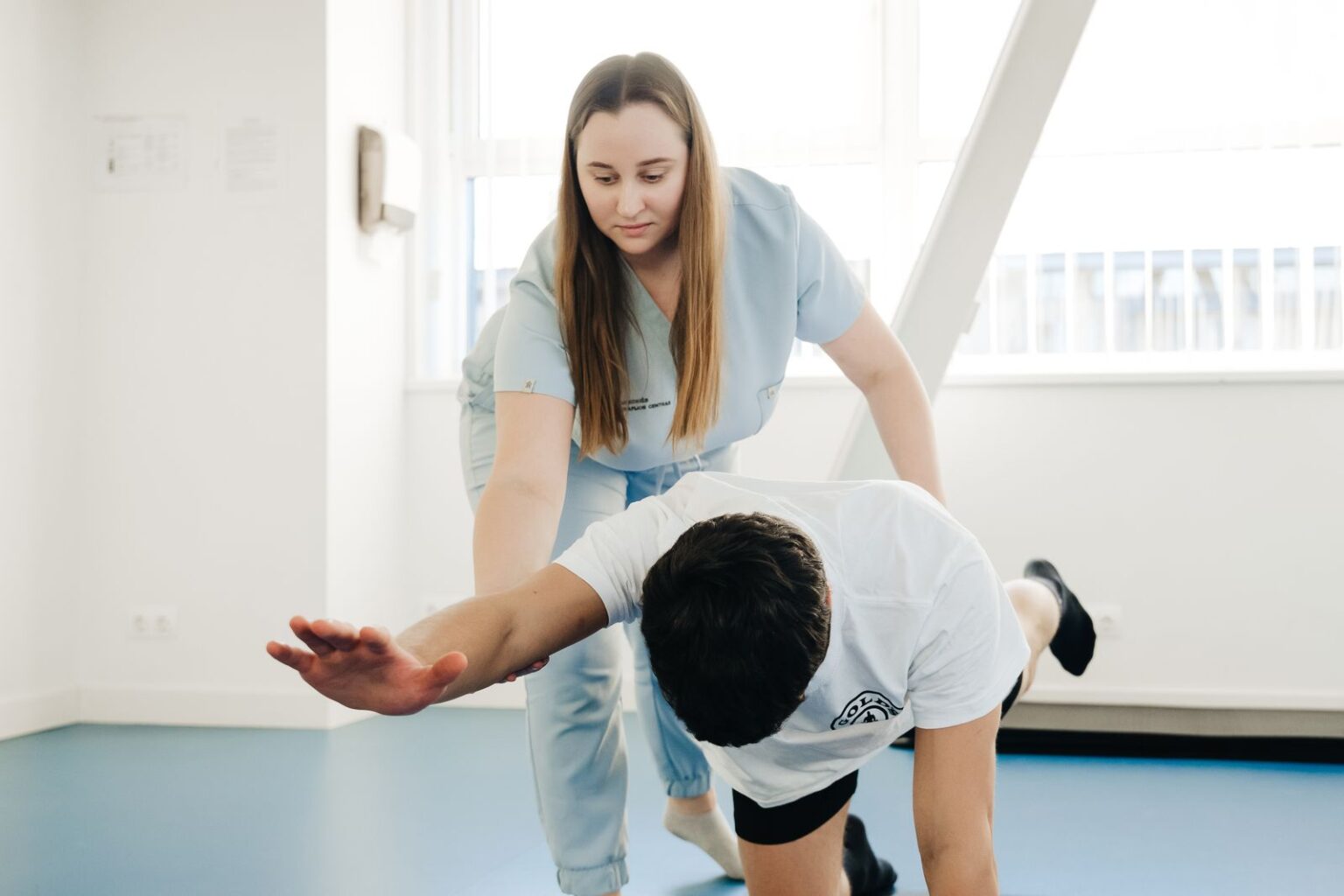
It is worth repeating that red light therapy is not a treatment for arthritis or any joint condition, and it does not cure stiffness or guarantee improved flexibility. The most reliable path to better range of motion is consistent, appropriate movement, ideally guided by a qualified professional such as a physical therapist when a specific limitation or condition is involved. Light may make that work feel a little more comfortable for some people, but it cannot substitute for it. Practitioners field frequent questions about red light therapy range of motion from clients.
Cleveland Clinic describes red light therapy as a low-level light approach that is still being studied for various uses, which is a useful reminder to treat confident marketing claims about flexibility with caution. Studies on red light therapy range of motion have drawn increasing attention from researchers.

When to Involve a Professional
Limited range of motion is sometimes a sign of an underlying issue that deserves proper assessment. If you have a joint that is painful, swollen, locking, giving way, or steadily losing motion, or if stiffness is severe, persistent, or worsening, a healthcare professional can evaluate what is going on and design an appropriate program. Trying to improve a problematic joint with a light device alone could delay helpful care. When examining red light therapy range of motion, it helps to look carefully at the underlying research.
For most healthy adults at consumer doses, red light therapy is generally considered low-risk, with mild and temporary side effects, but it is not a replacement for medical care. Anyone who is pregnant, takes photosensitizing medication, or has a relevant condition should consult a professional before starting, and protecting the eyes from bright light is a sensible precaution.
Habits That Actually Support Better Movement: Red light therapy range of motion Notes
Because the foundation of range of motion is movement itself, it is worth naming the habits that tend to make the biggest difference, with or without any device. Moving each joint through its comfortable range regularly, rather than letting it stay still for long stretches, helps maintain mobility. Building strength in the muscles around a joint supports it through a fuller arc. Warming up before activity and easing into stretches, rather than forcing them, tends to be more productive and more comfortable. And progressing gradually — adding a little range or load over time instead of all at once — respects how tissue adapts.
Against this backdrop, red light therapy is at most a small optional layer. If a person finds that using it makes their mobility work feel slightly more comfortable and therefore easier to keep doing, that is a reasonable, modest benefit. But the gains in range of motion come from the consistent movement, not from the glow. Keeping that order of importance straight is the single most useful thing to remember, and it protects against spending money or hope on a device while neglecting the work that genuinely moves the needle.
The Bottom Line
Range of motion improves mainly through consistent movement, stretching, and, when needed, physical therapy. Red light therapy may serve as a modest adjunct that helps some people feel more comfortable doing that work, but the evidence is mixed and low-certainty, and it is not a stand-alone way to increase flexibility or a treatment for any joint condition. Keep movement at the center, mind the dose, and see a healthcare professional for any joint that is painful, swelling, or losing motion.
Frequently Asked Questions
Can red light therapy improve my range of motion on its own?
No. Range of motion improves mainly through consistent movement, stretching, and physical therapy. Red light therapy may act as a modest adjunct for comfort in some people, but it is not a stand-alone way to increase flexibility.
Why is red light usually studied together with exercise?
Because researchers examine it as a possible add-on rather than a replacement for movement. The most relevant studies ask whether adding light to an exercise program changes outcomes, since exercise is the active ingredient for mobility.
Does the evidence show red light reliably increases flexibility?
No. Findings are mixed and the certainty of evidence is limited. Some trials suggest modest benefit when light is combined with exercise, while others show little. Results vary and more research is needed.
Is red light therapy a treatment for arthritis or joint conditions?
No. It is not a treatment or cure for arthritis or any joint condition. Painful, swollen, locking, or worsening joints should be evaluated by a healthcare professional rather than managed with a light device alone.
How should I use red light therapy if I want to support mobility?
Keep mobility and strengthening exercises as the core of your routine and use red light separately on the target area following the device’s guidance. Mind the dose, since more light is not better, and be patient over several weeks.
Ready to get your red light therapy device? See our brand reviews and product reviews, and try out our product comparison tool to inform your decision.