Joint stiffness is one of the most common experiences people report as they get older. Knees that feel tight after sitting, hands that are slow to loosen in the morning, hips that take a few minutes to ease into a walk — these sensations are familiar to many. With red light therapy widely marketed for joint comfort, it is natural for older adults to wonder whether it could help. This article approaches that question carefully, because health decisions later in life deserve a measured, honest discussion. Studies on red light therapy joint stiffness have drawn increasing attention from researchers.
The central message is straightforward: regular movement and exercise are the foundation for managing joint stiffness, and they have strong support from health authorities. Red light therapy, also called photobiomodulation, may be explored by some people as an adjunct, but the evidence is mixed and low-certainty, clinical guidelines do not recommend it as a stand-alone approach, and anyone with ongoing joint concerns should speak with a healthcare professional. When examining red light therapy joint stiffness, it helps to look carefully at the underlying research.
Why Movement Comes First
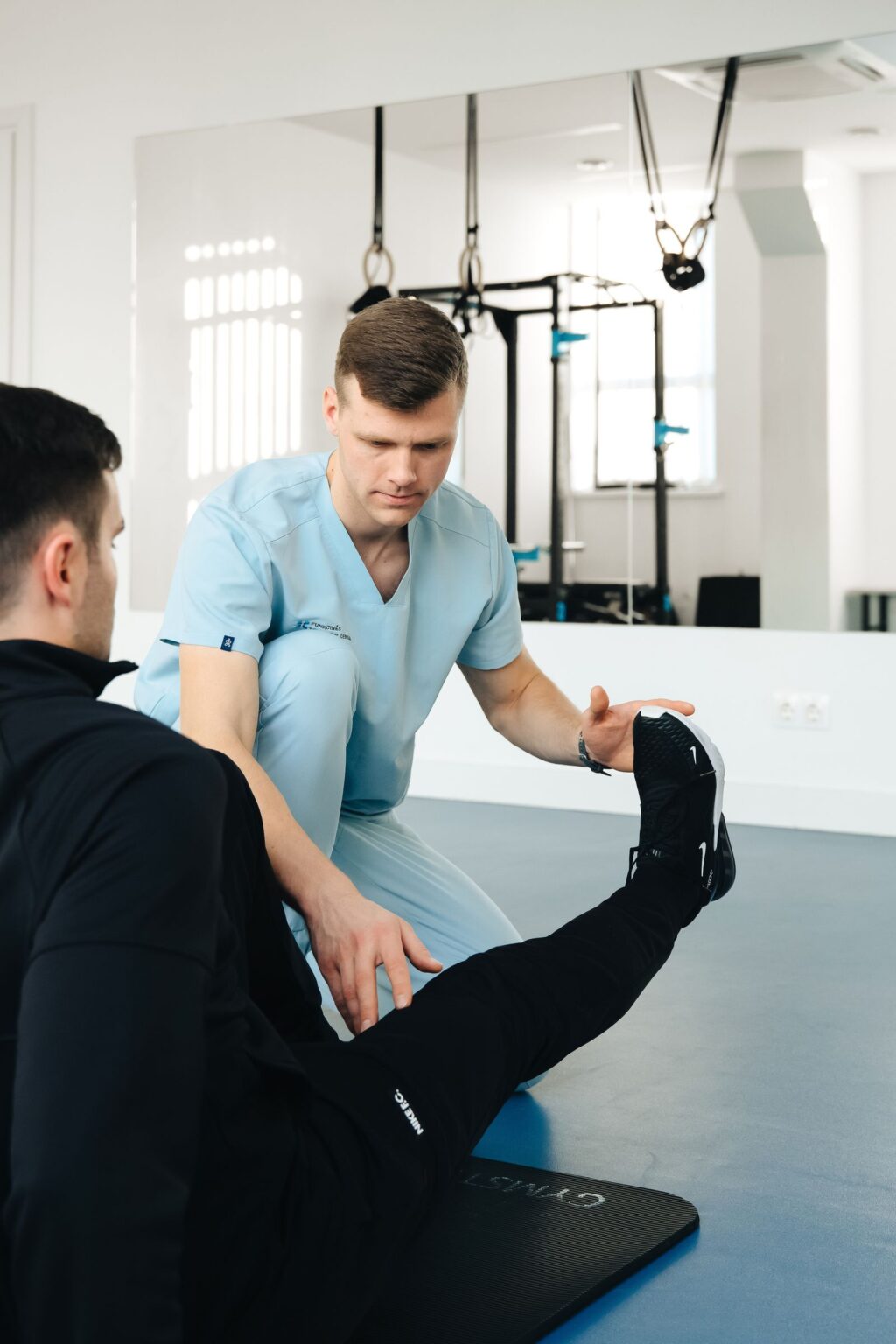
It can feel counterintuitive, but moving stiff joints is usually better for them than resting them. The National Institute on Aging notes that regular physical activity offers wide-ranging health benefits for older adults, including supporting strength, balance, and the ability to keep doing everyday activities. Gentle, consistent movement helps joints stay mobile and muscles stay supportive, which can ease the experience of stiffness over time. [source] The evidence around red light therapy joint stiffness remains an active area of investigation.
This is why any responsible discussion of joint stiffness in older adults begins with activity, ideally guided by a professional who can tailor it to the individual. No light device changes this foundation. If anything, the value of any add-on tool is measured by whether it helps a person stay active, not by whether it replaces activity. For those exploring red light therapy joint stiffness, setting realistic expectations matters.
What the Evidence Says About Light and Joints
Most of the better research on photobiomodulation and joints comes from studies on knee osteoarthritis, a common cause of stiffness and discomfort in older adults. A systematic review and meta-analysis on the effectiveness of low-level laser therapy in patients with knee osteoarthritis examined pain and related outcomes and reported some measured effects in certain trials, while highlighting variability and limitations in study quality. [source] Understanding red light therapy joint stiffness requires separating marketing claims from published data.
A separate systematic review and meta-analysis looking at low-level laser therapy combined with exercise therapy for knee osteoarthritis explored whether adding light to an exercise program affected outcomes. Again, the findings were mixed, and the reviewers stressed that exercise was central and that more rigorous research was needed. The pattern across this literature is consistent: light may offer a modest adjunct benefit for some people in the context of exercise, but it is not a reliable stand-alone solution. Anyone researching red light therapy joint stiffness will find the science is still developing.
Why Guidelines Are Cautious
Because the evidence is inconsistent and often low-certainty, clinical guidance generally does not endorse low-level light therapy as a recommended stand-alone treatment for joint conditions like osteoarthritis. This is an important reality check against marketing that presents red light as a simple fix for stiff joints. It is reasonable to be curious, but the professional consensus urges caution and emphasizes proven approaches first. [source] The current state of red light therapy joint stiffness research points to early, modest findings.

How an Older Adult Might Approach It Thoughtfully
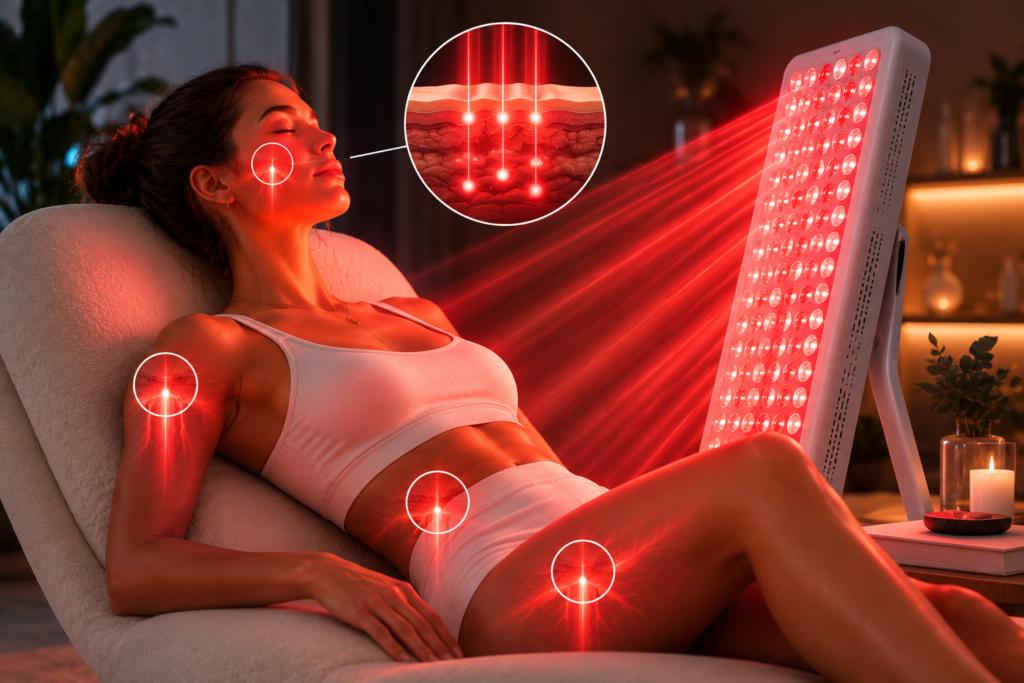
For an older adult interested in trying red light therapy, the most sensible framing is as a possible, optional complement to an active routine — never a replacement for it, and ideally only after a conversation with a healthcare professional who knows their medical history. Cleveland Clinic describes red light therapy as a low-level light approach still being studied for various uses, which fits a cautious, try-it-with-modest-expectations attitude. [source] Interest in red light therapy joint stiffness has grown alongside broader photobiomodulation research.
If used, the same practical principles apply as for anyone else: expose the target area following the device’s guidance, respect the recommended distance and session time, and remember the biphasic dosing principle that more light is not better. Consistency over weeks matters more than intensity, and any sense of whether it helps should be judged patiently. Most published reviews on red light therapy joint stiffness call for larger, better-controlled trials.
Safety Considerations That Matter More With Age
Older adults are more likely to take multiple medications and to have medical conditions, which makes a professional conversation especially worthwhile before starting. Some medications increase sensitivity to light, certain conditions warrant caution, and eye protection from bright light is sensible. A healthcare professional can help weigh whether red light therapy is a reasonable addition for a given individual. A clear-eyed look at red light therapy joint stiffness means separating anecdote from controlled evidence.
For most healthy adults at consumer doses, red light therapy is generally considered low-risk, with mild and temporary side effects such as brief warmth or redness. Still, it is not automatically right for everyone, and it is not a replacement for medical care. When in doubt, asking a professional is the responsible step. Consulting a healthcare provider about red light therapy joint stiffness is always a sensible step.

When Stiffness Needs Medical Attention
Some joint symptoms should prompt a visit to a healthcare professional rather than self-management. Stiffness accompanied by significant swelling, redness, warmth, or fever; joints that are severely painful, locking, or giving way; stiffness that is rapidly worsening; or new, unexplained joint problems all deserve proper evaluation. Morning stiffness that is prolonged and persistent can also be worth discussing with a professional. Devices marketed for red light therapy joint stiffness vary widely in power output and wavelength.
Red light therapy is not a treatment for arthritis or any joint disease, and it does not cure stiffness. Using it in place of appropriate care could delay a helpful diagnosis or treatment. The safest approach is to treat ongoing or concerning joint symptoms as a reason to seek professional advice, with any light therapy considered only as a possible complement within a plan a professional supports. Practitioners field frequent questions about red light therapy joint stiffness from clients.

Gentle Ways to Address Morning Stiffness
Many older adults notice that stiffness is worst first thing in the morning or after long periods of sitting, and easing back into movement often helps more than waiting it out. Simple, gentle approaches tend to be the most sustainable: a few minutes of easy movement to warm up before demanding more of a joint, light stretching within a comfortable range, standing and moving periodically rather than sitting for hours, and staying generally active across the week. Warmth from a warm shower can also feel soothing for some people as they get going. Studies on red light therapy joint stiffness have drawn increasing attention from researchers.
These everyday habits, alongside any exercise plan, are where the real, evidence-supported value lies. If a person chooses to add red light therapy to this picture, it should sit quietly alongside the movement, never in place of it. The point worth repeating is that an active body tends to be a more comfortable one, and the most reliable response to morning stiffness is gentle, consistent motion rather than any single device. When examining red light therapy joint stiffness, it helps to look carefully at the underlying research.
Talking With a Professional Before Starting: Red light therapy joint stiffness Notes
Given the importance of individual circumstances, a brief conversation with a doctor, physical therapist, or pharmacist is a valuable first step for older adults considering red light therapy. Such a professional can review current medications for light-sensitivity concerns, take into account any existing conditions, suggest an appropriate movement program, and offer a realistic perspective on whether adding a light device makes sense for that person. This kind of personalized guidance is far more useful than any general article, and it helps ensure that enthusiasm for a new tool does not crowd out the proven fundamentals or any care that is actually needed.
The Bottom Line
For older adults, regular movement and exercise are the foundation for managing joint stiffness, with strong support from health authorities. Red light therapy may be explored as an optional adjunct by some people, but the evidence is mixed and low-certainty, guidelines do not recommend it as a stand-alone approach, and it is not a treatment for arthritis or a substitute for medical care. Keep movement at the center, involve a healthcare professional in decisions, and seek prompt evaluation for any joint that is swollen, severely painful, or rapidly worsening.
Frequently Asked Questions
Can red light therapy relieve joint stiffness in older adults?
It may be explored as an optional adjunct by some people, but the evidence is mixed and low-certainty. Regular movement and exercise are the foundation for managing stiffness, and a healthcare professional should be involved in decisions.
Do clinical guidelines recommend red light therapy for stiff joints?
Generally no. Because the evidence is inconsistent and often low-certainty, guidance does not endorse low-level light therapy as a recommended stand-alone treatment for joint conditions like osteoarthritis. Proven approaches such as exercise come first.
Isn’t resting a stiff joint better than moving it?
Usually not. Health authorities note that regular physical activity benefits older adults and supports the ability to keep doing everyday activities. Gentle, consistent movement, ideally guided by a professional, generally helps more than rest.
Is red light therapy safe for older adults?
For most healthy adults at consumer doses it is generally considered low-risk, with mild, temporary side effects. However, older adults more often take medications or have conditions that warrant caution, so a professional conversation before starting is wise.
When should an older adult see a professional about joint stiffness?
Promptly if stiffness comes with significant swelling, redness, warmth, or fever, or if a joint is severely painful, locking, giving way, or rapidly worsening. Red light therapy is not a treatment for these and should not delay proper care.
Ready to get your red light therapy device? See our brand reviews and product reviews, and try out our product comparison tool to inform your decision.