Connective tissue — the tendons, ligaments, and related structures that hold the body together and transmit force — is central to how we move. When it is irritated or strained, comfort and function can suffer. Because red light therapy is often marketed for tissue repair, many people want to know what the research actually shows. This article offers a careful, research-focused summary, with an emphasis on honesty about what is and is not known. Studies on red light therapy connective tissue have drawn increasing attention from researchers.
The short version is that the evidence on red light therapy, also called photobiomodulation, for connective tissue is inconclusive. Some studies hint at a possible benefit within a particular dose range, while others show little effect. It is reasonable to describe red light as something that may support comfort or recovery for some people, but it is not proven to reliably heal tendons, ligaments, or other connective tissue, and it is not a treatment for injuries. When examining red light therapy connective tissue, it helps to look carefully at the underlying research.
What Connective Tissue Does
Tendons connect muscle to bone, ligaments connect bone to bone, and a web of related tissue provides structure and support throughout the body. These tissues are strong but can be slow to recover when overloaded or irritated, in part because some of them have a relatively limited blood supply. This slow recovery is one reason researchers have looked for anything that might support the process, including light-based approaches. [source] The evidence around red light therapy connective tissue remains an active area of investigation.
Understanding this backdrop helps explain both the interest in red light therapy and the difficulty of studying it. Connective tissue issues vary widely, recover at different rates, and are influenced by activity and load, which makes clean conclusions hard to reach. For those exploring red light therapy connective tissue, setting realistic expectations matters.
Why Red Light Is Studied for Tissue
The rationale comes from the proposed cellular effects of photobiomodulation. Red and near-infrared light is thought to be absorbed by mitochondria, the energy-producing structures in cells, potentially supporting cellular energy production and influencing signaling involved in repair and inflammation. Mechanistic reviews describe how light absorption may affect mitochondrial activity and downstream cellular processes. [source] Understanding red light therapy connective tissue requires separating marketing claims from published data.
From a laboratory standpoint, this is a plausible reason to investigate whether light could support connective tissue. But as with other muscle and joint uses, a plausible mechanism is the beginning of the inquiry, not the conclusion. The question that matters is whether these cellular effects translate into meaningful, reliable benefits for real tissue in real people. Anyone researching red light therapy connective tissue will find the science is still developing.
What the Research Shows: A Mixed Picture
One of the more relevant bodies of evidence comes from studies on tendinopathy, a term for tendon problems often associated with overuse. A systematic review with meta-analysis of low-level laser treatment of tendinopathy examined whether light therapy affected outcomes such as pain and function. The review found that results depended heavily on the parameters used, and it suggested there may be an effective dose window — meaning benefit was more likely when specific dosing was used, and less likely outside that range. [source] The current state of red light therapy connective tissue research points to early, modest findings.
This finding is genuinely interesting because it aligns with a broader theme in photobiomodulation research: dose matters a great deal. At the same time, the overall picture remains inconclusive. Studies vary in quality, the tissues and conditions studied differ, and reviewers consistently call for more rigorous, standardized research before strong conclusions can be drawn. Interest in red light therapy connective tissue has grown alongside broader photobiomodulation research.
The Idea of a Dose Window
The concept of an effective dose window connects to the well-described biphasic dose response in low-level light therapy, in which too little light does nothing, a moderate dose may help, and too much can reduce or reverse the effect. For connective tissue research, this suggests that the wide variation in study results may partly reflect differences in dosing rather than a simple yes-or-no answer about whether light works. It also means that getting the dose right is not a minor detail — it may be central to whether any effect appears at all. Most published reviews on red light therapy connective tissue call for larger, better-controlled trials.
Why Conclusions Remain Cautious
Several factors keep the evidence inconclusive. Connective tissue conditions are diverse and recover at different rates. Studies use different wavelengths, doses, devices, and treatment schedules. Sample sizes are often small. And because many connective tissue issues improve with time and appropriate loading anyway, it is difficult to isolate the contribution of any single tool. These are the same challenges that limit confident claims across much of the photobiomodulation literature. A clear-eyed look at red light therapy connective tissue means separating anecdote from controlled evidence.
Cleveland Clinic describes red light therapy as a low-level light approach that is still being studied for various uses, which is a fair summary of where connective tissue research stands. Curiosity is reasonable; certainty is not yet warranted. Consulting a healthcare provider about red light therapy connective tissue is always a sensible step.
What This Means for You
If you are interested in red light therapy for connective tissue comfort, the research neither strongly endorses nor clearly rules it out. A sensible interpretation is that it may support comfort or recovery for some people, especially if an appropriate dose is used, but it is not a reliable repair tool and should not be expected to heal tissue on its own. The established contributors to connective tissue recovery — appropriate loading and progression, time, and professional guidance when needed — remain primary. Devices marketed for red light therapy connective tissue vary widely in power output and wavelength.
If you do try it, follow the device’s guidance on distance and session length, expose bare skin, and respect the dosing principle that more is not better. Give any routine several weeks before judging it, and keep expectations modest. Practitioners field frequent questions about red light therapy connective tissue from clients.
When to See a Professional
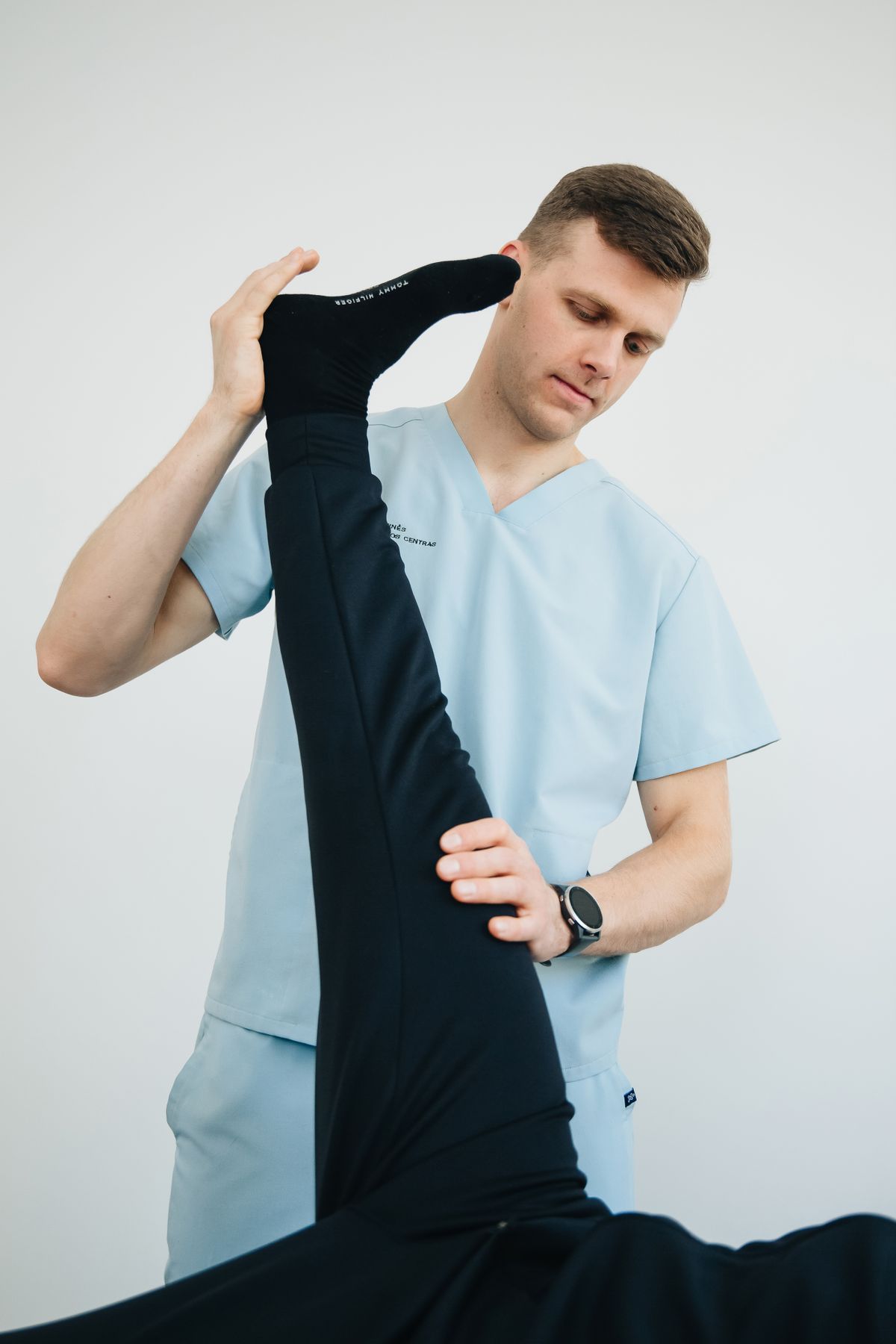
Connective tissue problems can range from minor irritation to significant injury, and some warrant professional assessment. Pain that is sharp, severe, persistent, or worsening; noticeable swelling; a sense of instability or giving way; an inability to bear weight or use the area normally; or a suspected tear or rupture all call for evaluation by a healthcare professional. Self-managing a genuine injury with a light device could delay proper diagnosis and treatment. Studies on red light therapy connective tissue have drawn increasing attention from researchers.
Red light therapy is not a treatment for injuries and does not reliably heal connective tissue, so it should not replace appropriate care. For most healthy adults at consumer doses it is generally considered low-risk, with mild and temporary side effects, but it is not a substitute for medical advice. Anyone who is pregnant, takes photosensitizing medication, or has a relevant condition should consult a professional first, and eye protection around bright light is sensible. When examining red light therapy connective tissue, it helps to look carefully at the underlying research.
How to Read Connective Tissue Claims Critically: Red light therapy connective tissue Notes
Because connective tissue is a popular marketing target, it helps to bring a critical eye to bold claims. Be cautious of language that promises to repair, rebuild, or heal tendons and ligaments, since the research does not support reliable healing. Be skeptical of before-and-after stories presented as proof, because individual anecdotes cannot account for natural recovery over time or the role of appropriate loading. And notice whether a product is transparent about wavelength, irradiance, and recommended dose, since dose appears to be central to whether any effect occurs at all.
A grounded way to interpret the science is this: the mechanism is plausible, a possible effective dose window has been suggested, and the overall evidence remains inconclusive. Holding those three ideas together at once is more honest than either dismissing red light outright or treating it as a proven repair tool. For anyone dealing with a genuine connective tissue problem, that honest middle ground points back to the same conclusion — appropriate care and sensible loading first, with light as an optional, modest experiment at best.
The Bottom Line
Research on red light therapy and connective tissue, including tendons, is inconclusive, though some studies point to a possible effective dose window that fits the broader biphasic dosing theme. It is fair to say red light may support comfort or recovery for some people, but it is not proven to reliably heal connective tissue and is not a treatment for injuries. Keep appropriate loading, time, and professional guidance central, mind the dose, and see a healthcare professional for any pain that is sharp, severe, persistent, or worsening, or for any suspected injury.
Frequently Asked Questions
Does red light therapy heal tendons or ligaments?
No. The evidence is inconclusive, and red light therapy is not proven to reliably heal connective tissue. It may support comfort or recovery for some people, but it is not a treatment for injuries and should not replace appropriate care.
What does the research on connective tissue actually show?
A mixed picture. A review of low-level laser treatment of tendinopathy found results depended heavily on dosing and suggested a possible effective dose window, but overall the evidence remains inconclusive and more rigorous research is needed.
What is an effective dose window?
It is the idea that benefit is more likely within a specific dosing range. This fits the biphasic dose response, where too little light does nothing, a moderate dose may help, and too much can reduce or reverse the effect.
Why are the study results so inconsistent?
Connective tissue conditions are diverse and recover at different rates, studies use different wavelengths, doses, and devices, sample sizes are often small, and many issues improve with time anyway, making it hard to isolate any single tool’s effect.
When should I see a healthcare professional?
For pain that is sharp, severe, persistent, or worsening, noticeable swelling, instability or giving way, an inability to use the area normally, or a suspected tear. Red light therapy is not a substitute for professional evaluation of an injury.
Ready to get your red light therapy device? See our brand reviews and product reviews, and try out our product comparison tool to inform your decision.