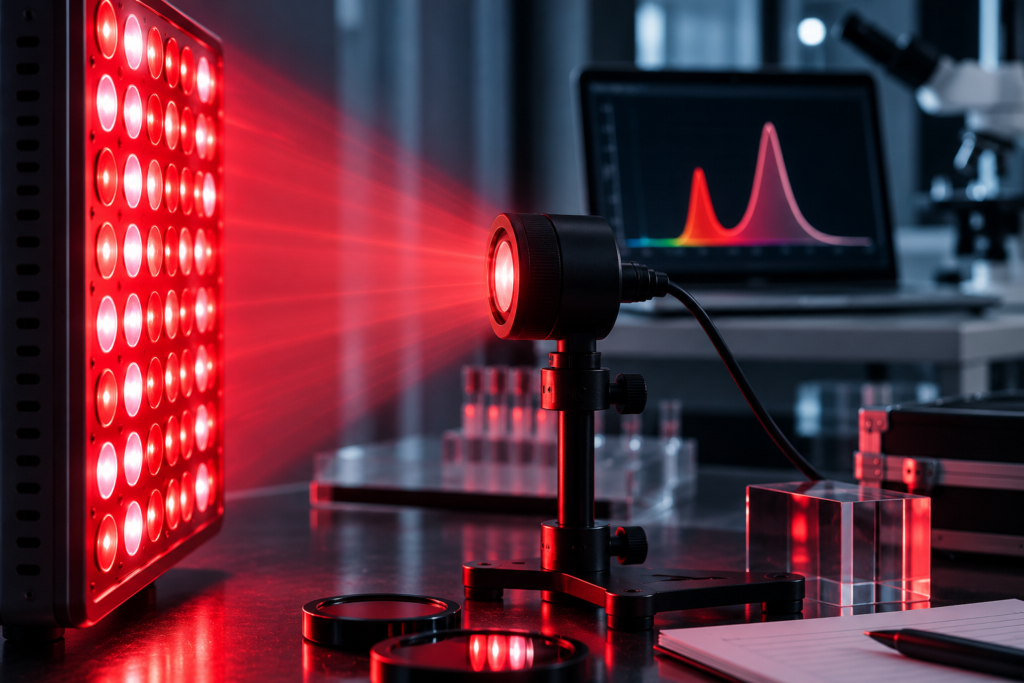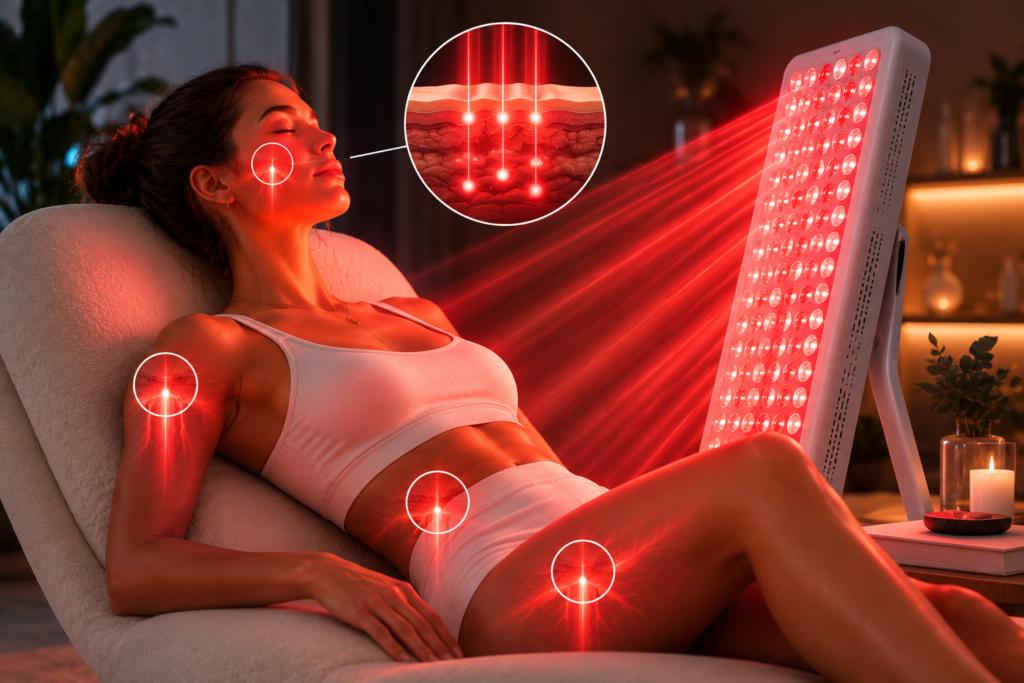
Athletes are often early adopters of recovery tools, and red light therapy has become a popular addition to many routines. Enthusiasm, though, can lead to predictable mistakes — using the wrong dose, expecting too much, or letting a gadget distract from the basics that actually drive recovery. This article walks through the most common mistakes athletes make with red light therapy and offers a cautious, practical way to avoid each one. The aim is to help you use it sensibly, if you use it at all, without falling for hype or undermining your own training. Studies on red light therapy athlete mistakes have drawn increasing attention from researchers.
A grounding point first: a review of photobiomodulation in sport performance and recovery discusses light as a possible aid for some recovery-related outcomes, while making clear that results depend on protocol and are not uniform. So even at its best, red light therapy is a possible adjunct, not a guaranteed edge. Every mistake below stems, in one way or another, from forgetting that. When examining red light therapy athlete mistakes, it helps to look carefully at the underlying research.
Mistake 1: Overusing It (Ignoring the Dose Curve)
The most frequent error is assuming more is better — longer sessions, more frequency, sitting as close as possible. This contradicts one of the clearest findings in the field. Studies on dosing describe a biphasic dose response: a moderate dose may help, while too little does nothing and too much can reduce or even reverse the benefit. [source] The evidence around red light therapy athlete mistakes remains an active area of investigation.
For an athlete, this means a disciplined approach is the right one. Follow the device’s recommended time and distance, resist the urge to stack extra sessions, and treat the dosing guidance as a ceiling rather than a starting point. Doubling down does not accelerate recovery and may work against you. For those exploring red light therapy athlete mistakes, setting realistic expectations matters.
Mistake 2: Using the Wrong Distance
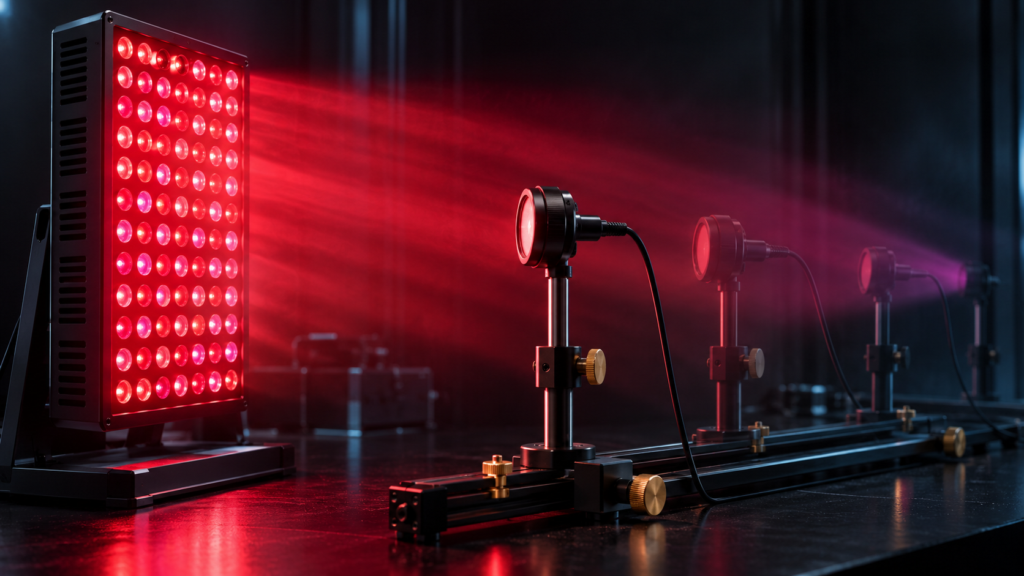
Closely related is getting the distance wrong. The amount of light energy reaching the skin falls off quickly as you move farther from a panel, so distance dramatically changes the actual dose delivered. Sitting too far away may deliver too little to matter; crowding the panel may push past the helpful range. [source] Understanding red light therapy athlete mistakes requires separating marketing claims from published data.
The fix is simple: use the manufacturer’s stated distance, measured rather than guessed. Organizations such as the World Association for Photobiomodulation Therapy emphasize that dose and delivery parameters matter, which is exactly why a casual, eyeballed distance undermines whatever benefit a session might offer. Anyone researching red light therapy athlete mistakes will find the science is still developing.
Mistake 3: Treating Through Clothing
Many athletes use red light therapy over a shirt or compression gear to save time. This is self-defeating, because clothing blocks much of the light from reaching the skin. A session delivered through fabric may deliver little usable dose at all. [source] The current state of red light therapy athlete mistakes research points to early, modest findings.
Expose the target area of bare skin to the light. If a session is not worth the few seconds it takes to uncover the area, it is probably not worth doing. This is one of the easiest mistakes to fix and one of the most commonly overlooked. Interest in red light therapy athlete mistakes has grown alongside broader photobiomodulation research.

Mistake 4: Neglecting the Fundamentals
The most consequential mistake is letting red light therapy distract from what truly drives recovery. Sleep, nutrition, hydration, and sensible management of training load do the overwhelming majority of the work. No light device compensates for chronic sleep debt or relentless training without adequate rest. Most published reviews on red light therapy athlete mistakes call for larger, better-controlled trials.
Athletes sometimes invest enthusiasm and money in recovery gadgets while neglecting the unglamorous basics. The cautious, effective approach is the reverse: nail the fundamentals first, and only then consider red light therapy as a small optional layer. If the basics are shaky, that is where the real gains lie. A clear-eyed look at red light therapy athlete mistakes means separating anecdote from controlled evidence.
Mistake 5: Expecting It to Replace Recovery or Training
Some athletes treat red light therapy as a license to train harder or skip proper recovery, reasoning that the device will make up the difference. It will not. Red light therapy is, at most, a possible recovery adjunct with mixed evidence — not a tool that offsets overtraining or replaces rest days, deloads, and good programming. Consulting a healthcare provider about red light therapy athlete mistakes is always a sensible step.
Recovery is earned through smart training structure, not bought through a panel. Viewing red light therapy as permission to overreach is a recipe for accumulating fatigue and raising injury risk, which is the opposite of what any athlete wants. Devices marketed for red light therapy athlete mistakes vary widely in power output and wavelength.
Mistake 6: Using It to Mask or Push Through Injury
This is the most serious mistake of all. Pain is information. Using red light therapy to dull discomfort and continue training through a potential injury can turn a manageable problem into a significant one. Red light therapy is not a treatment for injuries and not a diagnostic tool. Practitioners field frequent questions about red light therapy athlete mistakes from clients.
Persistent, severe, or worsening pain, pain that follows a specific incident, or pain accompanied by swelling, instability, or loss of function deserves evaluation by a qualified healthcare professional. No recovery gadget should be used to silence those signals. When in doubt, stop and get assessed. Studies on red light therapy athlete mistakes have drawn increasing attention from researchers.
Mistake 7: Assuming Combining Tools Multiplies Benefits
Athletes often layer recovery modalities — light therapy, compression, ice, massage tools — on the assumption that stacking them multiplies the payoff. There is little basis for treating red light therapy this way. Its evidence is mixed and protocol-dependent on its own, and adding it to a pile of other gadgets does not transform it into something more reliable. Worse, a crowded recovery stack can eat time and attention that would be better spent on sleep and sensible training load. If you use red light therapy alongside other tools, keep it simple, keep the fundamentals central, and do not assume that more devices equal more recovery. When examining red light therapy athlete mistakes, it helps to look carefully at the underlying research.
Mistake 8: Ignoring Eye Protection With Near-Infrared
A practical safety oversight is neglecting the eyes, particularly with near-infrared-heavy devices common in recovery gear. Because near-infrared light is largely invisible, it does not trigger the eye’s natural aversion to brightness, so it is easy to forget that protection still matters. Taking eye protection seriously, and following the device’s guidance, is a small habit that costs nothing and removes an avoidable risk. It is the kind of unglamorous detail that disciplined athletes tend to get right and casual users tend to skip.
Mistake 9: Inconsistency and Unrealistic Expectations
Two softer mistakes round out the list. The first is inconsistency — using red light therapy sporadically and expecting noticeable effects. If it does anything, research suggests consistent use over time matters more than occasional sessions. The second is expecting dramatic, immediate results. Effects, when they occur, tend to be subtle and gradual.
The Right Mental Model: Red light therapy athlete mistakes Notes
Setting realistic expectations protects you from both disappointment and the temptation to overuse the device chasing a bigger effect. A calm, consistent, modest routine is the right mental model. Think of red light therapy as a quiet supporting habit rather than a performance lever, and you will sidestep most of the errors that come from expecting too much of it.
A Do-and-Don’t Summary
To put it simply: do follow the recommended dose, time, and distance; do expose bare skin; do keep sleep, nutrition, and training load as your foundation; and do consult a professional for persistent or severe pain. Do not overuse the device or assume more is better; do not treat through clothing; do not let a gadget distract from the basics; do not use it to offset overtraining; and never use it to mask or push through a possible injury. These habits keep red light therapy in its proper, modest role.
A Note on Safety
For most healthy adults, consumer-dose red light therapy is generally considered low-risk, with mild and temporary side effects at most. Protect the eyes from bright light, follow device guidance, and consult a healthcare professional if you are pregnant, take photosensitizing medications, or have a relevant medical or eye condition. The greatest risk for athletes is rarely the light itself; it is the mistakes that come from overestimating what it can do.
The Bottom Line
The common red light therapy mistakes athletes make — overusing it, getting the distance wrong, treating through clothing, neglecting fundamentals, expecting it to replace training and recovery, and using it to mask injury — all share one root: forgetting that it is a possible adjunct, not a guarantee. Used cautiously, at the right dose and distance, on bare skin, on top of solid fundamentals, and never as a substitute for professional care, red light therapy can be a reasonable part of a recovery routine. The discipline that makes an athlete also makes for sensible recovery.
Frequently Asked Questions
What is the most common red light therapy mistake athletes make?
Overusing it. Research describes a biphasic dose response where a moderate dose may help and too much can reduce or reverse the benefit, so stacking longer or more frequent sessions is counterproductive.
Can I use red light therapy through my clothes?
No. Clothing blocks much of the light. Expose the target area of bare skin so the light can reach it, otherwise the session may deliver little usable dose.
Will red light therapy let me train harder or skip rest days?
No. It is at most a possible recovery adjunct with mixed evidence and does not offset overtraining or replace rest, deloads, and good programming. Recovery is earned through smart training structure.
Is it okay to use red light therapy on a painful area to keep training?
No. Using it to mask or push through possible injury is risky. Persistent, severe, or worsening pain, or pain after an incident, should be evaluated by a healthcare professional. It is not a treatment for injuries.
How important is distance from the panel?
Very. Light energy drops off quickly with distance, changing the dose delivered. Use the manufacturer’s stated distance, measured rather than guessed, since dose and delivery parameters matter.
Ready to get your red light therapy device? See our brand reviews and product reviews, and try out our product comparison tool to inform your decision.