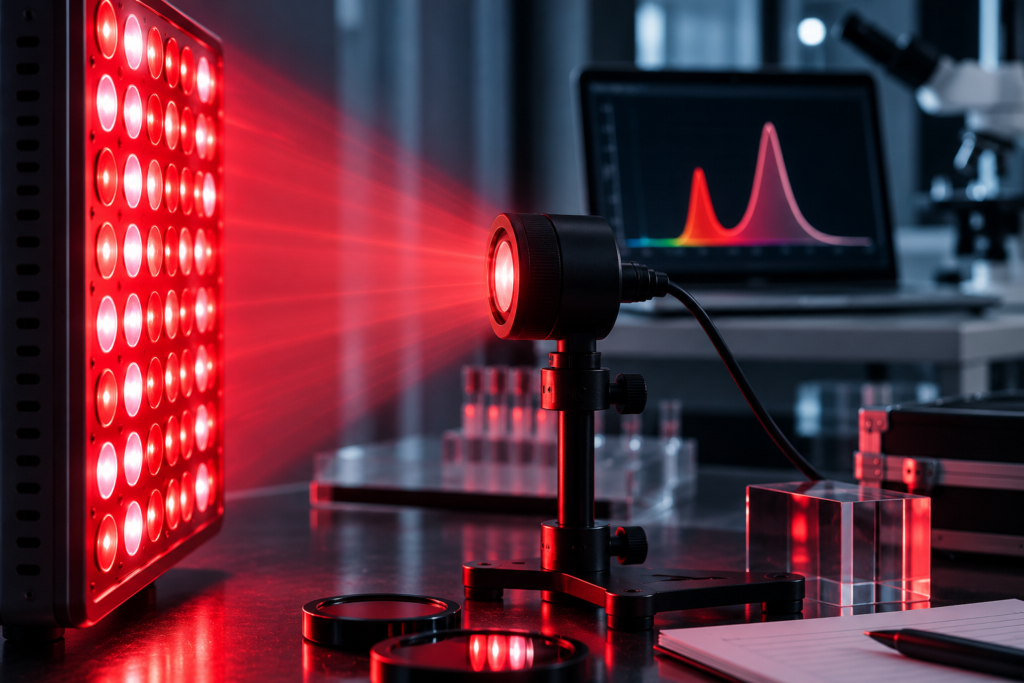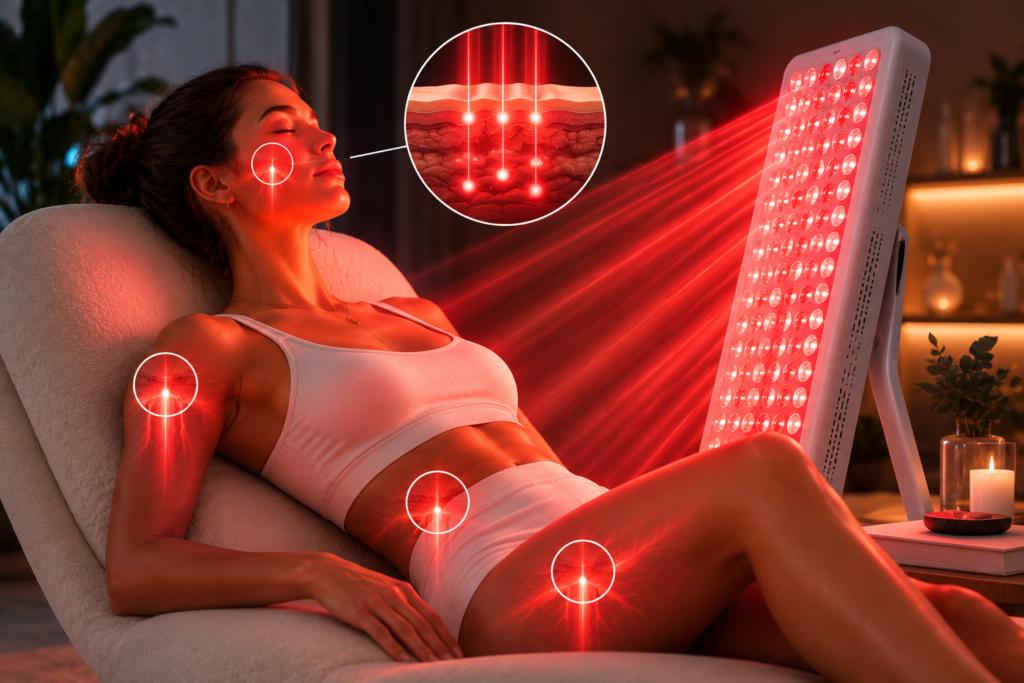
Not all light affects sleep the same way. You may have heard that blue light from screens can keep you awake, while red light is gentler at night. There is real science behind this difference, and understanding it can help you make smarter choices about your evening light environment. This article compares red and blue light, explains why they affect sleep differently, and offers practical, cautious guidance — without overstating what any light can do. Studies on red light vs blue light sleep have drawn increasing attention from researchers.
One clarification up front: this article is about light color and sleep timing, which is mostly about light entering the eyes in the evening. That is related to, but distinct from, red light therapy devices aimed at the skin. Where the two connect, the article will say so plainly. When examining red light vs blue light sleep, it helps to look carefully at the underlying research.
Why Light Color Matters for Sleep
Light is the primary signal that sets the body’s internal clock, and the eyes are especially sensitive to certain wavelengths. The Sleep Foundation explains that blue light, which is abundant in daylight and emitted strongly by screens and many LED bulbs, has a powerful effect on alertness and the timing of sleep. During the day this is helpful, supporting wakefulness. In the evening, however, it can become a problem. [source] The evidence around red light vs blue light sleep remains an active area of investigation.
The reason comes down to melatonin, the hormone that rises in the evening to help signal sleep. Light entering the eyes — particularly blue-enriched light — can suppress melatonin, effectively telling the brain that it is still daytime and delaying the natural wind-down. For those exploring red light vs blue light sleep, setting realistic expectations matters.
How Blue Light Affects Sleep
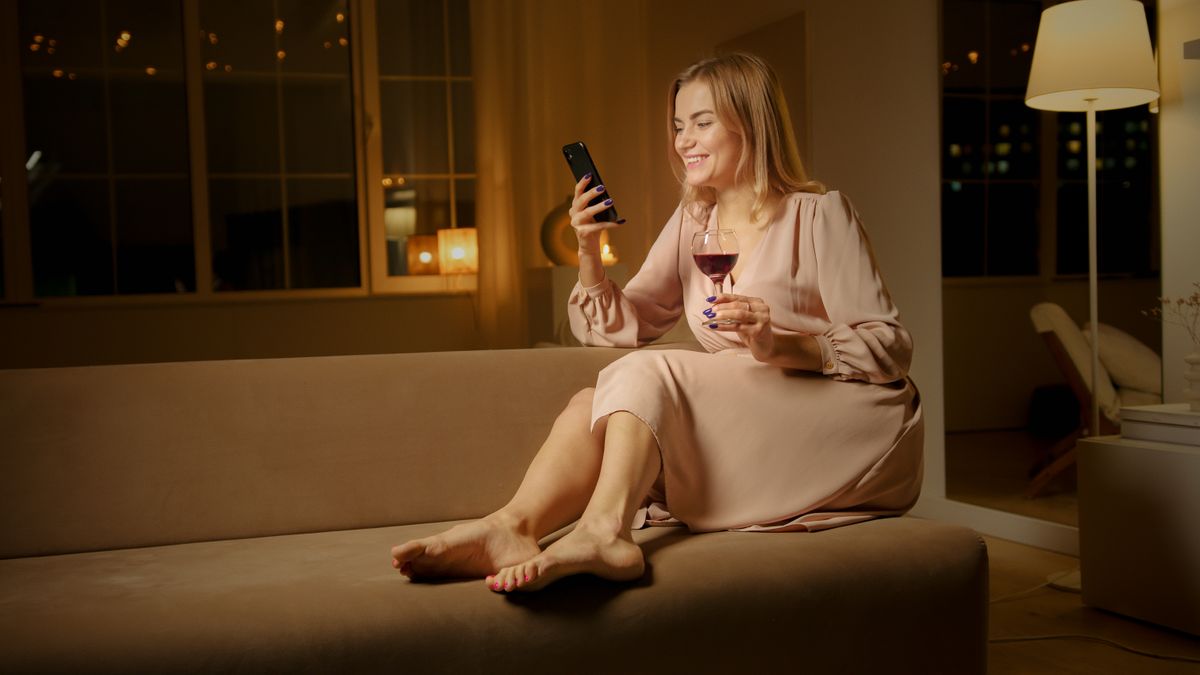
Blue and bright white light are the strongest suppressors of evening melatonin. Harvard Health describes how blue light has a dark side at night: while valuable during the day, evening exposure can shift circadian timing and suppress melatonin more than other colors of light. This is why heavy screen use late at night is so often linked with difficulty falling asleep. [source] Understanding red light vs blue light sleep requires separating marketing claims from published data.
Research reinforces the concern. A study by Gooley and colleagues found that exposure to ordinary room light before bedtime suppressed melatonin and shortened the duration of melatonin production compared with dim light. In other words, even everyday indoor lighting — not just screens — can blunt the evening melatonin signal if it is bright enough. The practical implication is that both the brightness and the color of evening light matter. Anyone researching red light vs blue light sleep will find the science is still developing.
How Red Light Affects Sleep
Red light sits at the opposite end of this spectrum in terms of impact. Red wavelengths appear to have minimal melatonin-suppressing effect compared with blue light. A warm red glow in the evening is far less likely to disrupt the body’s wind-down process than bright blue-white light. This is why warm, dim, red-toned lighting is often recommended for the hours before bed. [source] The current state of red light vs blue light sleep research points to early, modest findings.
It is important not to overinterpret this, though. The fact that red light is gentle on melatonin does not mean red light actively improves sleep for everyone. It primarily means red light is less disruptive. There is a meaningful difference between not interfering with sleep and actively enhancing it. Interest in red light vs blue light sleep has grown alongside broader photobiomodulation research.
What About Red Light Therapy Devices?
Red light therapy devices, which deliver red and near-infrared light to the skin, are sometimes discussed in this context. The same single small trial in female basketball players that hinted at a possible sleep and melatonin benefit is the main piece of direct evidence, and it is very limited and preliminary. So while red light’s gentleness toward melatonin is well grounded as a general principle, the idea that a red light therapy device reliably improves sleep is not established. Red light therapy is not a treatment for insomnia or any sleep disorder. [source] Most published reviews on red light vs blue light sleep call for larger, better-controlled trials.
The Practical Implications for Your Evening
Translating this science into habits is straightforward. The goal in the evening is to reduce bright, blue-enriched light and favor dim, warm light. Here are the practical takeaways that follow from the evidence. A clear-eyed look at red light vs blue light sleep means separating anecdote from controlled evidence.
Reduce Blue Light Before Bed
Lower screen use in the hour or two before sleep, or reduce screen brightness and use warmer display settings where available. Swap bright overhead lighting for dim, warm lamps. The aim is to avoid sending a daytime signal to your brain when you are trying to wind down. Consulting a healthcare provider about red light vs blue light sleep is always a sensible step.
Favor Warm, Dim Light at Night
Warm-toned, low-intensity lighting in the evening supports the natural rise of melatonin better than bright white or blue light. This is the core of good evening light hygiene, and it is far more important than any specific device. Devices marketed for red light vs blue light sleep vary widely in power output and wavelength.
Get Bright Light During the Day
The flip side is just as useful: seek bright light, ideally daylight, earlier in the day. Strong daytime light helps reinforce a well-timed circadian rhythm, which in turn supports easier sleep at night. Practitioners field frequent questions about red light vs blue light sleep from clients.
Keeping the Comparison in Perspective
It is easy to turn this into an oversimplified slogan — blue bad, red good — but the reality is more nuanced. Blue light is not harmful; it is genuinely beneficial during the day and only becomes a sleep concern when it is bright and late. Red light is not a sleep cure; it is simply less disruptive at night. The most accurate framing is about timing and brightness: bright and blue-enriched light belongs to daytime, while dim and warm light belongs to the evening. Studies on red light vs blue light sleep have drawn increasing attention from researchers.
Likewise, dimming the lights is not a substitute for the broader fundamentals of healthy sleep. Light hygiene is one helpful piece, but consistent sleep timing, a comfortable bedroom, regular activity, and sensible caffeine habits all matter too. When examining red light vs blue light sleep, it helps to look carefully at the underlying research.
Three Light-Related Things People Confuse: Red light vs blue light sleep Notes
Because so much overlapping advice circulates online, it helps to separate three distinct ideas that often get tangled together. The first is evening light hygiene: using dim, warm light and avoiding bright, blue-enriched light at night so the body’s melatonin signal is not disrupted. This is what most of this article is about, and it concerns the light around you and the screens you look at. The second is red and near-infrared photobiomodulation devices — the panels and wraps marketed as red light therapy, which aim light at the skin and tissues. Their connection to sleep is supported only by very limited, preliminary evidence. The third is bright light therapy boxes, which deliver intense visible light through the eyes and are used under professional guidance for certain circadian and seasonal concerns.
These three are not interchangeable. Avoiding blue light at night is a light-hygiene habit; a red light therapy panel is a skin-directed device; and a bright light box is an eye-directed tool for circadian timing. Conflating them leads to confused expectations, such as assuming a red light therapy panel will reset your body clock the way a bright light box might, or that any red glow is therapeutic. Keeping the categories straight makes the practical advice much easier to apply.
A Simple Way to Remember the Difference
For sleep timing, what matters most is the light reaching your eyes in the evening: keep it dim and warm, not bright and blue. Red light therapy devices are a separate, optional wellness practice with limited sleep evidence, and bright light boxes are a distinct medical-adjacent tool used through the eyes. When in doubt, focus your energy on the eye-based light environment and proven habits, since that is where the strongest evidence lies.
When to Seek Help
If you consistently struggle to fall asleep or stay asleep despite a sensible light environment and good habits, that is worth discussing with a healthcare professional. Adjusting evening light can help with timing-related difficulties, but persistent sleep problems can have underlying causes that need proper evaluation. No light, red or otherwise, is a replacement for medical care.
The Bottom Line
Blue light and red light affect sleep very differently. Blue and bright white light strongly suppress evening melatonin and can delay sleep, which is why screens and bright lighting are best limited at night. Red light has minimal melatonin-suppressing effect, making warm, dim, red-toned light a gentler evening choice. But gentle is not the same as therapeutic: red light is less disruptive, not a proven sleep enhancer, and red light therapy is not a treatment for sleep disorders. Favor bright light by day and dim, warm light at night, lean on proven sleep habits, and see a professional if problems persist.
Frequently Asked Questions
Why is blue light bad for sleep at night?
Blue and bright white light strongly suppress evening melatonin, signaling the brain that it is still daytime. This can delay sleep, especially with late screen use.
Does red light help you sleep?
Red light has minimal melatonin-suppressing effect, so it is less disruptive at night than blue light. That is different from actively improving sleep, which is not well established.
Is it only screens that affect melatonin?
No. Research shows ordinary bright room light before bed can also suppress melatonin. Both the brightness and color of evening light matter.
Should I use a red light therapy device to sleep better?
Evidence that red light therapy devices improve sleep is very limited and preliminary. Red light therapy is not a treatment for insomnia or any sleep disorder.
What is the simplest light change for better sleep?
Favor bright light during the day and dim, warm light in the evening, while reducing bright, blue-enriched light and screen use before bed.
Ready to get your red light therapy device? See our brand reviews and product reviews, and try out our product comparison tool to inform your decision.