Your bedroom’s lighting may be quietly working against your sleep. Bright overhead lights, glowing screens, and even a sliver of streetlight through the curtains can all influence the internal clock that governs when you feel sleepy. The encouraging news is that light is one of the most controllable parts of your sleep environment. This guide offers practical, evidence-informed steps for building a sleep-friendly light environment at home, and it explains honestly where optional tools like red light therapy might fit. Studies on sleep friendly lighting have drawn increasing attention from researchers.
Before reaching for any device, it is worth emphasizing the fundamentals. Good evening light hygiene, dimmer and warmer light as bedtime approaches, plus a dark bedroom, is the foundation. Gadgets are optional and, in the case of red light therapy for sleep, supported only by very limited evidence. When examining sleep friendly lighting, it helps to look carefully at the underlying research.
Why Light Hygiene Matters
Light is the most powerful signal for the body’s circadian rhythm, the roughly 24-hour clock that helps determine when you feel alert and when you feel tired. The Sleep Foundation explains that light exposure, particularly in the evening, strongly affects sleep, because bright light can delay the body clock and suppress melatonin, the hormone that signals it is time to wind down. Managing light in the hours before bed is therefore one of the most effective levers you have. [source] The evidence around sleep friendly lighting remains an active area of investigation.
Research by Gooley and colleagues underscores this: exposure to ordinary room light before bedtime suppressed melatonin in most people and shortened how long it was produced, compared with dim light. In short, the brightness of your evening environment genuinely matters. For those exploring sleep friendly lighting, setting realistic expectations matters.
Step 1: Dim the Lights as Bedtime Approaches
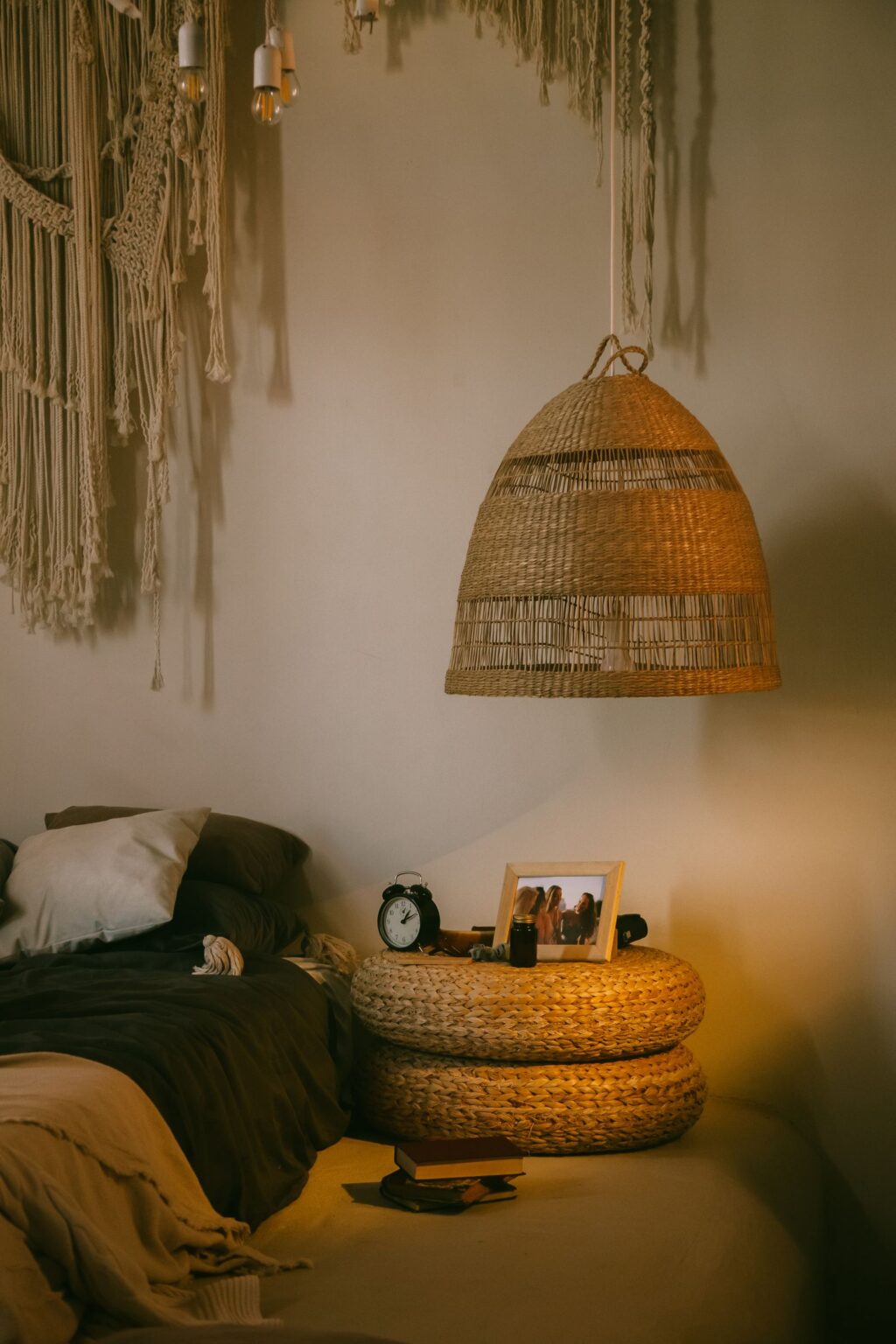
The simplest and most impactful change is to lower overall brightness in the last hour or two before bed. Bright light tells the brain it is still daytime. Switching from bright overhead lighting to a low, soft lamp helps signal the transition toward sleep. Dimmer switches, lower-wattage bulbs, or simply using fewer lights in the evening all help. The goal is a noticeably dimmer space than you use during the day. [source] Understanding sleep friendly lighting requires separating marketing claims from published data.
This single habit aligns directly with the research showing that dim light preserves the evening melatonin rise better than bright room light. Anyone researching sleep friendly lighting will find the science is still developing.
Step 2: Choose Warmer Light Tones at Night
Color temperature matters alongside brightness. Cooler, blue-rich light is more stimulating to the body clock, while warmer, amber-toned light is gentler in the evening. Many bulbs are labeled with a color temperature, and lower numbers indicate warmer light. Using warm-toned lamps at night, and saving brighter, cooler light for daytime, supports a more natural light pattern that the circadian system can read clearly. [source] The current state of sleep friendly lighting research points to early, modest findings.
This is not about banishing all light, but about shifting its character in the evening toward something soft and warm. Interest in sleep friendly lighting has grown alongside broader photobiomodulation research.
Step 3: Tame Screens and Blue Light Before Bed
Screens are a major source of evening light. The Sleep Foundation recommends reducing exposure to bright and blue-rich light from devices in the hours before bed as part of healthy sleep habits. Practical tactics include enabling night or warm-color modes on phones and computers, lowering screen brightness, putting devices away earlier, and avoiding bright screens in bed. If you must use a device, dimming it and holding it farther from your eyes reduces the intensity of light reaching them. Most published reviews on sleep friendly lighting call for larger, better-controlled trials.
Reducing blue light at night is one of the most commonly recommended steps in sleep hygiene precisely because of blue light’s strong effect on melatonin and the body clock. A clear-eyed look at sleep friendly lighting means separating anecdote from controlled evidence.
Step 4: Make the Bedroom Genuinely Dark
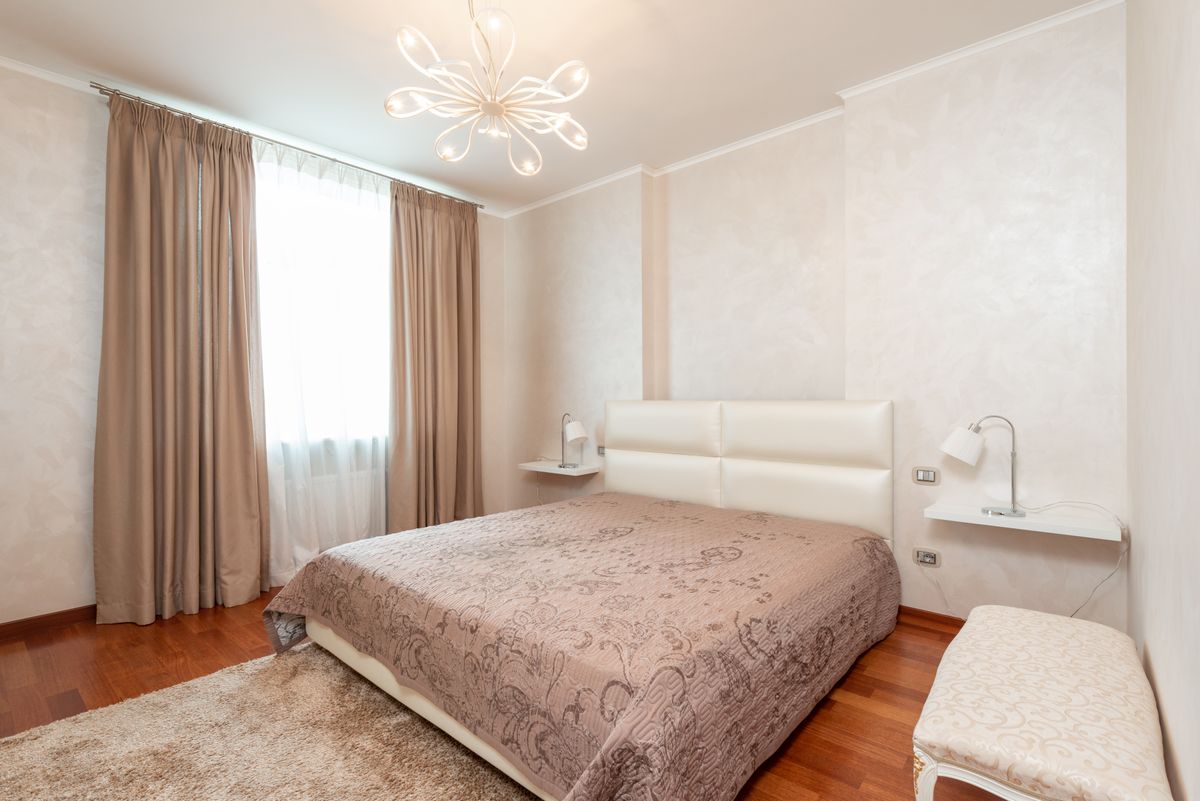
Once it is time to sleep, darkness helps. Light leaking from streetlamps, electronics, or another room can disturb sleep even if you do not fully wake. The Sleep Foundation suggests keeping the bedroom dark, which can be achieved with blackout curtains, by covering or removing small indicator lights from electronics, and by using a sleep mask if needed. A darker room supports uninterrupted melatonin production through the night. Consulting a healthcare provider about sleep friendly lighting is always a sensible step.
Don’t Forget Morning Light
Light hygiene is not only about darkness at night. Getting bright light, ideally natural daylight, in the morning helps anchor the body clock and reinforce a healthy sleep-wake rhythm. The contrast between bright days and dim, dark nights is what the circadian system reads most clearly. So while the evening calls for dim and warm light, the morning is the time for brightness. Devices marketed for sleep friendly lighting vary widely in power output and wavelength.
Where Does Red Light Therapy Fit?
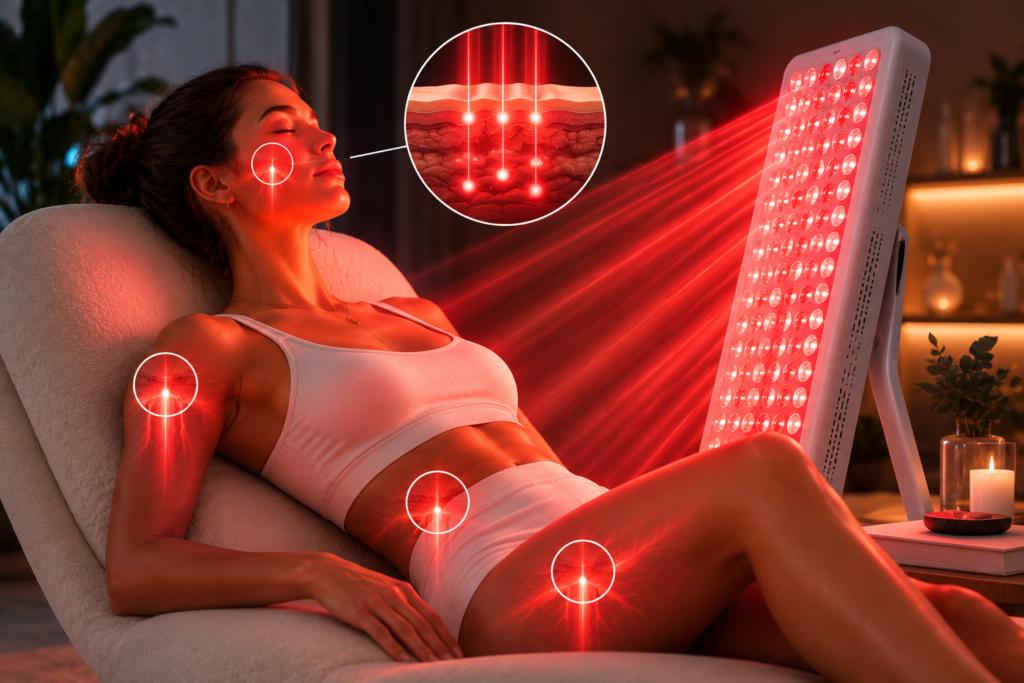
With the fundamentals in place, some people wonder whether a red light therapy device belongs in their evening routine. Here it is important to separate two different ideas. One is general evening light hygiene, simply favoring dim, warm, lower-blue light, which is well supported. The other is using a dedicated red light therapy device in hopes of improving sleep, which is supported only by very limited evidence. Practitioners field frequent questions about sleep friendly lighting from clients.
Red wavelengths do appear to suppress melatonin minimally compared with bright blue light, so encountering dim red light in the evening is unlikely to be as disruptive as bright blue light. But a minimal effect on melatonin is not proof of a sleep benefit. If you choose to include a red light session as part of a calming pre-bed routine, it is reasonable to treat it as an optional experiment, not a cornerstone. The fundamentals of dim, warm, dark evenings should come first. Studies on sleep friendly lighting have drawn increasing attention from researchers.
Room-by-Room Considerations
Light hygiene is easier to maintain when your whole evening environment supports it, not just the bedroom. In living spaces where you relax before bed, consider lamps with warm bulbs rather than bright overhead fixtures, so the wind-down begins before you reach the bedroom. Kitchens and bathrooms are often brightly lit, which can briefly undo a calm evening, so a dimmer night-time setting or a low-level light for late trips can help. Hallways and stairs need only enough light for safety, and a soft, low night light is usually sufficient. The aim across the home is a gradual dimming as the night progresses, rather than moving between a dark room and a brilliantly lit one, which sends the body clock mixed signals. When examining sleep friendly lighting, it helps to look carefully at the underlying research.
Consistency Over Perfection
It is worth remembering that you do not need a flawless setup to benefit. The body clock responds to patterns over time, so a consistent habit of dimmer, warmer evenings most nights matters more than occasionally achieving a perfect environment. If a bright light slips in one evening, it is not a failure; simply return to the routine. The Sleep Foundation frames healthy sleep as a set of sustainable habits, and light hygiene works best when it is something you can keep up without strain. Small, repeatable changes tend to outperform elaborate systems you abandon after a week.
A Simple Evening Light Routine: Sleep friendly lighting Notes
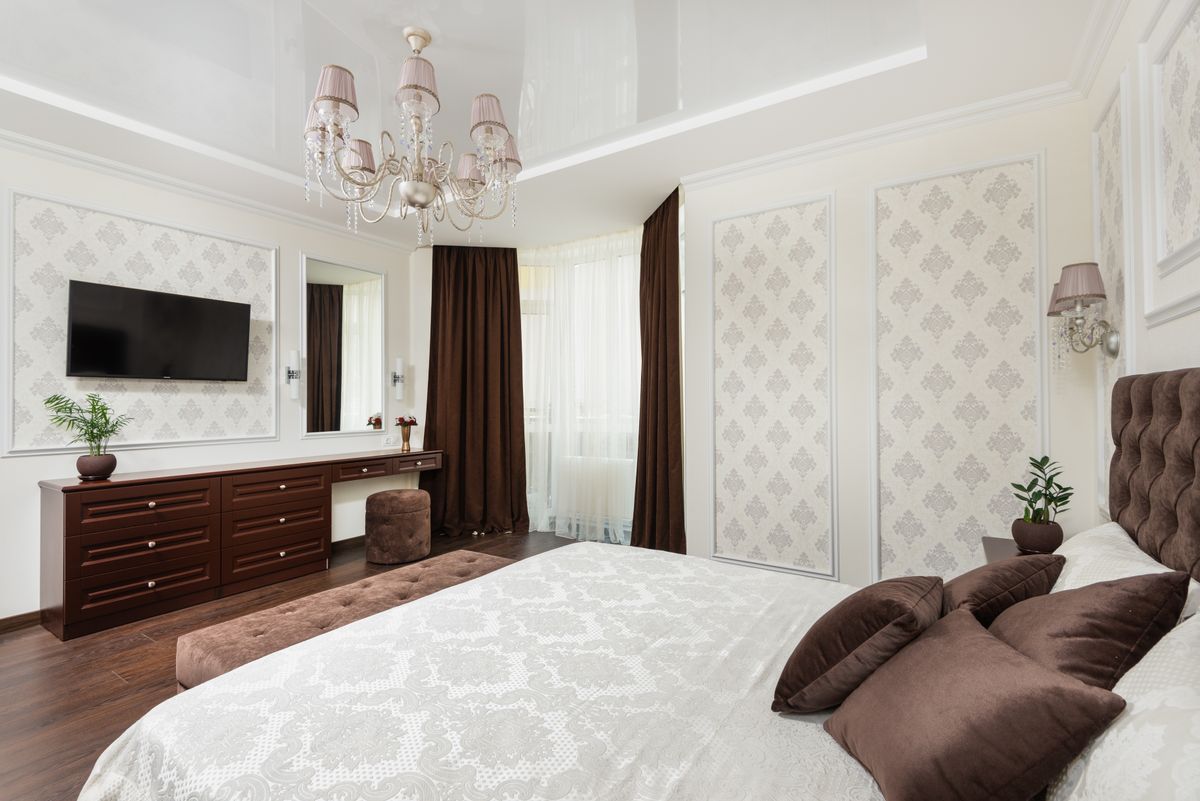
Putting it together, a sensible routine might look like this. In the late afternoon and early evening, enjoy normal lighting. An hour or two before bed, dim the lights and switch to warm tones. Reduce screen brightness or put devices away, and enable night modes if you keep them. As you head to bed, make the room as dark as comfortable. If you use a red light device, you might do so as part of this wind-down, while remembering it is optional and unproven for sleep. In the morning, seek bright light to anchor your rhythm.
A Note of Caution
Light hygiene can support better rest, but it is not a cure for sleep disorders, and red light therapy in particular is not a treatment for insomnia and does not guarantee better sleep. If you consistently have trouble falling or staying asleep, wake unrefreshed, snore heavily, or suspect a sleep disorder, talk with a healthcare professional. These steps complement good sleep practices and any care a professional recommends; they do not replace medical evaluation.
The Bottom Line
A sleep-friendly light environment comes down to dim, warm, lower-blue light in the evening, a dark bedroom at night, and bright light in the morning. These habits are well supported and cost little to adopt. Red light therapy may be an optional addition to a wind-down routine for those who are curious, but the evidence for it improving sleep is very limited, so keep the fundamentals first and see a professional for ongoing sleep problems.
Frequently Asked Questions
What is the most important lighting change for better sleep?
Dimming your lights in the hour or two before bed is the most impactful single change. Bright light suppresses melatonin and signals the brain that it is still daytime, while dim, warm light supports winding down.
Do I need special bulbs for a sleep-friendly bedroom?
Not necessarily. Warmer-toned, lower-brightness lighting in the evening helps, and that can come from dimmer switches, low-wattage warm bulbs, or simply using fewer lights. Special products are optional, not required.
Does reducing blue light at night actually help?
Reducing bright, blue-rich light at night is a widely recommended sleep-hygiene step because blue light strongly affects melatonin and the body clock. Lowering screen brightness, using night modes, and putting devices away earlier can all help.
Where does red light therapy fit into evening light hygiene?
Red light appears to suppress melatonin minimally compared with blue light, so dim red light is unlikely to be very disruptive at night. As a dedicated sleep aid, though, red light therapy has very limited evidence and should be viewed as an optional experiment, with fundamentals first.
Can good lighting habits cure my insomnia?
No. Light hygiene may support better rest, but it is not a cure for insomnia or sleep disorders. If you have ongoing sleep problems, consult a healthcare professional rather than relying on lighting changes alone.
Ready to get your red light therapy device? See our brand reviews and product reviews, and try out our product comparison tool to inform your decision.