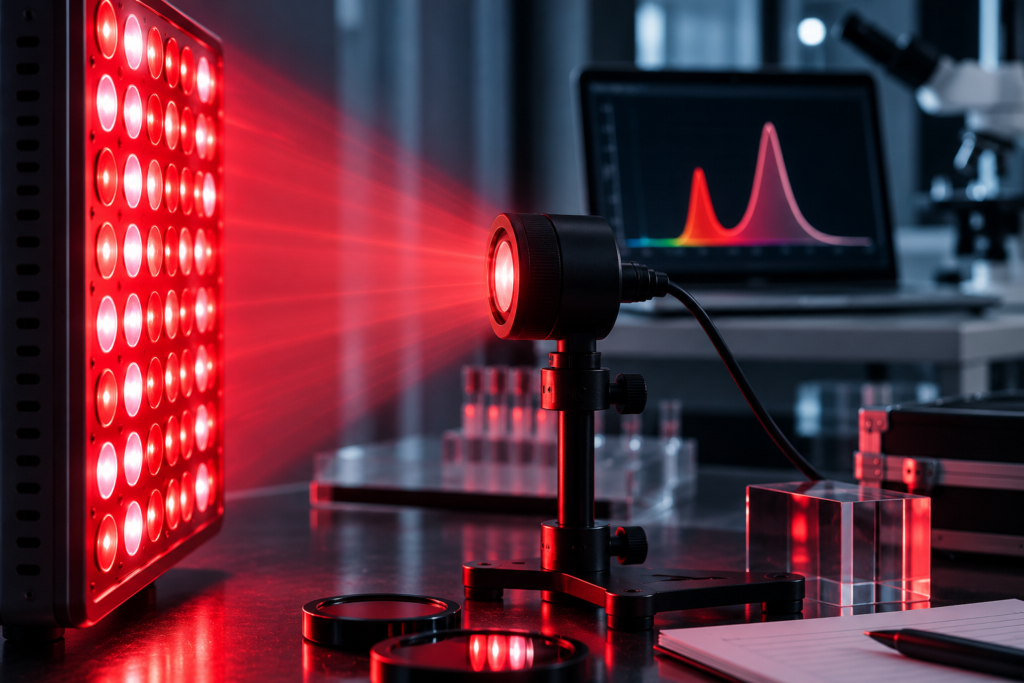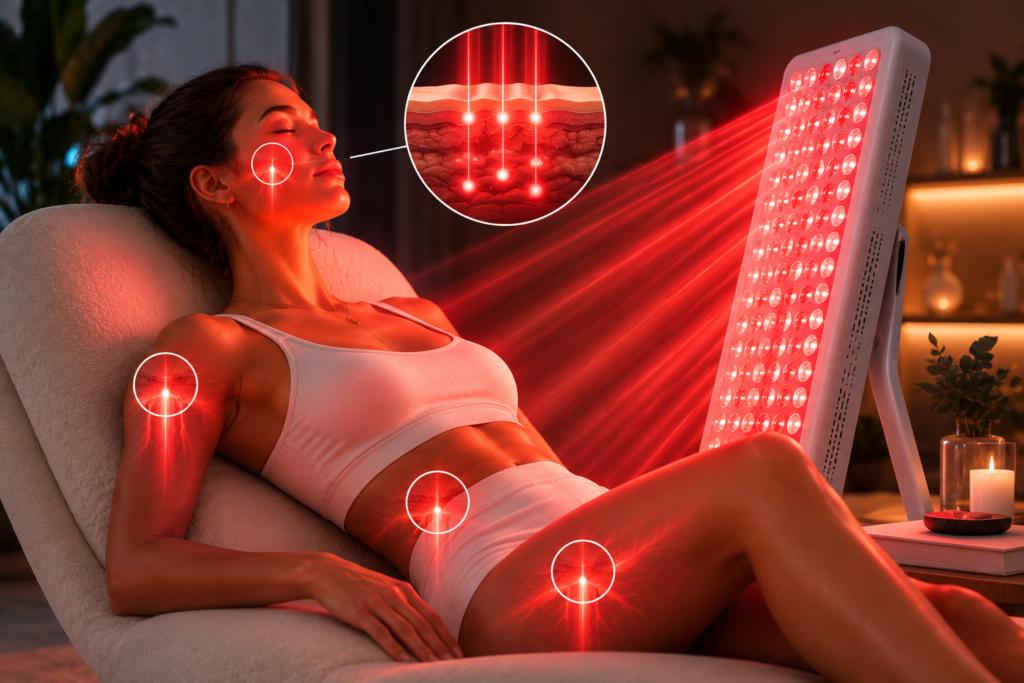
A calm, predictable wind-down is one of the most consistent recommendations in sleep science. Within that idea, some people wonder whether red light therapy — the use of low-intensity red and near-infrared light — can play a role in helping the body relax before bed. This article looks at that question honestly, separating what is plausible from what is proven, and emphasizing the part of the routine that genuinely tends to matter: the wind-down habit itself. Studies on red light therapy relaxation before bed have drawn increasing attention from researchers.
The short version is that red light therapy may fit into a relaxing pre-bed ritual for some people, but the calming routine you build around it is likely the active ingredient. Red light therapy is not a treatment for insomnia or any sleep disorder, and it does not guarantee better sleep. When examining red light therapy relaxation before bed, it helps to look carefully at the underlying research.
Why a Wind-Down Routine Matters
Sleep tends to come more easily when the hour before bed is calm, consistent, and free of stimulation. General sleep-hygiene guidance from sources such as the Sleep Foundation emphasizes a relaxing pre-bed routine, a consistent schedule, and a comfortable, dim environment. These habits help signal to the body that the day is ending. [source] The evidence around red light therapy relaxation before bed remains an active area of investigation.
This matters for understanding red light therapy. If a short, quiet red light session becomes the cue that begins your wind-down — the moment you put down your phone, dim the lights, and slow your breathing — then much of the benefit may come from the ritual and the calm it creates, not from the light acting directly on sleep. For those exploring red light therapy relaxation before bed, setting realistic expectations matters.
What the Evidence Actually Shows
It is important to be candid about the state of the research. Direct evidence that red light therapy improves sleep is very limited. The most frequently cited human study is a small randomized controlled trial in a specific group of Chinese female basketball players, which reported improvements in sleep quality measures after a two-week program of red light exposure. While interesting, a single small trial in one narrow population cannot establish that red light therapy reliably improves sleep for the general public. [source] Understanding red light therapy relaxation before bed requires separating marketing claims from published data.
So the responsible framing is this: red light therapy may support a relaxing pre-bed routine, and one small trial offers preliminary, limited signals. It is not a proven remedy, and anyone with ongoing sleep problems should look first to well-established sleep habits and, where needed, a healthcare professional. Anyone researching red light therapy relaxation before bed will find the science is still developing.
The Light Itself: A Few Useful Distinctions
People often blur several different things under the umbrella of light and sleep. It helps to keep three ideas separate. [source] The current state of red light therapy relaxation before bed research points to early, modest findings.
Red and Near-Infrared Photobiomodulation
This is what most people mean by red light therapy: devices delivering red (around 660 nm) and near-infrared (around 850 nm) light to the skin. According to Cleveland Clinic, red light therapy uses low levels of these wavelengths to influence cells without damaging the skin. Its relationship to sleep is not well established. Interest in red light therapy relaxation before bed has grown alongside broader photobiomodulation research.
Evening Light Hygiene
Separately, dimming lights and avoiding bright, blue-heavy light in the evening is a well-supported sleep habit. One practical reason red-toned ambient light is sometimes preferred at night is that red wavelengths appear to suppress the sleep hormone melatonin only minimally compared with brighter blue light. This is about ambient light hygiene, not therapeutic red light devices. Most published reviews on red light therapy relaxation before bed call for larger, better-controlled trials.
Bright Light Therapy Boxes
A third, different tool is the bright light box used to influence circadian rhythm and seasonal mood, delivered to the eyes. That is a distinct practice and should not be confused with red light therapy aimed at the skin. A clear-eyed look at red light therapy relaxation before bed means separating anecdote from controlled evidence.
How Someone Might Use Red Light as a Calming Cue
If you choose to experiment, treat red light therapy as one optional element of a broader wind-down rather than a sleep treatment. Many people use a short session — often several minutes, following the device’s guidance — and pair it with genuinely relaxing activities: slow breathing, light stretching, reading something undemanding, or a warm shower. Keeping the rest of the room dim and screens away tends to reinforce the calm. Consulting a healthcare provider about red light therapy relaxation before bed is always a sensible step.
The goal is consistency and relaxation. A ritual repeated nightly at roughly the same time can become a reliable signal that it is time to slow down. Whether or not the light itself does anything physiological, that predictability supports the conditions in which sleep tends to come more easily. Devices marketed for red light therapy relaxation before bed vary widely in power output and wavelength.
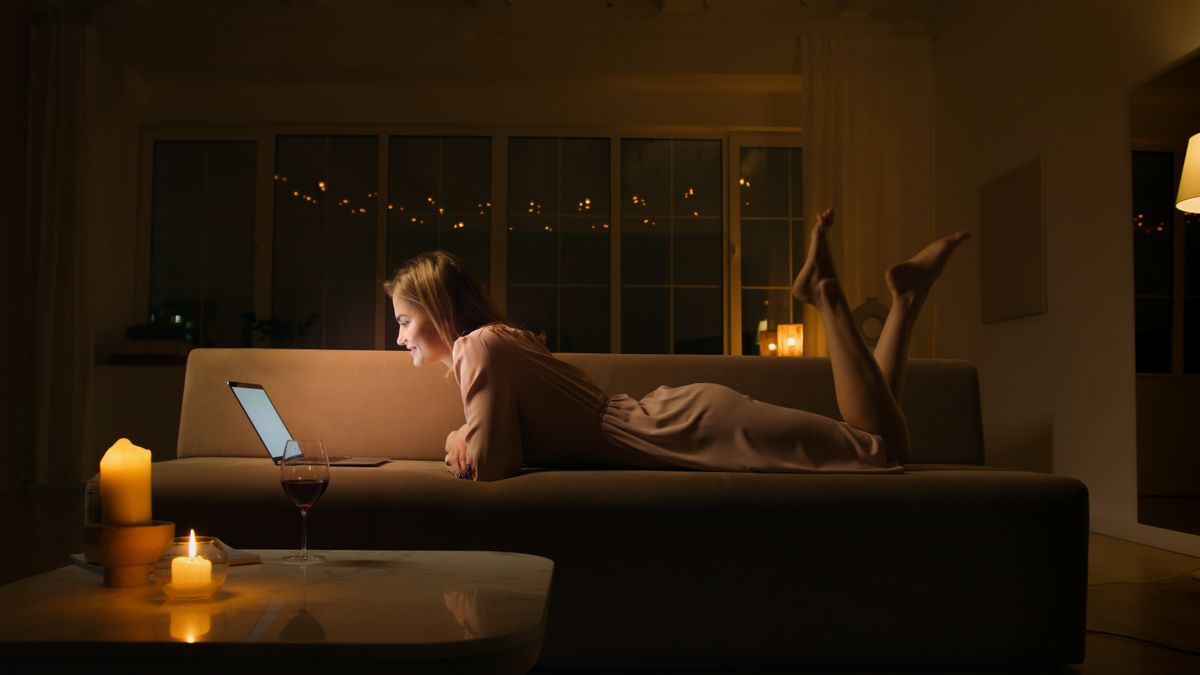
What Red Light Therapy Cannot Do for Sleep
Setting expectations honestly prevents disappointment. Red light therapy is not shown to cure or treat insomnia, sleep apnea, restless legs, or any sleep disorder, and it will not guarantee deeper or longer sleep. It is not a substitute for addressing the common culprits behind poor sleep: irregular schedules, late caffeine, alcohol, stress, an uncomfortable bedroom, or untreated medical conditions. If sleep problems persist for weeks, interfere with daytime functioning, or involve loud snoring and gasping, those are reasons to consult a professional rather than to add another gadget. Practitioners field frequent questions about red light therapy relaxation before bed from clients.
Building the Routine Around the Habit, Not the Device
Because the wind-down habit is the part most clearly supported by evidence, it makes sense to design your evening around it. A workable approach is to choose a fixed wind-down start time, dim the lights, set screens aside, and follow a short sequence of calming activities. If a brief red light session helps you mark the start of that sequence and you find it pleasant, it can be included — but the structure, calm, and consistency are doing the heavy lifting. Studies on red light therapy relaxation before bed have drawn increasing attention from researchers.
This mindset also protects you from a common trap: assuming that buying a device will fix sleep on its own. It rarely does. The people most likely to sleep well are those who protect a regular schedule, keep the bedroom cool, dark, and quiet, get daylight and movement during the day, and manage stress — with or without any light device. When examining red light therapy relaxation before bed, it helps to look carefully at the underlying research.
A Simple Wind-Down Sequence to Try: Red light therapy relaxation before bed Notes
If you would like a concrete starting point, a gentle, repeatable sequence can help anchor the evening. Choose a wind-down start time roughly thirty to sixty minutes before you intend to sleep, and treat it as a soft boundary you keep most nights. Dim the overhead lights and lower the brightness on any device you still need. Step away from stimulating screens and email. Move through a few calm activities in the same rough order each night — perhaps a warm shower, a little light stretching, then reading something undemanding in low light. If you choose to include a short red light therapy session, place it at the very start of this sequence so it becomes the signal that the wind-down has begun, then proceed with the calmer steps.
The value of a sequence like this is not any single element but the repetition. A routine performed at roughly the same time each night becomes a familiar cue, and familiarity is calming. Over a few weeks, the body tends to associate the sequence with the approach of sleep. None of this requires a device, and the sequence works just as well without one — which is precisely why the habit, not the gadget, is the part worth protecting.
A Cautious, Balanced Takeaway
Red light therapy occupies a modest, uncertain place in the conversation about relaxation before bed. The mechanism by which it might affect sleep is not established, the direct evidence is limited to a small trial in a narrow group, and the clearest benefit of any pre-bed ritual comes from the calming habit it anchors. Used with realistic expectations, as one optional piece of a consistent wind-down, it is a low-stakes thing to try. Treated as a cure for sleep problems, it overpromises.
The Bottom Line
A relaxing, consistent pre-bed routine is well worth building, and red light therapy may serve as a calming cue within it for some people. But the wind-down habit — dim lights, no screens, slow activities, a steady schedule — is the active ingredient. Red light therapy is not a treatment for insomnia or sleep disorders and does not guarantee better sleep. If sleep troubles persist, speak with a healthcare professional rather than relying on any device.
Frequently Asked Questions
Does red light therapy help you fall asleep faster?
There is no strong evidence that it reliably helps people fall asleep faster. It may serve as a calming cue within a wind-down routine, but the relaxing habit itself is what tends to matter most.
Is red light therapy a treatment for insomnia?
No. Red light therapy is not a treatment or cure for insomnia or any sleep disorder. Persistent sleep problems should be discussed with a healthcare professional.
Why might red light be used in the evening instead of bright light?
Red wavelengths appear to suppress the sleep hormone melatonin only minimally compared with bright, blue-heavy light, so dim red-toned light is sometimes preferred for evening light hygiene. That is separate from therapeutic red light devices.
How long before bed should a session be?
Follow your device’s guidance. Many people use a short session as the start of their wind-down, but there is no proven optimal timing, so prioritize a calm, consistent routine.
What actually improves sleep the most?
Well-established sleep habits: a consistent schedule, a dim and comfortable bedroom, limiting screens and caffeine at night, daytime activity, and managing stress. Devices are secondary at best.
Ready to get your red light therapy device? See our brand reviews and product reviews, and try out our product comparison tool to inform your decision.