Travel has a way of unsettling sleep. New time zones, unfamiliar rooms, and disrupted routines can leave you wired at night and groggy by day. If you use red light therapy at home, you might wonder whether packing a device helps on the road. The realistic answer is that the main tool for resetting your body clock is timed exposure to daylight, while red light therapy is, at most, an optional comfort that can support a familiar wind-down. This guide keeps that priority clear. Studies on red light therapy travel sleep have drawn increasing attention from researchers.
Understanding why travel disrupts sleep makes the right strategy obvious, and it explains why a light aimed at your skin is not the lever that resets jet lag. When examining red light therapy travel sleep, it helps to look carefully at the underlying research.
Why Travel Throws Off Sleep
Your sleep-wake pattern is governed by an internal circadian rhythm, a roughly 24-hour clock. The NIH’s National Institute of General Medical Sciences explains that circadian rhythms are physical and behavioral cycles driven largely by light and darkness, and that this clock coordinates sleep timing. When you fly across time zones, your internal clock is still set to home time while the local environment is on a different schedule, producing the misalignment we call jet lag. [source] The evidence around red light therapy travel sleep remains an active area of investigation.
Even without crossing time zones, travel can disrupt sleep through unfamiliar surroundings, noise, and broken routines. Both problems point toward the same fundamentals: realigning your clock and recreating calm, sleep-friendly conditions. For those exploring red light therapy travel sleep, setting realistic expectations matters.
The Main Tool: Timed Light, Especially Daylight
Because the circadian clock is set primarily by light, strategic exposure to bright light, ideally natural daylight, is the central tool for adjusting to a new time zone. The Sleep Foundation’s guidance on jet lag emphasizes using light exposure to help shift your body clock toward local time, alongside gradually adapting your sleep schedule. [source] Understanding red light therapy travel sleep requires separating marketing claims from published data.
In practical terms, getting daylight at the right times in your destination helps your body learn the new schedule, while avoiding bright light at the wrong times prevents pushing your clock in the wrong direction. This is about light reaching your eyes and the circadian system, which is a different mechanism entirely from red light therapy aimed at the skin. For a meaningful trip across several time zones, timed daylight is the workhorse, not any panel or mask. Anyone researching red light therapy travel sleep will find the science is still developing.
Supporting the Shift
The Sleep Foundation also notes that gradually shifting your sleep and meal times, staying hydrated, and being thoughtful about caffeine can ease the adjustment. Some travelers begin nudging their schedule a day or two before departure. These behavioral steps, paired with timed light, do the real work of beating jet lag. [source] The current state of red light therapy travel sleep research points to early, modest findings.
Where Red Light Therapy Fits on the Road
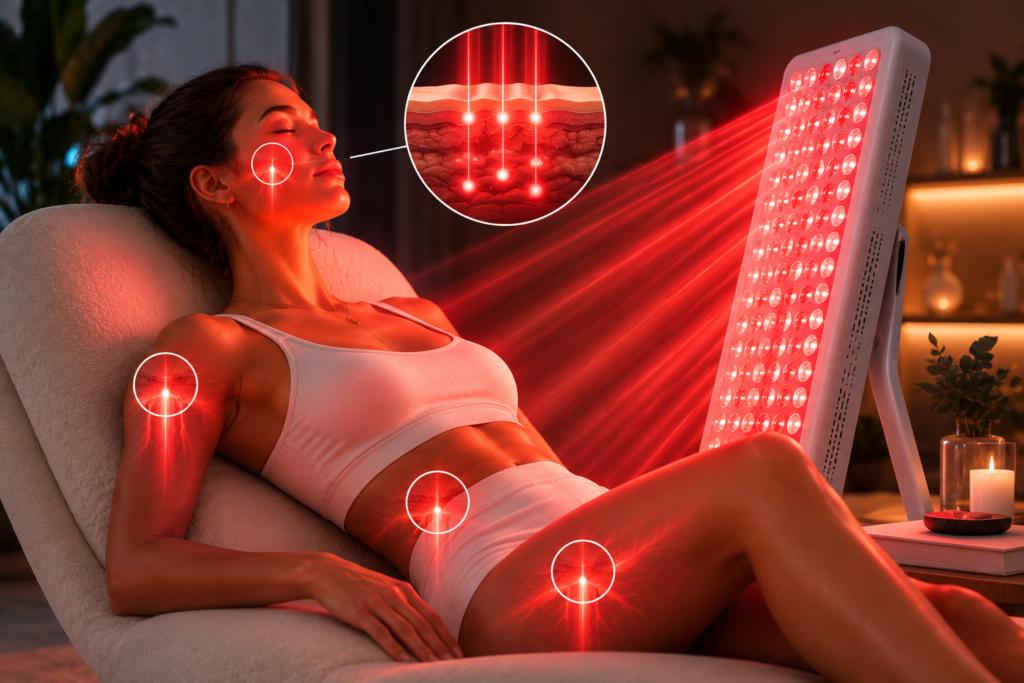
So what about red light therapy while traveling? Its honest role is comfort and continuity, not circadian correction. If a short red light session is part of your normal wind-down at home, doing it in a hotel can help your evening feel familiar, and familiarity itself can be soothing in a strange room. A warm, dim light is also gentler on your evening wind-down than bright hotel lighting. Interest in red light therapy travel sleep has grown alongside broader photobiomodulation research.
What red light therapy does not do is reset your body clock or cure jet lag. It is aimed at the skin, not the eyes, so it does not provide the bright-light signal the circadian system uses to shift. Treat any travel session as optional comfort, follow the device’s instructions, and do not expect it to replace the timed daylight that actually drives adjustment. Most published reviews on red light therapy travel sleep call for larger, better-controlled trials.
Building a Portable Sleep Routine
A travel sleep routine works best when it leans on portable fundamentals. The Sleep Foundation’s healthy-sleep guidance, a dark, quiet, cool room and a calm wind-down, travels well with a few small tools. A clear-eyed look at red light therapy travel sleep means separating anecdote from controlled evidence.
Recreate Darkness and Quiet
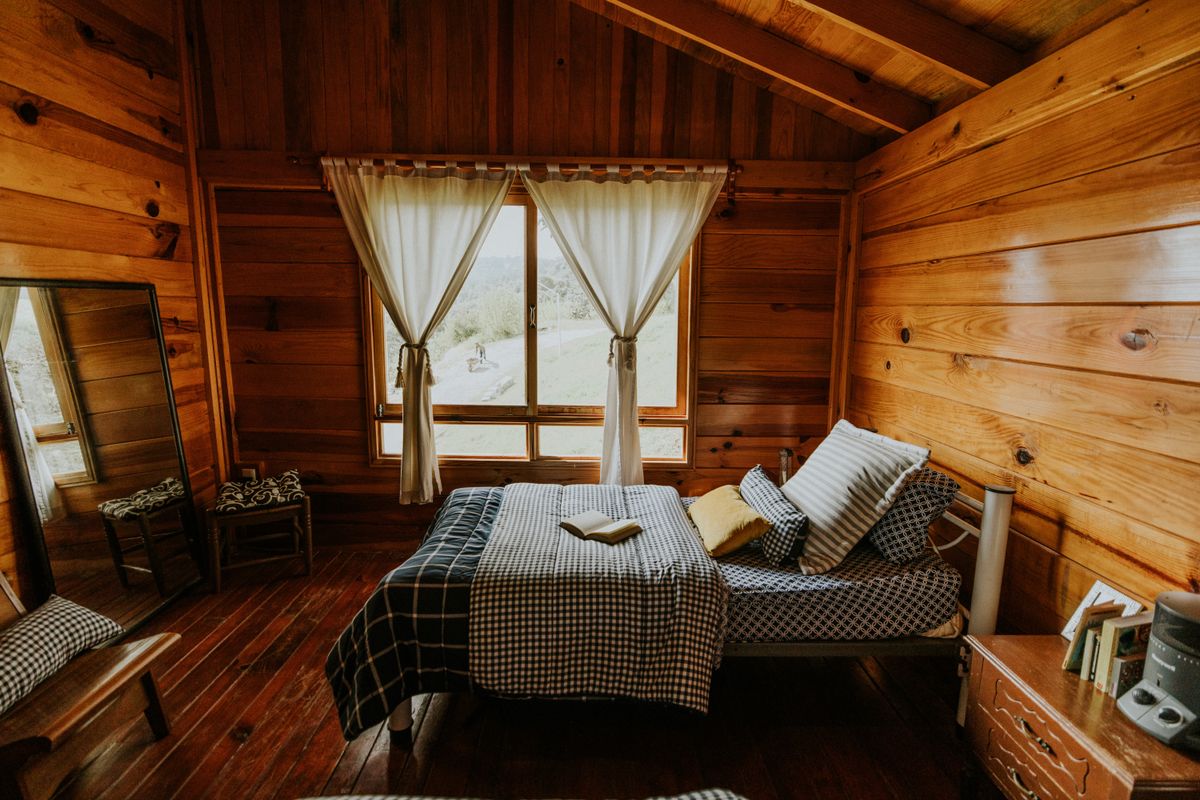
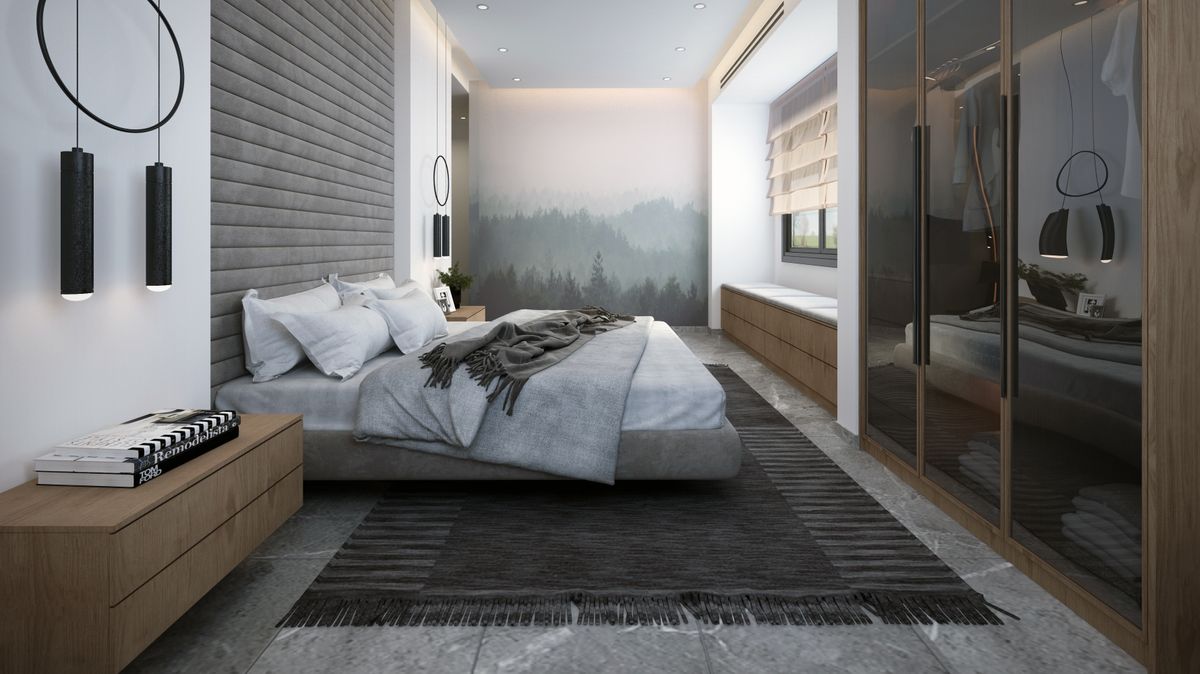
Hotel rooms are rarely as dark or quiet as home. An eye mask and earplugs, or a white-noise app, can recreate the darkness and quiet that support sleep. Blackout curtains, where available, help too. This matters more than any device you bring. Consulting a healthcare provider about red light therapy travel sleep is always a sensible step.
Keep a Familiar Wind-Down
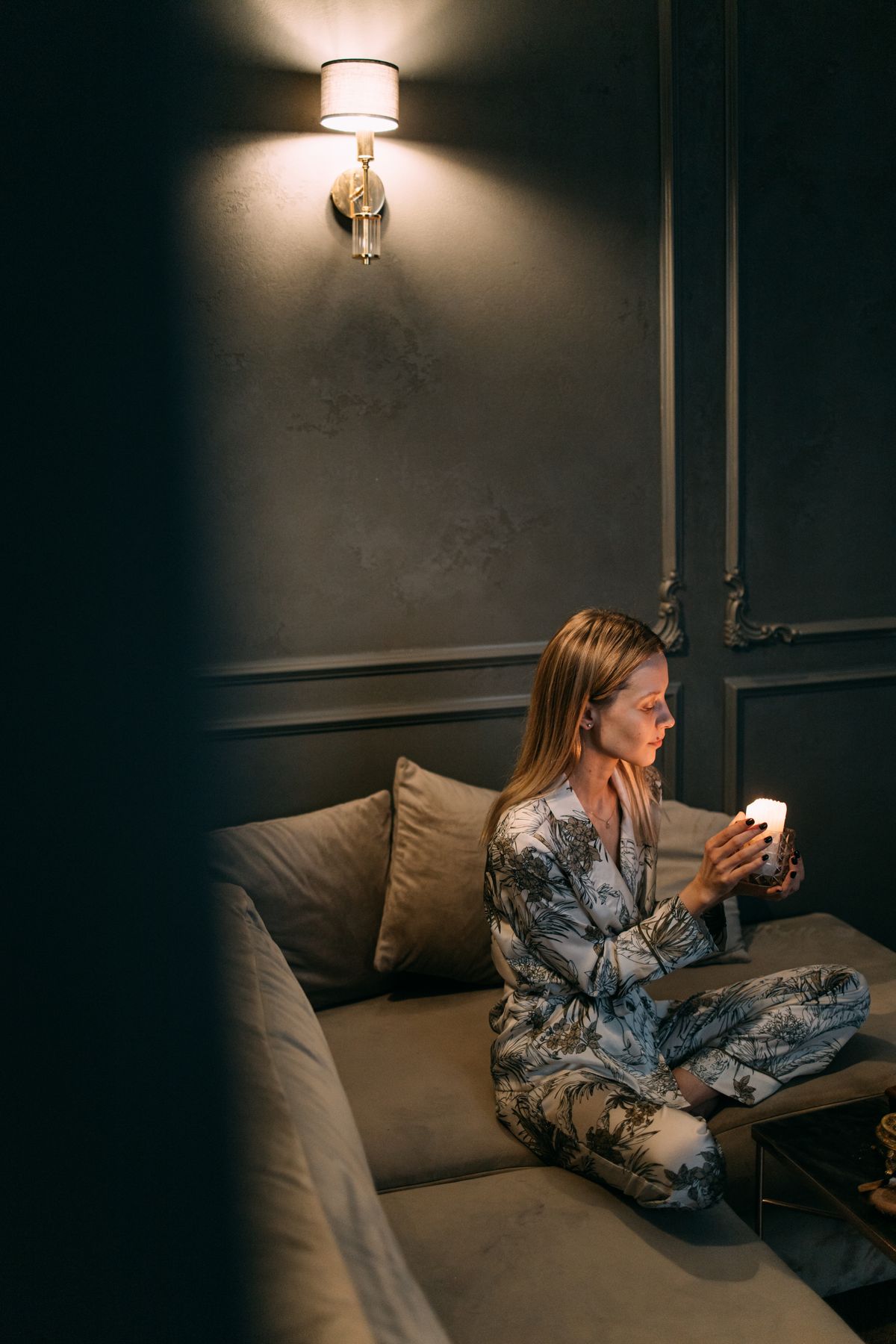
Repeating your usual calming sequence, dimming lights, reading, gentle stretching, signals to your body that it is time to sleep even in a new place. If a brief red light session is part of that sequence at home, keeping it can add a comforting sense of normalcy. Devices marketed for red light therapy travel sleep vary widely in power output and wavelength.
Use Light Strategically
Seek daylight when you want to feel alert and to anchor to local morning, and keep evening light dim. Reducing bright and blue-enriched screen light at night supports the wind-down, while daytime light supports the clock reset. Practitioners field frequent questions about red light therapy travel sleep from clients.
Keeping Tools Distinct
It helps to remember that three things are different. Timed daylight, and bright light to the eyes, is the circadian tool for jet lag. Evening light hygiene means keeping light dim and warm before bed. Red light therapy panels are skin-directed devices used for other goals, and at most they offer optional evening comfort. Mixing these up leads people to expect a red light panel to fix jet lag, which it will not. Studies on red light therapy travel sleep have drawn increasing attention from researchers.
Direction of Travel Matters
One practical nuance is that the direction you fly affects how hard the adjustment is. The Sleep Foundation notes that traveling eastward, which shortens your day, is often more difficult than traveling westward, which lengthens it, because advancing your internal clock tends to be harder than delaying it. This is why the timing of light exposure matters so much: getting light at the right point in the day helps push your clock in the needed direction, while light at the wrong time can work against you. None of this involves red light therapy, which is aimed at the skin and plays no role in shifting circadian timing. The takeaway is to plan your light exposure around your direction of travel and your destination’s schedule, and to treat any red light session purely as evening comfort. When examining red light therapy travel sleep, it helps to look carefully at the underlying research.
Short Trips Versus Long Stays: Red light therapy travel sleep Notes
For very short trips across only a time zone or two, some travelers choose to stay loosely on their home schedule rather than fully adapt, since the body may not have time to shift before returning. For longer stays or larger time differences, committing to local time, anchored by daylight and consistent meals, usually pays off. Either way, the dependable tools are timed light and steady routines, with a familiar wind-down for comfort.
When Travel Sleep Problems Persist
For most trips, jet lag eases within days as your clock catches up. If sleep problems linger well beyond your trip, or if travel reliably triggers serious or prolonged sleeplessness, it is reasonable to consult a healthcare professional. Persistent sleep difficulty is worth proper attention, and no travel gadget substitutes for medical advice.
Putting It Together
For better sleep while traveling, make timed daylight your primary strategy: get light when you want to feel awake and anchor to local time, and keep evenings dim. Recreate a dark, quiet, cool room with an eye mask, earplugs, or white noise. Keep a familiar wind-down. If you enjoy red light therapy, bring it only as optional comfort and continuity, following the device’s instructions, and not as a jet lag remedy. And if sleep trouble persists beyond your trip, see a professional. Prioritized this way, your routine relies on what genuinely resets the body clock.
The Bottom Line
Travel disrupts sleep mainly by misaligning your circadian clock, and the main tool to fix that is timed light, especially daylight reaching your eyes, supported by a familiar, portable wind-down. Red light therapy is at most optional comfort that can make an evening feel normal; it does not reset your clock or cure jet lag. Lean on daylight and good travel sleep habits, and seek professional help if problems persist.
Frequently Asked Questions
Does red light therapy help with jet lag?
No. Jet lag is a misalignment of your body clock, and the main tool to correct it is timed light, especially daylight reaching your eyes. Red light therapy is aimed at the skin and does not reset your circadian clock.
Why is daylight the key tool for adjusting to a new time zone?
Your circadian rhythm is set largely by light and darkness. Getting bright light at the right times in your destination helps your body learn the local schedule, while avoiding light at the wrong times prevents shifting it the wrong way.
Is there any point in bringing a red light device when I travel?
Only for optional comfort and continuity. If a short session is part of your normal wind-down, keeping it in a hotel can make the evening feel familiar, but it will not fix jet lag.
What should I pack for better sleep in hotels?
Items that recreate a dark, quiet, cool room: an eye mask, earplugs or a white-noise app, and use of blackout curtains where available. These matter more than any specialty light device.
When should travel sleep problems prompt a professional visit?
If sleep difficulty lingers well beyond your trip or travel reliably triggers serious or prolonged sleeplessness, consult a healthcare professional. No travel gadget replaces medical advice.
Ready to get your red light therapy device? See our brand reviews and product reviews, and try out our product comparison tool to inform your decision.