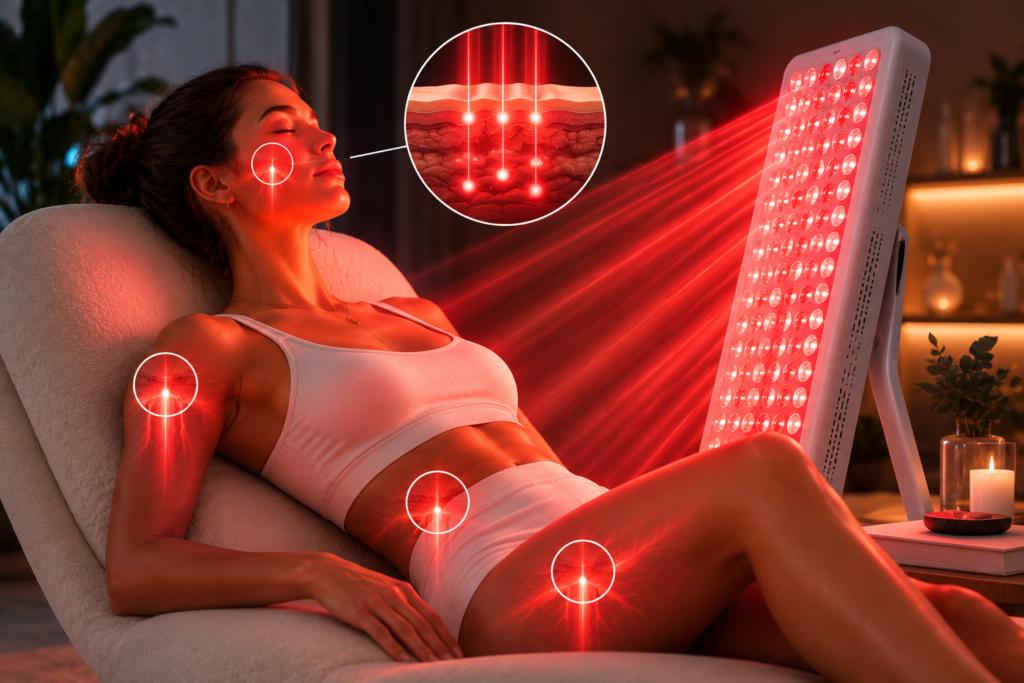

Red light therapy is often folded into evening routines in the hope that it might help with winding down. The idea is reasonable, but the way people use light at night can quietly work against sleep rather than for it. The biggest risks usually have little to do with red light itself and everything to do with the surrounding habits: light that is too bright, too blue, or used at the wrong time, inside a routine that keeps the mind switched on. Studies on red light therapy sleep mistakes have drawn increasing attention from researchers.
This article walks through the most common mistakes and how to avoid them. The framing throughout is cautious and honest. Red light therapy may support a calming wind-down for some people, but the evidence is very limited, and it should never be treated as a cure for insomnia or any sleep disorder. If sleep problems are persistent, that is a conversation for a healthcare professional, not a device. When examining red light therapy sleep mistakes, it helps to look carefully at the underlying research.
First, Separate the Different Kinds of Light
A lot of confusion comes from lumping together very different things under the word light. It helps to keep three categories distinct. The first is red and near-infrared photobiomodulation — the low-intensity devices marketed as red light therapy, aimed at the skin and tissues. The second is everyday evening light hygiene, which is about dimming bright, blue-heavy light from overhead bulbs, phones, and screens as bedtime approaches. The third is bright light therapy boxes, which deliver intense light to the eyes and are studied mainly for circadian and seasonal purposes, typically used earlier in the day rather than at night. [source] The evidence around red light therapy sleep mistakes remains an active area of investigation.
These are not interchangeable. Many sleep-related mistakes happen when someone treats a red light device as if it could override poor light hygiene, or assumes that any glowing device near bedtime is helping. Keeping the categories separate makes the mistakes easier to spot. For those exploring red light therapy sleep mistakes, setting realistic expectations matters.
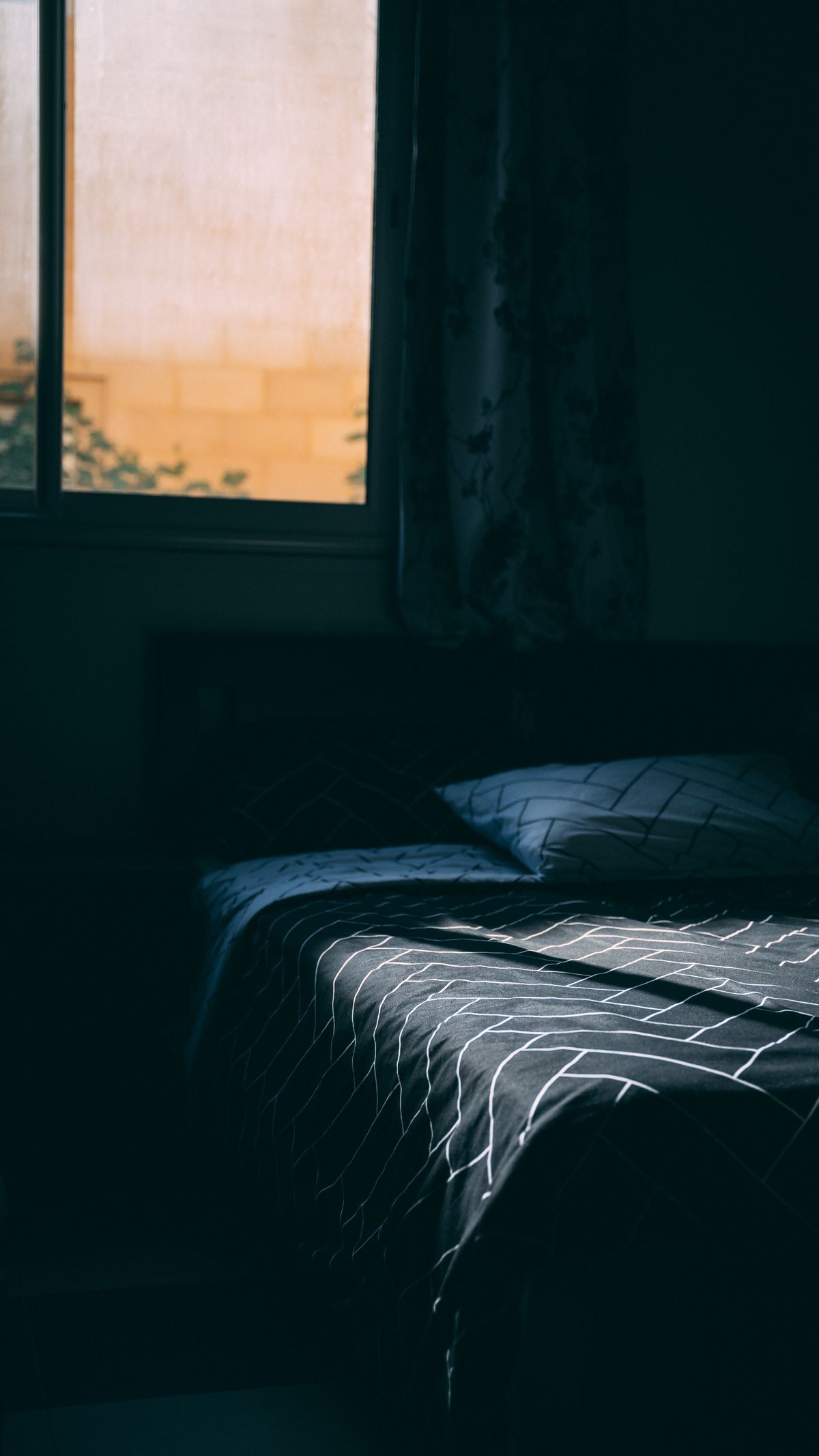
Mistake 1: Using Bright or Blue-Heavy Light Late at Night
This is the single most important error, and it often has nothing to do with a red light device. Exposure to bright light in the evening — especially blue-rich light from screens, LED bulbs, and many electronics — can interfere with the body’s natural transition toward sleep. The Sleep Foundation notes that light is a powerful cue for the body’s internal clock, and that bright light at the wrong time can make it harder to fall asleep. [source] Understanding red light therapy sleep mistakes requires separating marketing claims from published data.
Research underscores how sensitive we are. A study by Gooley and colleagues found that exposure to ordinary room light before bedtime suppressed the onset of melatonin, the hormone associated with sleep timing, and shortened the window during which it was elevated overnight. In other words, even light you might consider unremarkable can nudge your internal clock in the wrong direction. Anyone researching red light therapy sleep mistakes will find the science is still developing.
The practical lesson: the goal of an evening light routine is to reduce bright and blue-heavy light as bedtime nears. If a red light session is conducted in a brightly lit room, with screens blazing and overhead lights on, the surrounding light may matter far more than the device. Red wavelengths are thought to suppress melatonin only minimally, but that potential advantage is easily undone by a bright, stimulating environment. The current state of red light therapy sleep mistakes research points to early, modest findings.
Mistake 2: Treating a Glowing Screen Like a Wind-Down Aid
People sometimes pair a red light session with scrolling on a phone or watching something on a tablet, reasoning that they are relaxing. The screen, however, is exactly the kind of bright, blue-heavy light that evening light hygiene aims to limit. The Sleep Foundation describes blue light as particularly influential on alertness and the body clock, which is why screens close to bedtime are commonly discouraged. [source] Interest in red light therapy sleep mistakes has grown alongside broader photobiomodulation research.
If you want a session to feel like part of winding down, it is worth treating the screen as the thing to put away, not the thing to keep nearby. A device emitting calm red light cannot offset a phone held inches from your eyes. Most published reviews on red light therapy sleep mistakes call for larger, better-controlled trials.
Mistake 3: Inconsistent Timing From Night to Night
The body’s internal clock thrives on regularity. General sleep guidance from the Sleep Foundation emphasizes consistency — going to bed and waking at similar times — as a foundation of healthy sleep. The same principle applies to any wind-down ritual you build around it. [source] A clear-eyed look at red light therapy sleep mistakes means separating anecdote from controlled evidence.
A common mistake is using red light therapy at wildly different times: 9 p.m. one night, midnight the next, skipped entirely the night after. Erratic timing makes it hard for a ritual to function as a calming cue, and it works against the steady rhythm that supports sleep in the first place. If you choose to include red light therapy in your evening, doing so at a reasonably consistent time is more sensible than treating it as an occasional rescue. Consulting a healthcare provider about red light therapy sleep mistakes is always a sensible step.
Mistake 4: Overstimulating Sessions Right Before Bed
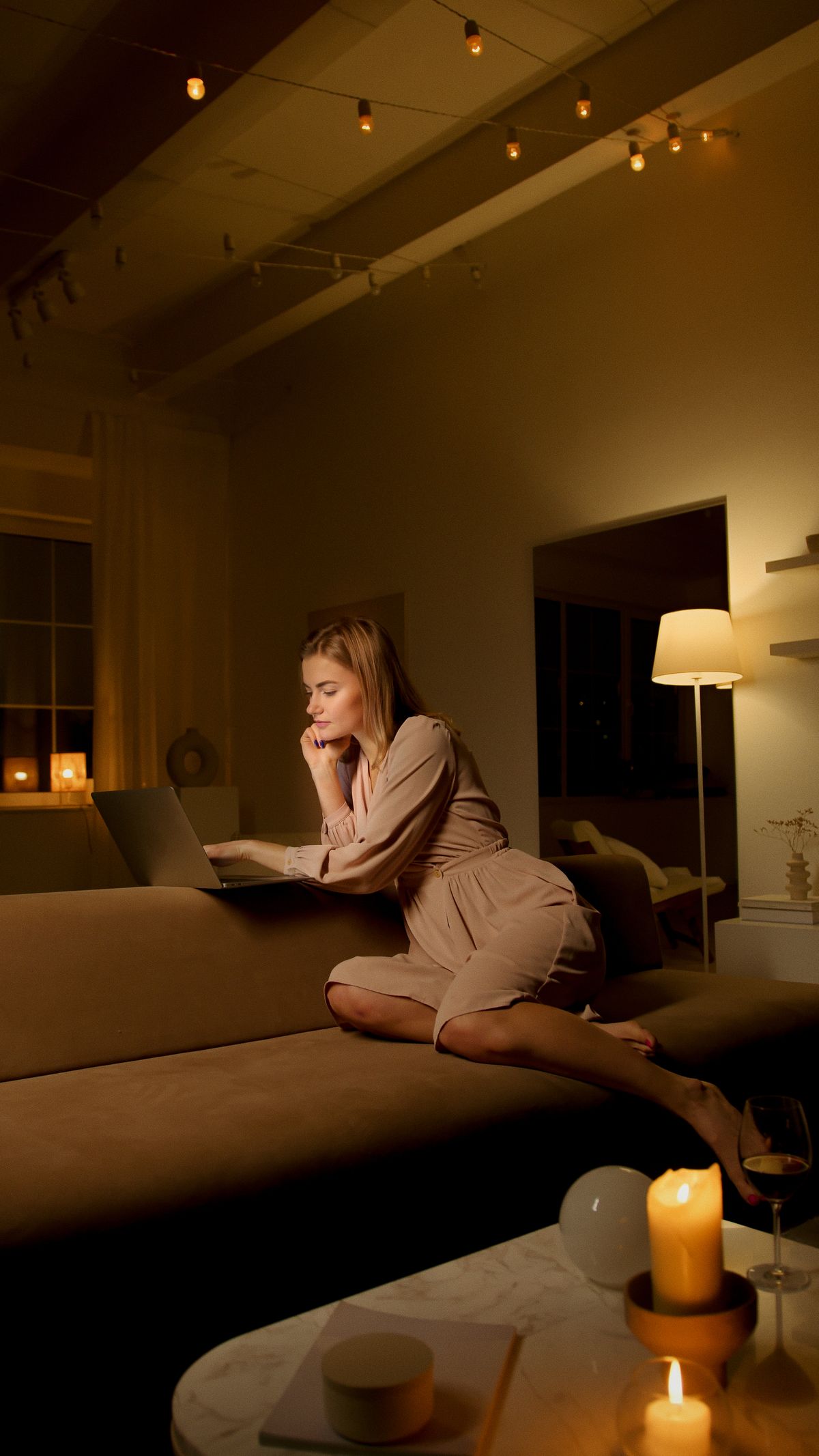
The point of a wind-down is to slow down. Yet sessions are sometimes turned into something energizing: long, intense exposures; multitasking; bright surroundings; or pairing the session with stimulating activity. None of that supports a transition toward sleep. Devices marketed for red light therapy sleep mistakes vary widely in power output and wavelength.
A calmer approach treats the session as a quiet, low-key moment — modest in length, in a dimly lit room, without screens or demanding tasks. The aim is to feel settled afterward, not revved up. Keep in mind that red light therapy itself is not proven to improve sleep; at best, a calm session may serve as a relaxing routine cue, and a frantic one undermines even that modest role. Practitioners field frequent questions about red light therapy sleep mistakes from clients.
Mistake 5: Expecting Red Light to Fix a Sleep Problem
Perhaps the most consequential mistake is one of expectation. Red light therapy is sometimes marketed as a sleep solution, but the supporting evidence is very limited — largely a single small randomized controlled trial in a specific athletic population, which is not a basis for broad claims. It does not treat or cure insomnia or any sleep disorder, and it should not delay appropriate care. Studies on red light therapy sleep mistakes have drawn increasing attention from researchers.
If you regularly struggle to fall asleep or stay asleep, feel unrefreshed despite adequate time in bed, or suspect a sleep disorder, the right step is to speak with a healthcare professional. Red light therapy is, at most, an optional part of a wind-down routine for some people — not a replacement for medical evaluation or evidence-based care. When examining red light therapy sleep mistakes, it helps to look carefully at the underlying research.
Building a Better Evening Instead
Avoiding these mistakes mostly means getting the fundamentals right. Dim the lights as bedtime approaches and reduce blue-heavy light from screens and bright bulbs. Keep your sleep and wake times reasonably consistent. Treat any red light session as a brief, calm ritual rather than an energizing or screen-filled event. And anchor everything in realistic expectations: the surrounding light environment and your habits almost certainly matter more for sleep than the device does.
Approached this way, a red light session can fit into a calming routine without crowding out the practices that genuinely support sleep. The device is the optional flourish; the dim, consistent, unstimulating evening is the foundation.
A Quick Self-Check Before Bed
If you want a simple gut-check, ask three questions as the evening winds down. Is the room dim and free of bright, blue-heavy light and screens? Is this happening at a roughly consistent time? And is the session calming rather than stimulating? If the answer to all three is yes, you have sidestepped the most common mistakes. If not, the fix is usually in the environment and timing, not in changing the device.
A Word of Caution: Red light therapy sleep mistakes Notes
Nothing here should be read as a promise that red light therapy improves sleep. The evidence is very limited, and red light therapy does not treat or cure insomnia or sleep disorders. It may, for some people, fit into a relaxing wind-down, but it is not a substitute for medical care. Anyone with persistent sleep difficulties, or who is pregnant, takes medication that increases light sensitivity, or has a relevant eye or medical condition, should consult a healthcare professional before relying on any light-based routine.
The Bottom Line
The mistakes that disrupt sleep are rarely about red light itself. They are about bright or blue-heavy light late at night, screens treated as relaxation, erratic timing, overstimulating sessions, and expecting a device to solve a sleep problem. Get the basics right — dim, consistent, calm — and keep expectations modest. That is the most reliable way to protect your sleep, with or without red light therapy.
Frequently Asked Questions
Can red light therapy hurt my sleep?
Red light itself is thought to suppress melatonin only minimally, but how you use it can work against sleep. Bright surroundings, nearby screens, inconsistent timing, and overstimulating sessions can all undermine a calm wind-down.
Is it a mistake to use my phone during a red light session?
It can be. Phone and screen light is bright and blue-heavy, which is exactly what evening light hygiene aims to reduce. A calming session is better done with screens put away.
Does the time I do red light therapy matter for sleep?
Consistency helps. The body’s clock favors regular timing, so doing a wind-down ritual at a reasonably steady time supports the routine more than using it sporadically.
Will red light therapy cure my insomnia?
No. Red light therapy does not treat or cure insomnia or any sleep disorder, and the evidence for sleep benefits is very limited. Persistent sleep problems should be discussed with a healthcare professional.
What matters most for sleep at night, the device or the room?
For most people the room and habits matter more. Dimming bright, blue-heavy light and keeping consistent timing are foundational; a red light device is at most an optional, calming addition.
Ready to get your red light therapy device? See our brand reviews and product reviews, and try out our product comparison tool to inform your decision.