OVERALL
4.2
DEVICES
Red light therapy panels, masks, portable devices, and accessories.
2017
Panels ~ Masks ~ Portable Devices ~ Accessories
$800
590nm-1060nm
About Hooga
Editor's Take
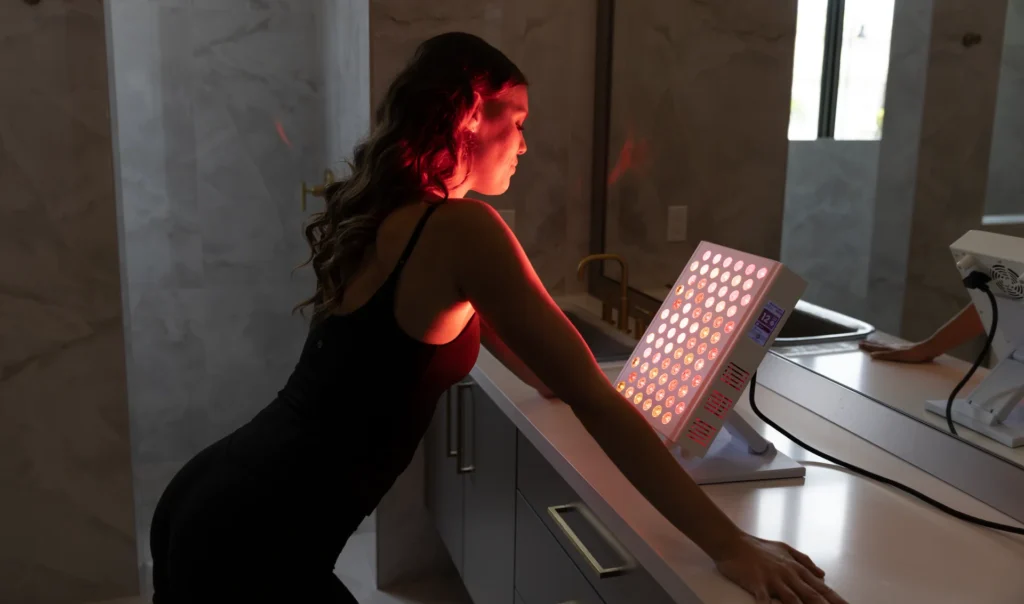
Hooga is an accessible option for buyers who want plenty of red light therapy choices without immediately moving into premium pricing. The lineup covers everything from inexpensive bulbs and small targeted devices to face masks, wraps, several panel series, and larger full-body setups.
The biggest advantage is the range of price points. Someone can start with a basic two-wavelength panel for a little over $100 or move into newer multi-wavelength models with more controls and coverage. The tradeoff is a lineup that can become confusing because wavelengths, features, and warranty coverage vary depending on the exact series.
Hooga has built a broad red light therapy lineup around different budgets and treatment areas. Instead of concentrating entirely on premium panels, the company offers smaller and less expensive ways to get started alongside its larger systems.
Products include bulbs, handheld devices, face masks, wraps, scalp devices, tabletop panels, and larger panels that can be combined with stands for broader body coverage.
The panel lineup itself is divided into multiple series. That gives buyers more control over how much they spend, although it also means two Hooga panels can have noticeably different wavelengths and features even when they look fairly similar at first.
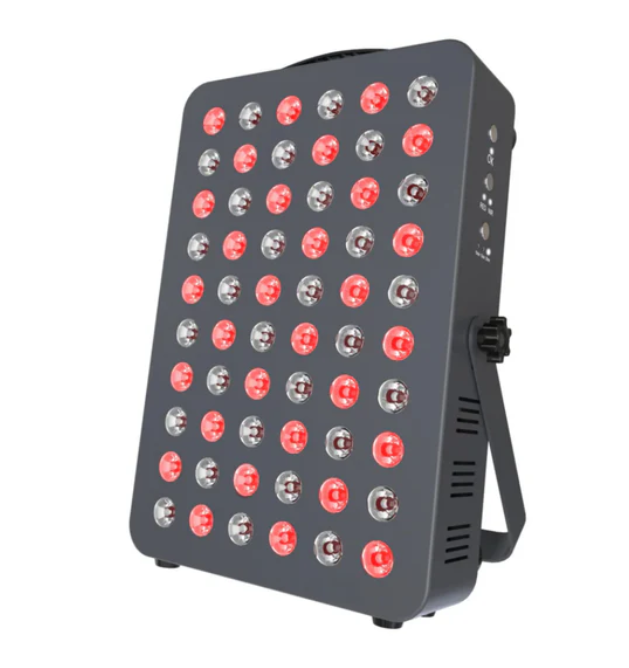
The HG Series is Hooga’s simpler and more affordable panel range. These models primarily use 660nm red and 850nm near-infrared light and focus on the basic functions someone needs from a red light therapy panel without adding a long list of controls.
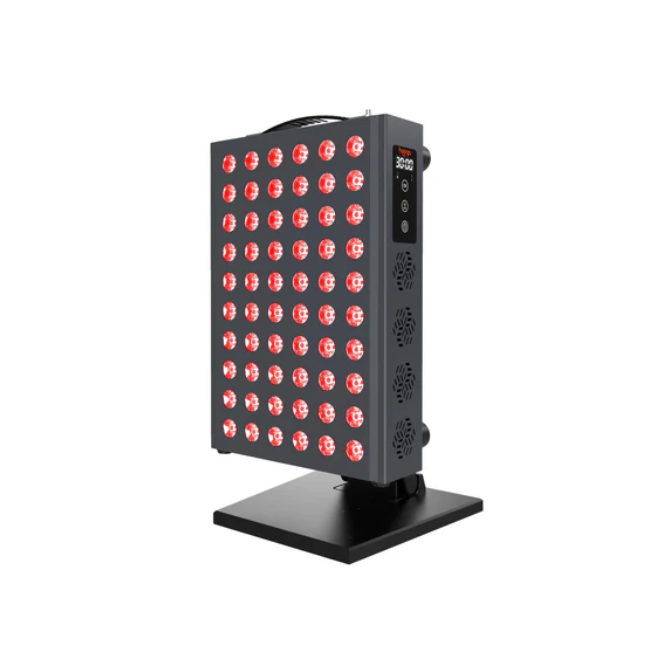
The Ultra Series adds more flexibility. These panels use four wavelengths, including 630nm, 660nm, 810nm, and 850nm. They also provide separate control over red and near-infrared light, adjustable brightness, a timer, and pulsing options.
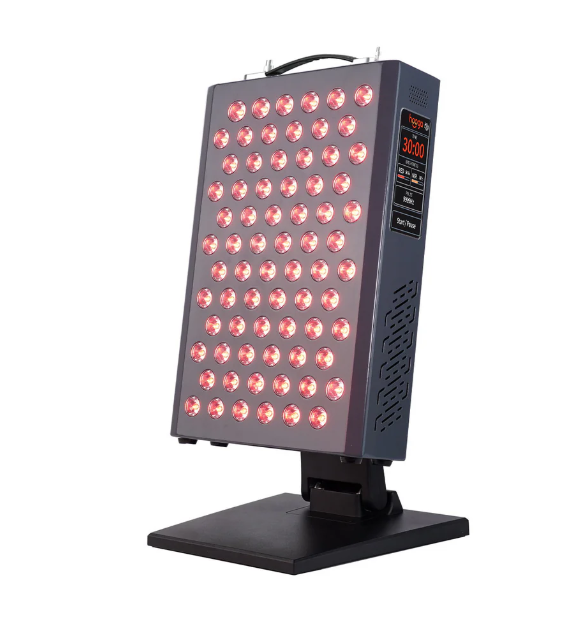
Hooga’s newer Pro300 and Pro750 expand the wavelength selection further with 590nm, 630nm, 660nm, 810nm, 830nm, 850nm, and 1060nm. These models are better suited to buyers who specifically want more wavelength variety without moving into a substantially more expensive system.
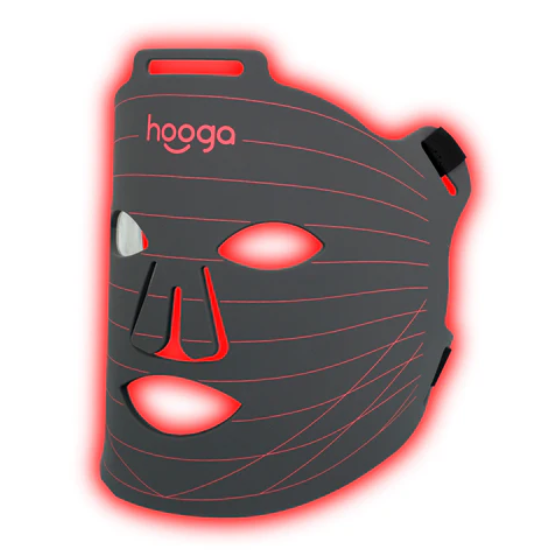
Outside of panels, Hooga sells several more targeted products. Face masks are available for wearable facial sessions, wraps can be positioned around areas such as the back or joints, and handheld devices and bulbs provide smaller treatment options. Hooga also offers devices designed specifically for the scalp.
Hooga does not use the same wavelengths across every product, so the exact specifications depend heavily on the series.
The HG panels keep things simple with 660nm red and 850nm near-infrared light. The Ultra Series expands that to 630nm, 660nm, 810nm, and 850nm, providing two red and two near-infrared wavelengths.
The newer Pro300 and Pro750 go further with seven wavelengths ranging from 590nm to 1060nm. That gives buyers yellow, red, and multiple near-infrared wavelengths within the same panel.
This makes the specific model more important than the Hooga name alone. Someone who wants a straightforward red and near-infrared panel may be perfectly well served by an HG model, while buyers specifically interested in more wavelengths and controls need to look farther up the lineup.
Hooga’s simpler products are relatively straightforward to use. The HG Series is aimed at buyers who do not need extensive customization, while the Ultra and newer Pro models provide additional control for people who want to adjust how their sessions operate.
The range of device formats is useful as well. A wrap or handheld device can make more sense when one area is the priority, while a larger panel reduces the need to move the device repeatedly during broader sessions.
This also gives someone room to start small. A buyer who is new to red light therapy does not necessarily have to purchase a large full-body configuration immediately. A smaller panel or targeted device can provide a less expensive entry point before deciding whether additional coverage is worthwhile.
Pricing is one of Hooga’s more appealing qualities. The company has several products below $200, including smaller devices and entry-level panels.
The HG200, for example, is priced around $119. That creates a relatively inexpensive entry point for someone who mainly wants 660nm red and 850nm near-infrared light without paying for more wavelengths or advanced controls.
Prices increase as panel size and features increase. The Ultra models and newer multi-wavelength Pro panels move into several hundred dollars, while larger full-body configurations become more expensive depending on panel size and the stand or mounting setup.
Hooga’s pricing structure makes it possible to pay for additional features gradually rather than requiring every buyer to purchase a premium system from the beginning. The important part is determining whether the added wavelengths, controls, and coverage of the more expensive models will actually be used.
Hooga is based in the U.S., and free shipping is available on qualifying domestic orders. For American buyers, domestic distribution can simplify delivery and make warranty or replacement issues easier to handle than purchasing directly from an overseas manufacturer.
Setup depends heavily on the product. Smaller devices require little preparation, while larger panels may need a dedicated stand or mounting arrangement depending on how they will be used.
Stand selection becomes more important as panel size increases. Buyers considering a larger setup should factor the positioning hardware into both the total price and the amount of space the system will require.
Hooga offers a 60-day trial on eligible red light therapy devices. That gives buyers more time to evaluate a purchase than the 30-day periods commonly offered elsewhere.
The product needs to be returned in good condition and with its original packaging, so we would keep the box and included materials until the trial period has completely passed.
Warranty coverage varies across the lineup. Many Hooga red light therapy panels receive three years of coverage, while smaller devices and wearable products may have different terms.
Because the warranty is not identical across every Hooga product, buyers should check the coverage attached to the exact model before ordering rather than assuming the three-year panel warranty applies to everything the company sells.
Customer feedback is generally positive, particularly when buyers discuss value. Owners frequently mention that the panels feel well built relative to their prices and provide many of the core functions available from more expensive red light therapy systems.
Customers discuss using Hooga products as part of routines involving exercise recovery, soreness, joints, skin, sleep, relaxation, and general wellness. Some report less soreness or stiffness with consistent use, while others mention changes in skin appearance or simply enjoying the routine.
Not everyone reports a noticeable difference, and individual results vary. The more useful customer feedback comes from long-term comments about how the hardware itself holds up.
There are owners who report using Hooga panels regularly for several years without significant problems. That is encouraging, particularly considering the relatively accessible pricing of some models.
There are also reports involving failed LEDs, noisy fans, controller problems, and devices eventually stopping working. The reliability feedback is therefore not flawless, but there is a meaningful amount of positive long-term ownership feedback as well.
Hooga’s customer support tends to receive positive feedback when hardware problems occur. Owners have reported receiving replacement parts or complete replacement devices when an issue developed within the warranty period.
There are also customers who describe getting quick answers to questions before and after purchasing. That is useful with a lineup this large because buyers may need help understanding the differences between panel series, sizes, or accessories.
Not every experience is positive. Occasional complaints involve delayed responses, shipping issues, or frustration resolving defective products. These complaints are worth considering, although they do not appear to outweigh the positive support experiences in the available feedback.
Hooga gives buyers several ways to enter red light therapy without making a large initial investment. The availability of inexpensive bulbs, targeted devices, and entry-level panels makes the brand more approachable for someone who does not need a large system.
The progression between panel series is useful as well. Buyers can choose a basic two-wavelength setup or spend more for additional wavelengths, pulsing, brightness adjustment, and other controls.
The 60-day trial and three-year warranty on many panels also improve the buying experience, particularly at Hooga’s more accessible price points.
The lineup can feel crowded. Hooga sells several panel series alongside numerous smaller devices, and the differences are not always obvious without comparing specifications closely.
Wavelengths and features also change substantially between panel series. Someone who sees one Hooga model with seven wavelengths should not assume another model from the brand offers the same configuration.
Warranty coverage could be presented more consistently across the lineup as well. Three years on many panels is useful, but smaller and wearable products may have different terms that buyers need to check individually.
There are also some customer reports involving failed LEDs, noisy fans, controller issues, and other hardware problems. Support appears to resolve many warranty issues successfully, but stronger consistency in long-term hardware reliability would improve the overall ownership picture.
Hooga’s strongest argument is affordability combined with choice. Buyers can spend relatively little on a basic device or move gradually into larger panels with more wavelengths, controls, and body coverage.
The brand does not offer the same specifications across every series, so choosing the right Hooga product requires more attention than simply deciding on a panel size. The HG Series is considerably simpler than the Ultra models, while the newer Pro300 and Pro750 introduce a much broader wavelength selection.
Hooga makes the most sense for buyers working within a specific budget who want several device and panel options to compare. Its accessible entry prices, 60-day trial, and generally positive customer feedback give it a practical place in the market, although the crowded lineup and differences between models mean buyers should compare the exact specifications carefully before ordering.
Category
Score
Product Range
Price & Value
Warranty & Returns
Customer Support