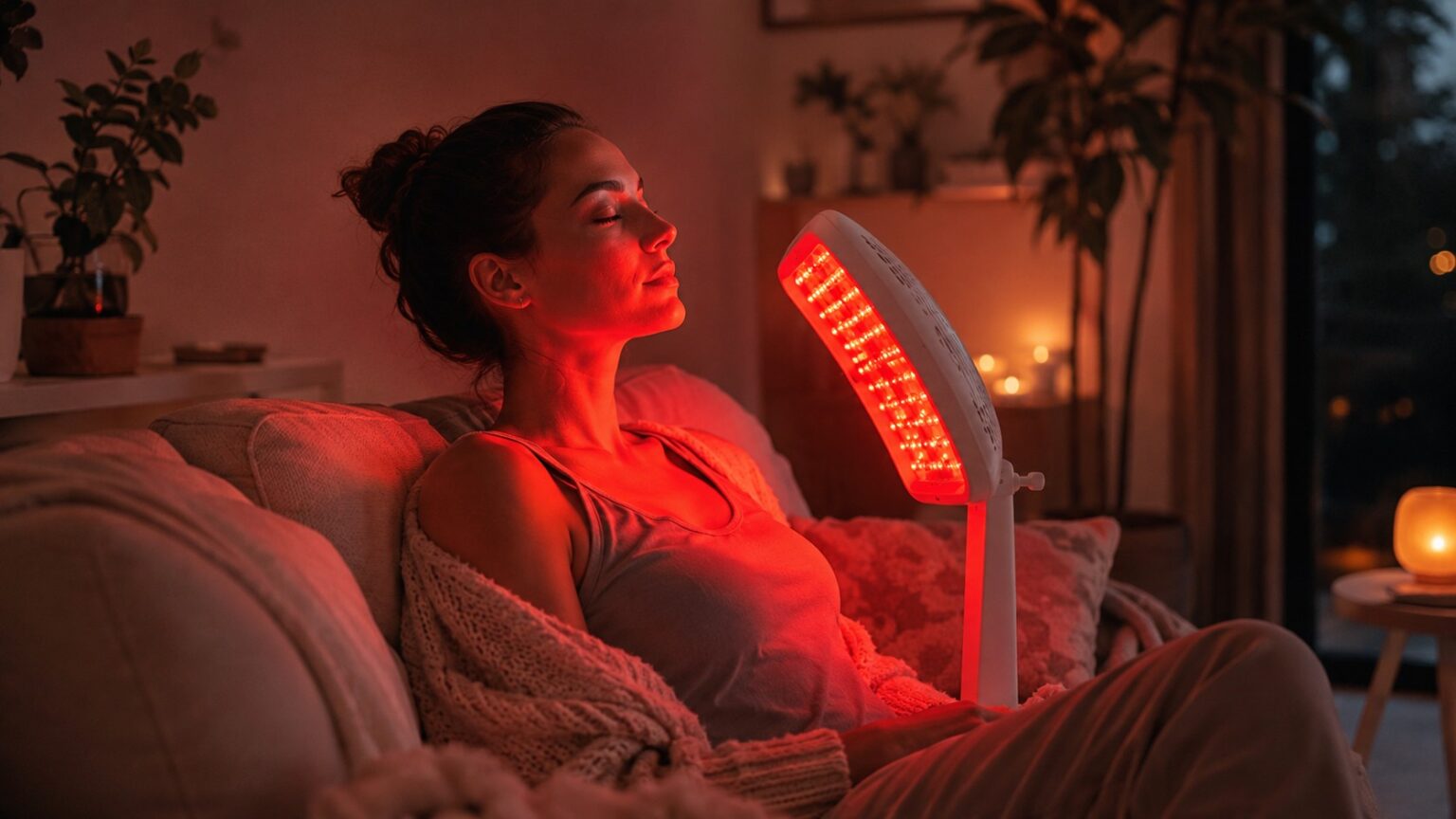
Buying a device is the easy part — building a red light therapy routine you will actually maintain is where most people either succeed or quietly give up. Because the research that reports benefits generally involves consistent use over weeks, a routine you can sustain matters far more than an ambitious schedule you abandon in a fortnight. This guide walks through building a red light therapy routine that fits your real life, from matching sessions to your goals to avoiding the overuse trap.
The aim is a routine that is realistic, low-effort, and grounded in sensible dosing — not a punishing regimen that promises overnight transformation. Done well, red light therapy becomes one small, repeatable habit rather than a chore.
Start With Your Goal, Not the Schedule
A good routine begins with clarity about what you want to support. According to Cleveland Clinic, red light therapy uses low levels of red and near-infrared light to influence cells without damaging the skin, and people pursue a range of goals with it — from the appearance of skin to exercise recovery and everyday comfort.
Your goal shapes your routine in two ways: which area you focus on and which wavelengths matter. Skin-surface goals are commonly matched to red light, while goals involving deeper tissue are commonly matched to near-infrared. Defining a single, clear primary goal keeps your routine focused and makes it far easier to judge whether it is working.
Setting Frequency and Time
How often and how long you use red light therapy should follow your device’s guidance rather than guesswork. Many people use it several times a week, with sessions often lasting somewhere between a few and twenty minutes depending on the device and goal.
Crucially, more is not better. Researchers describe a biphasic dose response, meaning a moderate dose tends to help while too little does nothing and too much can reduce or even reverse the benefit. This single finding should anchor your whole routine: resist the urge to schedule marathon sessions or to use the device many times a day. A sensible, repeatable red light therapy routine frequency that fits the manufacturer’s recommendations is the goal.
A Sustainable Starting Cadence
If you are unsure where to begin, a modest cadence — short sessions several times a week, on bare skin, at the recommended distance and time — is a reasonable default. You can keep this steady for several weeks before deciding whether to adjust anything. Consistency at a moderate dose beats intensity every time.

Fitting It Into Existing Habits
The most reliable routines attach to something you already do. Rather than carving out a brand-new block of time, anchor your sessions to an established habit so the new behavior has a natural cue.
For skin-focused goals, a session during a morning or evening skincare step often fits neatly. For recovery-focused goals, the period after a workout or during an evening wind-down can work well. The specific timing matters less than its reliability: a session you can repeat at roughly the same moment each day is one you are likely to keep. Because sessions are short, they slot into existing routines without much disruption.
Tracking Your Routine
Because effects tend to be gradual and subtle rather than instant, memory is an unreliable judge of progress. A simple tracking habit helps you evaluate your routine fairly. Note the days you use the device, the area treated, the distance and time, and any observations relevant to your goal.
Tracking serves two purposes. It supports consistency by making your habit visible, and it gives you something concrete to review after several weeks. This is especially useful for deeper goals like recovery, where changes can be hard to judge by eye, compared with surface skin goals that may be easier to observe.
Why Consistency Over Weeks Is the Whole Game
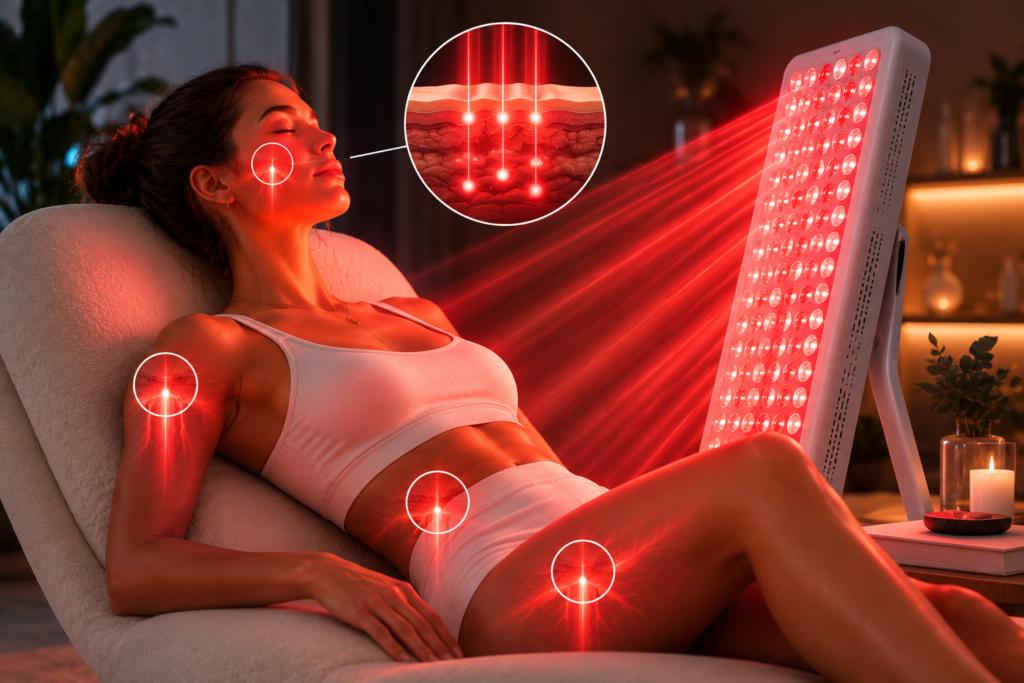
It is worth stating plainly: the studies that report benefits generally involve repeated sessions over weeks, not a single dramatic one. Understanding how red light therapy is thought to work reinforces why. Researchers, including Michael Hamblin and colleagues, propose that red and near-infrared light is absorbed by cellular targets such as cytochrome c oxidase, which may support cellular energy and signaling over time. These are gradual, supportive processes, not switch-like changes.
For your routine, the practical lesson is to commit to a multi-week trial before judging results. Stopping after a few sessions because nothing dramatic happened is a common mistake that the evidence would predict. Patience is part of the method.
Avoiding Overuse
Enthusiasm is the most common threat to a good routine. When early results feel slow, the temptation is to use the device longer, more often, or closer than recommended. The biphasic dosing research argues directly against this: beyond a certain point, more light can reduce rather than increase the benefit. Doubling your sessions is not a shortcut, and it may be counterproductive.
Build your routine so that overuse is structurally unlikely. Decide on a sensible frequency in advance, follow the recommended time, and treat the manufacturer’s guidance as a ceiling rather than a starting line. If you find yourself wanting to escalate, that is usually a cue to be patient, not to do more.

Adjusting the Routine Over Time
A red light therapy routine is not fixed forever — after several consistent weeks, review your tracking notes and decide whether to refine anything. Make changes one at a time so you can tell what, if anything, made a difference. Avoid the impulse to overhaul everything at once or to chase ever-higher doses. Thoughtful, incremental adjustment within the manufacturer’s guidance keeps the routine both safe and informative.
Safety Within Your Routine
A sustainable routine is also a safe one. Red light therapy at appropriate doses is generally considered low-risk for healthy adults, with side effects that tend to be mild and temporary, but it is not automatically safe for everyone. Protect your eyes from bright light, especially with near-infrared-heavy devices, since near-infrared light is invisible and does not trigger the eye’s natural reflex. Anyone who is pregnant, takes medications that increase light sensitivity, or has a relevant skin or eye condition should consult a healthcare professional before building a routine. Red light therapy is a complement to good health habits, not a replacement for medical care.
Setting Realistic Expectations
Finally, calibrate your expectations to the evidence. Effects, when they occur, tend to be gradual and modest rather than instant or transformative, and responses vary from person to person. Evidence is stronger for some uses, especially skin-related ones, than for others, and reviewers consistently call for larger, standardized research. Viewing your routine as one supportive habit within a broader lifestyle — alongside good sleep, movement, and sensible skincare — leads to a healthier and less disappointing experience than expecting it to work on its own.
The Bottom Line
A red light therapy routine that fits your life starts with a clear goal, follows a sensible frequency and time, attaches to an existing habit, and is tracked over several weeks. Because the science points to gradual effects and a biphasic dose response, consistency at a moderate dose — not intensity or frequency — is what matters most. Build in safeguards against overuse, keep expectations realistic, and consult a professional if your health situation calls for it. The best routine is the unremarkable one you can quietly keep up for weeks at a time.
Ready to get your red light therapy device? See our brand and product reviews, and try out our product comparison tool to inform your decision.
Frequently Asked Questions
How often should I use red light therapy in a routine?
Many people use it several times a week, following the device’s guidance. Research shows a moderate dose is ideal, so a sustainable frequency matters more than frequent or long sessions.
What time of day is best for red light therapy?
There is no universally required time. Attaching sessions to an existing habit — like a skincare step or post-workout cooldown — makes the routine reliable, and reliability matters more than the specific hour.
How long before I should expect to see anything?
Effects tend to be gradual, and studies that report benefits generally run for several weeks. Commit to a multi-week trial before judging results, since stopping early is a common mistake.
Can I use red light therapy more than once a day for faster results?
It is not advisable. Research describes a biphasic response in which too much light can reduce the benefit, so following the recommended frequency is wiser than escalating.
Is a daily red light therapy routine safe?
For most healthy adults at appropriate doses it is generally low-risk, but it is not safe for everyone. Follow device guidance, protect your eyes, and consult a healthcare professional if you have relevant conditions.
This article is for general educational purposes only and is not medical advice. Red light therapy is not a substitute for professional care. Talk with a qualified healthcare professional about your individual situation.