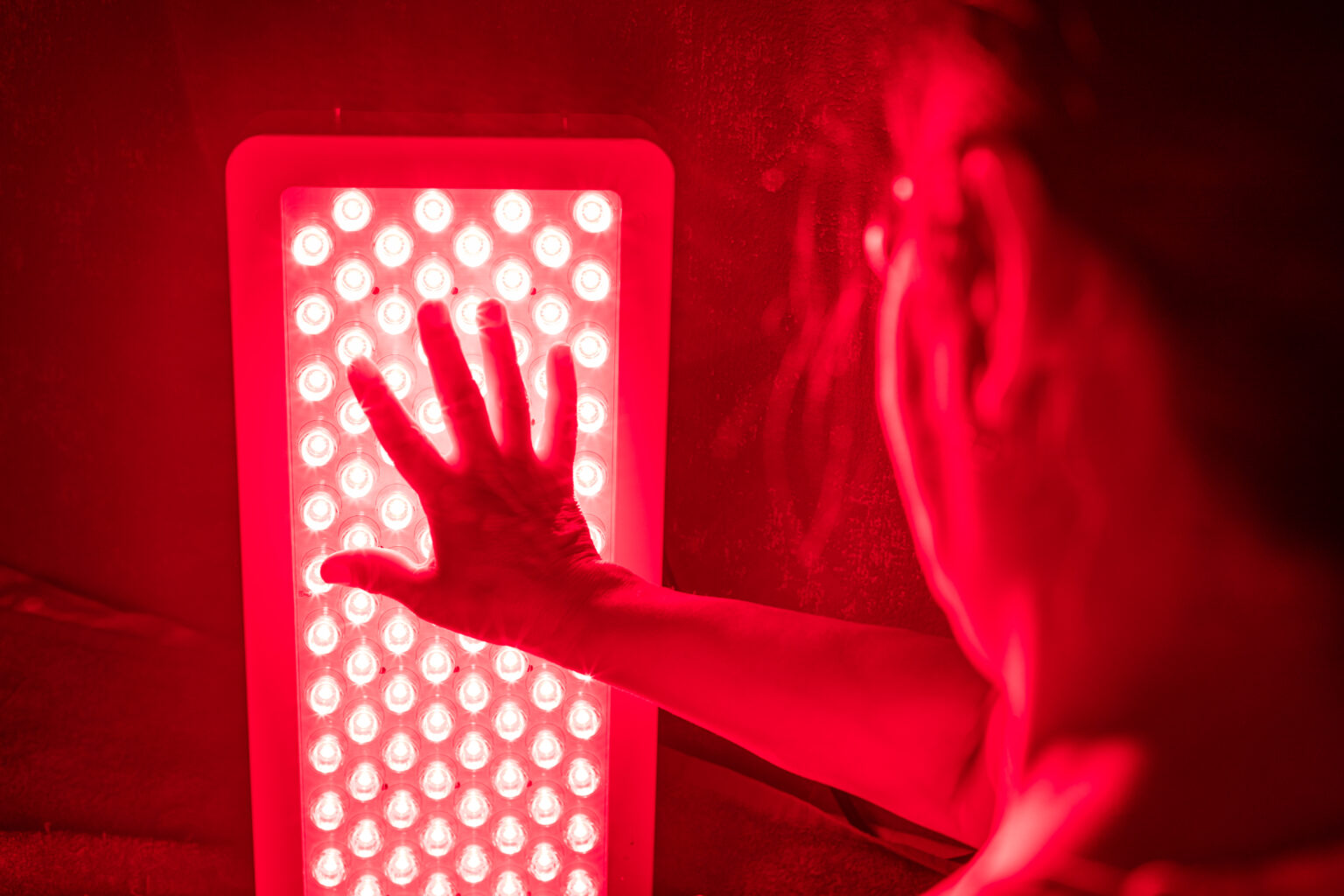
Photobiomodulation — the science behind red light therapy — is an active field, and researchers are exploring its possibilities in directions that go well beyond skin and surface goals. These emerging areas are the focus of emerging photobiomodulation research and help explain why the topic generates so much excitement. They also demand unusual care, because early-stage research is easy to misread and even easier to oversell.
This article surveys several areas of emerging photobiomodulation research, but its central message is a cautious one: these are preliminary lines of inquiry, not settled conclusions. Understanding why excitement must be tempered — and what would actually strengthen the evidence — is more useful than any single hopeful headline.
Why Emerging Photobiomodulation Research Requires Caution
Before describing any specific area, it helps to be clear about how medical knowledge is built. Not all evidence carries the same weight. Discussions of the levels of evidence in medical research describe a hierarchy, in which findings from large, well-designed, randomized controlled trials and systematic reviews are generally considered more reliable than findings from small studies, laboratory experiments, animal models, or individual case reports.
Much of the most exciting emerging photobiomodulation research sits toward the earlier, more preliminary end of that evidence hierarchy. A promising result in a small study or a laboratory model is a reason to investigate further — not a reason to conclude that a benefit is established. Keeping this framework in mind is the single best defense against being misled by enthusiastic coverage of early work.
Areas of Emerging Photobiomodulation Research
Transcranial Photobiomodulation
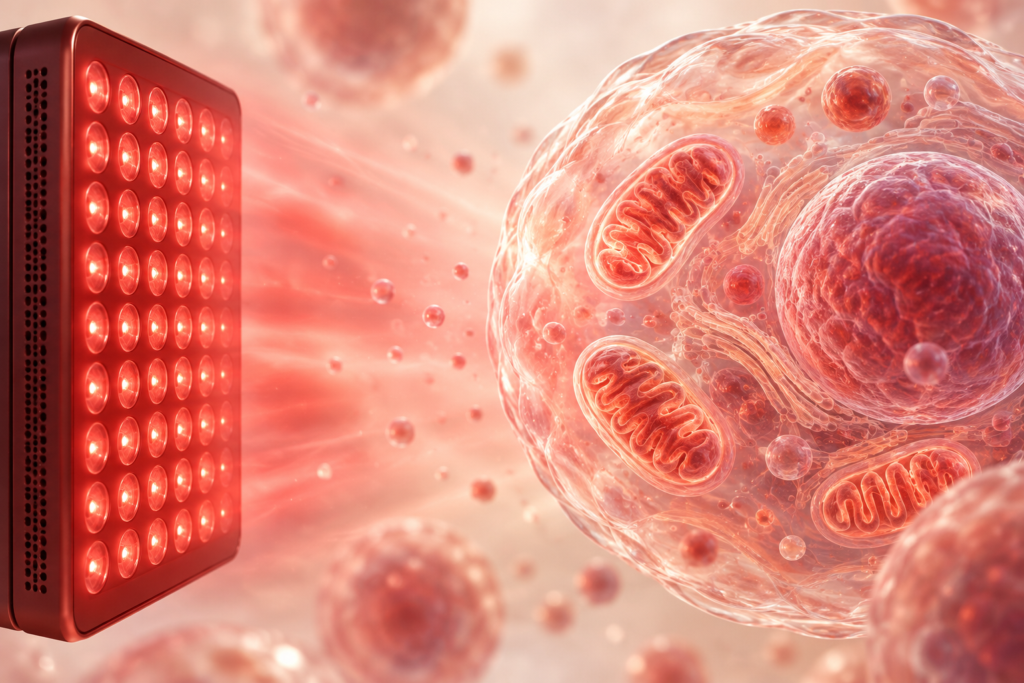
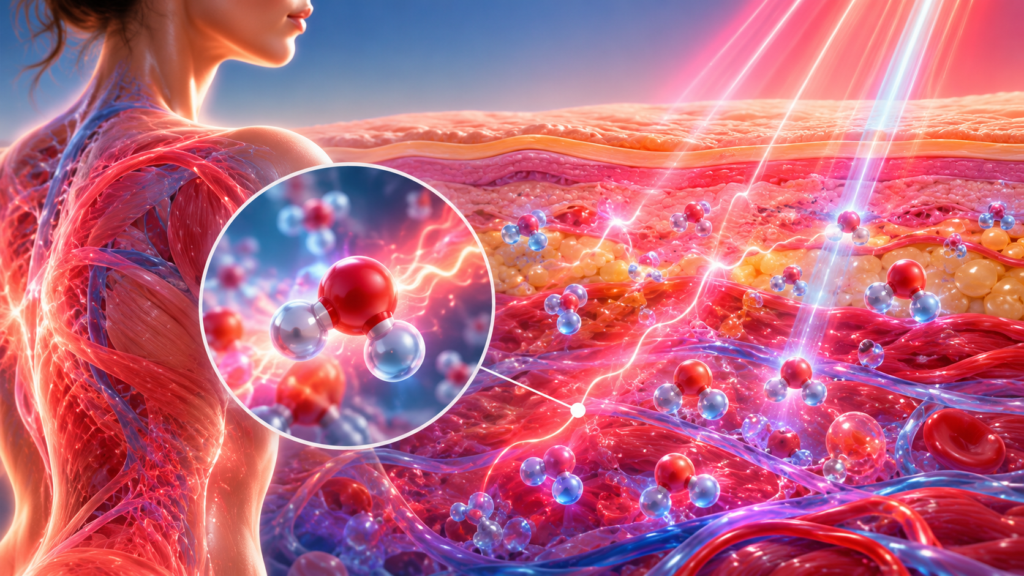
One of the most discussed frontiers is transcranial photobiomodulation, which explores whether near-infrared light applied to the head might influence brain-related processes. The underlying rationale connects to the broader mechanism: researchers, including Michael Hamblin and colleagues, have described how red and near-infrared light may be absorbed by mitochondrial targets and influence cellular energy and signaling, and some have asked whether similar effects could be relevant in neural tissue.
Transcranial applications remain one of the most closely watched areas of emerging photobiomodulation research.
It is essential to be honest here. This is an early and complex area. Reaching deeper structures with light is challenging, study designs vary, and the human evidence is far from settled. Transcranial photobiomodulation is best understood as a research question under active investigation, not as a validated approach for any specific outcome. Claims that it reliably improves cognition, mood, or neurological conditions go well beyond what current evidence supports.
Exercise Recovery and Performance
Another active area examines whether light exposure might support muscle recovery or athletic performance. The mechanistic logic — that light may support cellular energy and balanced signaling — is plausible, and this is a popular focus of study. Yet results across trials are mixed, studies are often small, and protocols differ widely in wavelength, dose, and timing. The honest summary is that light may support recovery for some people under some conditions, while the broader picture remains inconsistent and in need of stronger study.
Exercise recovery continues to be another promising focus of emerging photobiomodulation research.
Skin and Tissue Applications
Skin-related uses are among the more studied applications, and they continue to attract research refining which wavelengths, doses, and protocols are most useful. Even here, where the evidence base is comparatively larger, reviewers emphasize variability between studies and the need for standardization. More-studied does not mean fully settled.
Other Exploratory Directions
Researchers are also examining a range of other potential applications across different tissues and goals. An umbrella review of photobiomodulation’s effects on multiple health outcomes reflects this breadth of interest, while simultaneously underscoring how much variability and uncertainty exist across the literature. Breadth of interest is not the same as breadth of proof. These broad investigations highlight just how diverse emerging photobiomodulation research has become.

Why Excitement Must Be Tempered
Several recurring problems explain why early enthusiasm should be held in check. Many studies are small, which makes their results less reliable and more prone to chance. Protocols differ so much — in device, wavelength, dose, and timing — that findings are hard to compare or combine. Laboratory and animal results do not always translate to humans. And positive findings tend to attract more attention than null results, which can skew public perception toward optimism.
None of this means the research is worthless. It means the appropriate posture is curiosity tempered by patience. Early-stage science is where future knowledge begins, but it is also where the most overreaching claims are made. A finding that is preliminary today may be confirmed, refined, or overturned tomorrow.
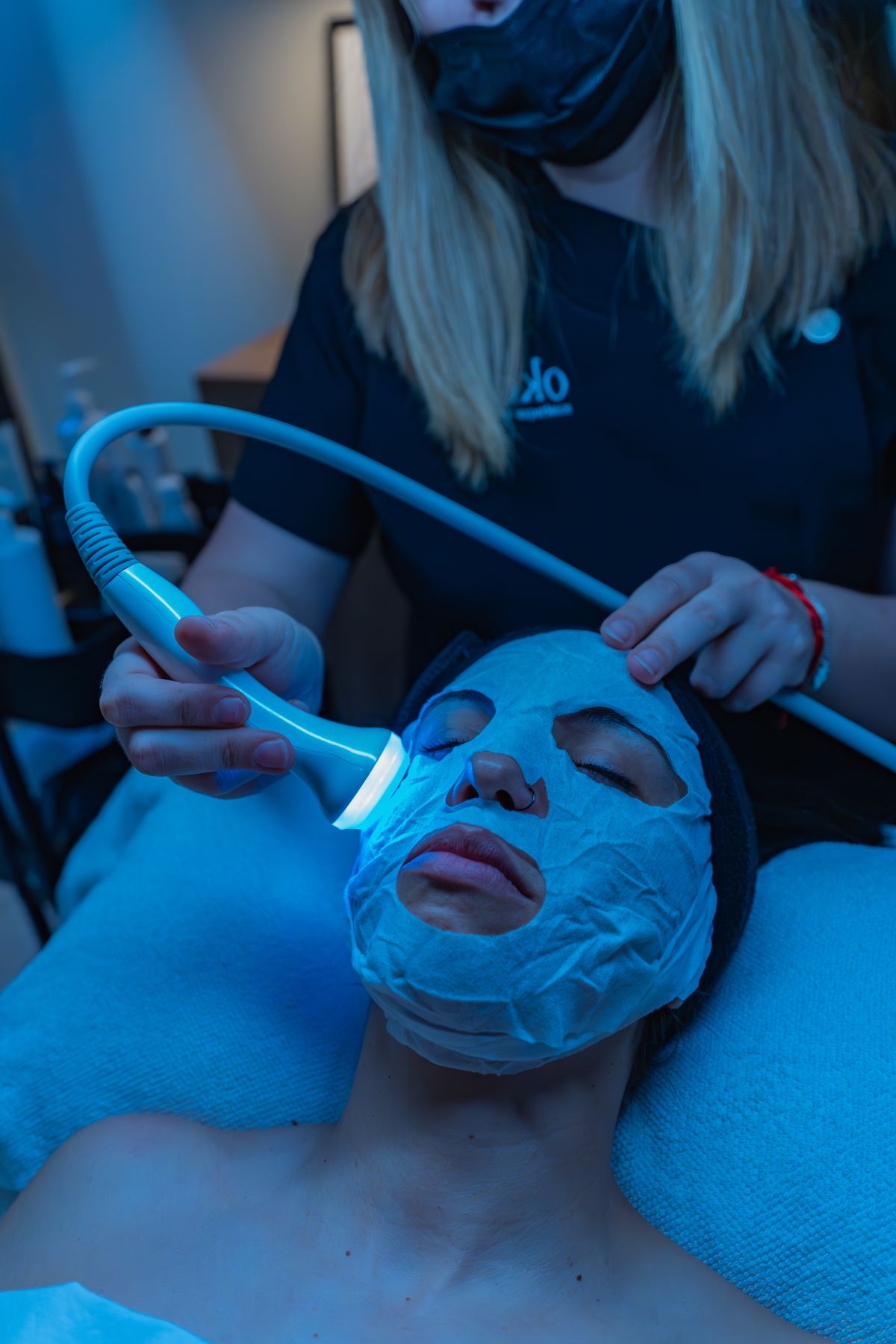
What Would Strengthen Emerging Photobiomodulation Research
It is worth being concrete about what would move these areas from “interesting” toward “established.” Larger randomized controlled trials with enough participants to produce reliable results would help substantially. So would standardized protocols, so that studies use comparable devices, wavelengths, and doses and can be meaningfully pooled.
Pre-registration of studies and consistent reporting of both positive and null results would reduce bias. And independent replication — different research teams reaching similar conclusions — is what ultimately builds confidence.
Until stronger evidence accumulates, emerging photobiomodulation research should be described with deliberately modest language such as early, preliminary, under investigation, and not yet established. These are not hedging words for their own sake; they accurately reflect where the science stands.
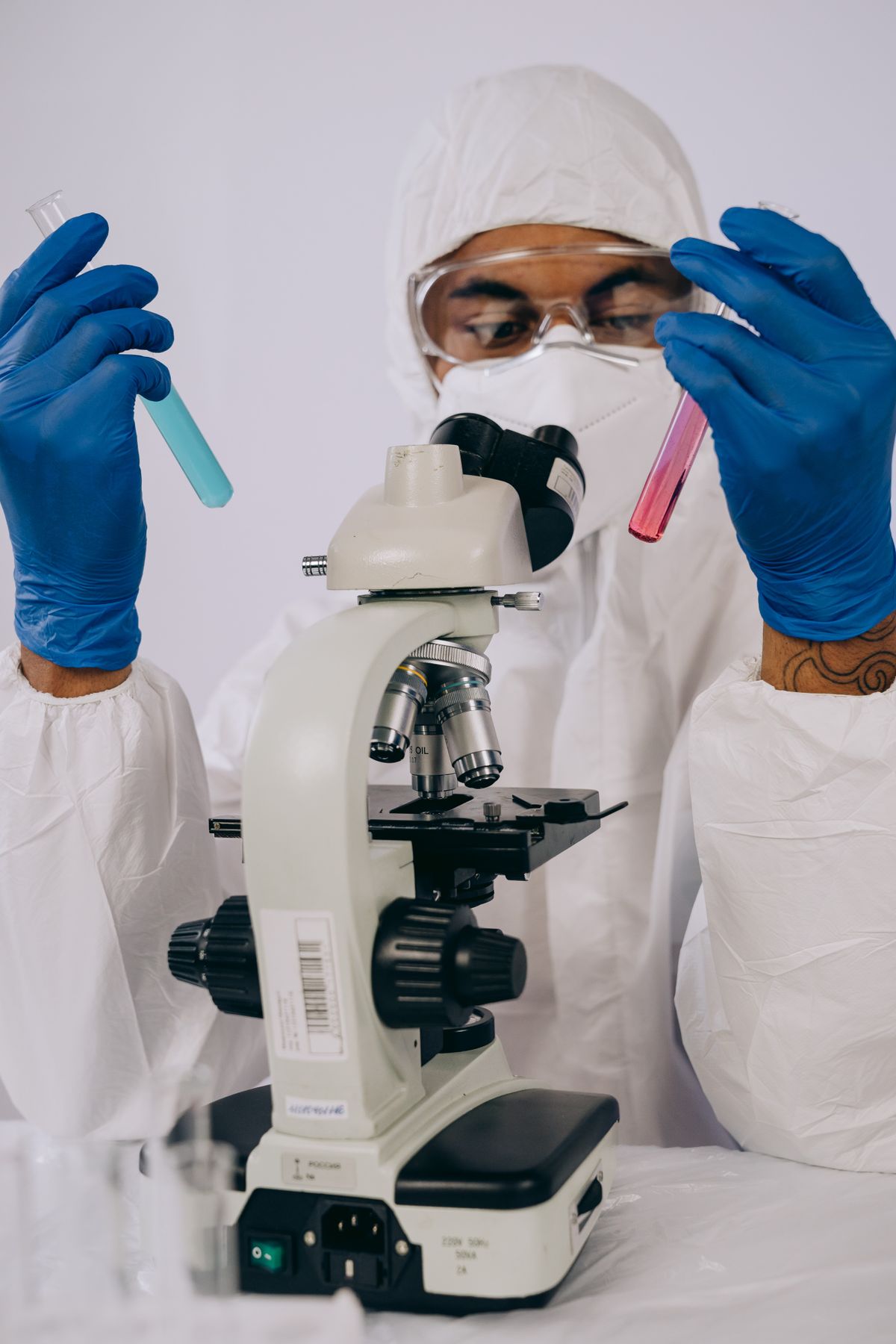
How Emerging Photobiomodulation Research Becomes Established Knowledge
It can help to picture the long road a promising idea travels before it earns confidence. A typical path begins with laboratory work showing that light can affect cells, moves to small pilot studies in people, and only later — if results hold — progresses to larger, controlled trials and, eventually, systematic reviews that weigh all the evidence together.
Discussions of the levels of evidence in medical research place these later stages well above the earlier ones precisely because each step filters out findings that do not survive more rigorous testing. Much of the photobiomodulation research that generates headlines is still near the beginning of this journey. That is not a criticism of the research; it is simply where it sits. Recognizing the difference between a first step and a destination is what separates informed optimism from misplaced certainty.
The Mechanism Is Promising, but Mechanism Is Not Proof
A recurring source of overconfidence is the assumption that a plausible mechanism guarantees a real-world benefit. The mitochondrial mechanism described by researchers such as Michael Hamblin and colleagues — in which red and near-infrared light may be absorbed by cellular targets and support energy and signaling — is genuinely well studied and gives the field a credible foundation.
But showing that light can influence cells in a dish is a different claim from showing that a particular protocol reliably helps a particular person with a particular goal. Both can be true at once: a sound mechanism and still-developing clinical evidence. Emerging research areas live squarely in that gap, which is why even the most mechanistically appealing applications deserve cautious, conditional language until human trials catch up.
Safety and Expectations for Emerging Photobiomodulation Research
While many consumer-dose applications of red light therapy are generally considered low-risk for healthy adults, emerging or experimental uses are a different matter. Applying light in novel ways, to novel areas, or in pursuit of medical-sounding goals is not something to improvise based on a hopeful headline. Anyone considering an experimental use, and especially anyone who is pregnant, takes photosensitizing medication, or has a medical or neurological condition, should consult a qualified healthcare professional. Photobiomodulation research is fascinating, but it does not replace medical care, and emerging does not mean proven or risk-free.
The Bottom Line
Emerging photobiomodulation research is expanding into areas such as transcranial applications, exercise recovery, and refined skin protocols, reflecting growing scientific interest while remaining preliminary. But nearly all of this work is early and preliminary, sitting toward the less-certain end of the evidence hierarchy, and much of it is small, varied, and unreplicated. The responsible stance is enthusiasm tempered by caution: follow the research with interest, demand larger and standardized trials before believing strong claims, and remember that an exciting frontier is a beginning, not a conclusion.
Ready to get your red light therapy device? See our brand and product reviews, and try out our product comparison tool to inform your decision.
Frequently Asked Questions
Is transcranial photobiomodulation proven to help the brain?
No. It is an early, complex research area. Reaching deeper structures with light is challenging, human evidence is far from settled, and claims that it reliably improves cognition, mood, or neurological conditions go beyond what current evidence supports.
Why should I be cautious about exciting new red light therapy research?
Much of it is preliminary, drawn from small studies, laboratory work, or animal models that sit toward the less-certain end of the evidence hierarchy. Promising early results justify further study, not firm conclusions.
Does broad research interest mean photobiomodulation works for many things?
Not necessarily. Breadth of interest is not breadth of proof. Reviews note wide variability and uncertainty across the literature, so many applications remain under investigation rather than established.
What would make emerging photobiomodulation research more convincing?
Emerging photobiomodulation research will become more convincing through larger randomized controlled trials, standardized protocols, independent replication, and consistent reporting of both positive and negative findings.
Is it safe to try experimental uses of red light therapy at home?
Emerging or experimental uses are different from well-studied consumer applications and should not be improvised from hopeful headlines. Consult a qualified healthcare professional, especially if you are pregnant, photosensitive, or have a medical or neurological condition.
This article is for general educational purposes only and is not medical advice. Red light therapy is not a substitute for professional care. Talk with a qualified healthcare professional about your individual situation.