Shopping for a red light therapy device can feel overwhelming. Prices range from a few dollars to several thousand, marketing language is often dramatic, and two products that look identical can perform very differently. This guide explains how to choose a red light therapy device by focusing on the features that truly matter, helping you compare products on evidence instead of marketing.
There is no single “best” device for everyone. The right choice depends on your goal, your budget, and how you plan to use it. The aim here is to give you a practical framework for evaluating any device, regardless of brand, and to flag the claims worth scrutinizing before you spend.
How to Choose a Red Light Therapy Device for Your Goals
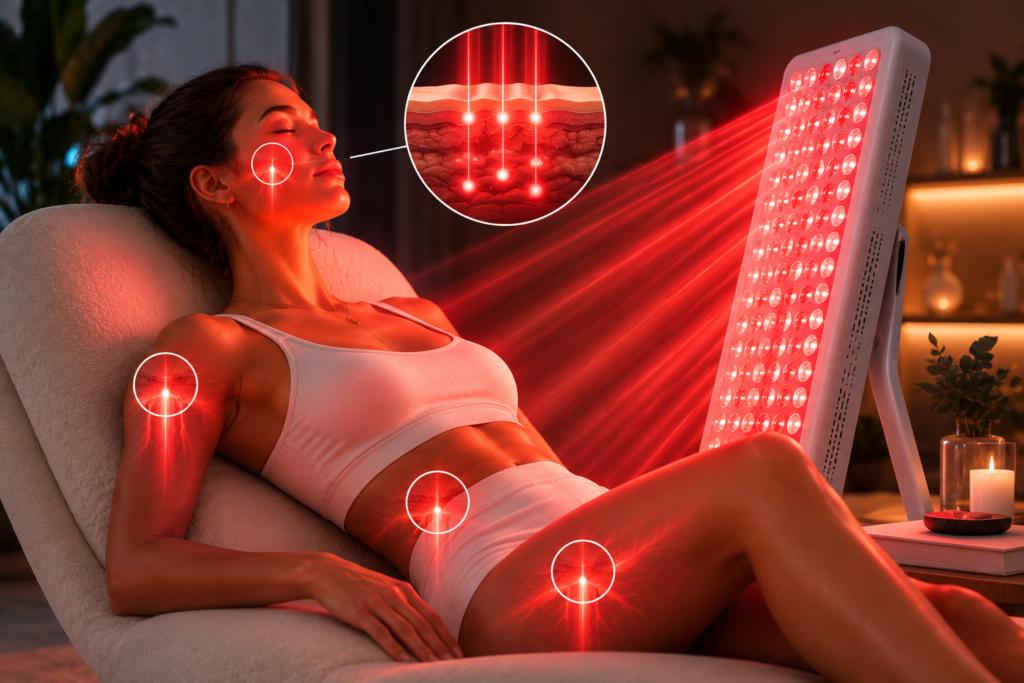
The most common buying mistake is choosing a device before defining the goal. Red light therapy is used for a range of wellness aims, and different goals point toward different devices. If your interest is the appearance of your skin, a face-focused device or a panel with strong visible red output may be a sensible match. If your interest involves muscles or joints, a device that emphasizes near-infrared light — which research shows penetrates more deeply than red light — is often more relevant.
Defining the goal first narrows the field quickly. It also helps you set realistic expectations: red light therapy may support certain goals for some people, but it is not a guaranteed result and is not a replacement for medical care.
How to Choose a Red Light Therapy Device by Wavelength
Wavelength, measured in nanometers (nm), describes the kind of light a device emits and is one of the most important specifications. Most consumer devices cluster around two values: roughly 660 nm (visible red) and roughly 850 nm (near-infrared). You will also see figures like 630 nm and 810 nm.
The practical takeaway is that wavelength relates to depth and goal. Visible red light acts mainly at the skin’s surface, while near-infrared reaches deeper tissue. A device that clearly states its wavelengths in nanometers is giving you the information you need; a device that hides behind phrases like “advanced healing light” without specific numbers is not. There is no universally proven single best wavelength, so match the stated wavelengths to your goal rather than chasing the highest number.
How to Choose a Red Light Therapy Device by Irradiance
Wavelength tells you what kind of light a device emits; irradiance tells you how much. Irradiance is the amount of light energy reaching a surface, usually expressed in milliwatts per square centimeter (mW/cm²). Combined with exposure time, it determines the total dose.
This matters more than many shoppers realize, because research on dosing describes a biphasic response: a moderate dose may be helpful, while too little does nothing and too much can reduce or even reverse the benefit. A device that is honest about its irradiance — and the distance at which that figure was measured — lets you judge whether you can deliver a sensible dose. Be cautious of products that advertise enormous irradiance numbers without specifying distance, since irradiance falls off quickly as you move away from a panel.
How to Choose a Red Light Therapy Device by Coverage You It Covers
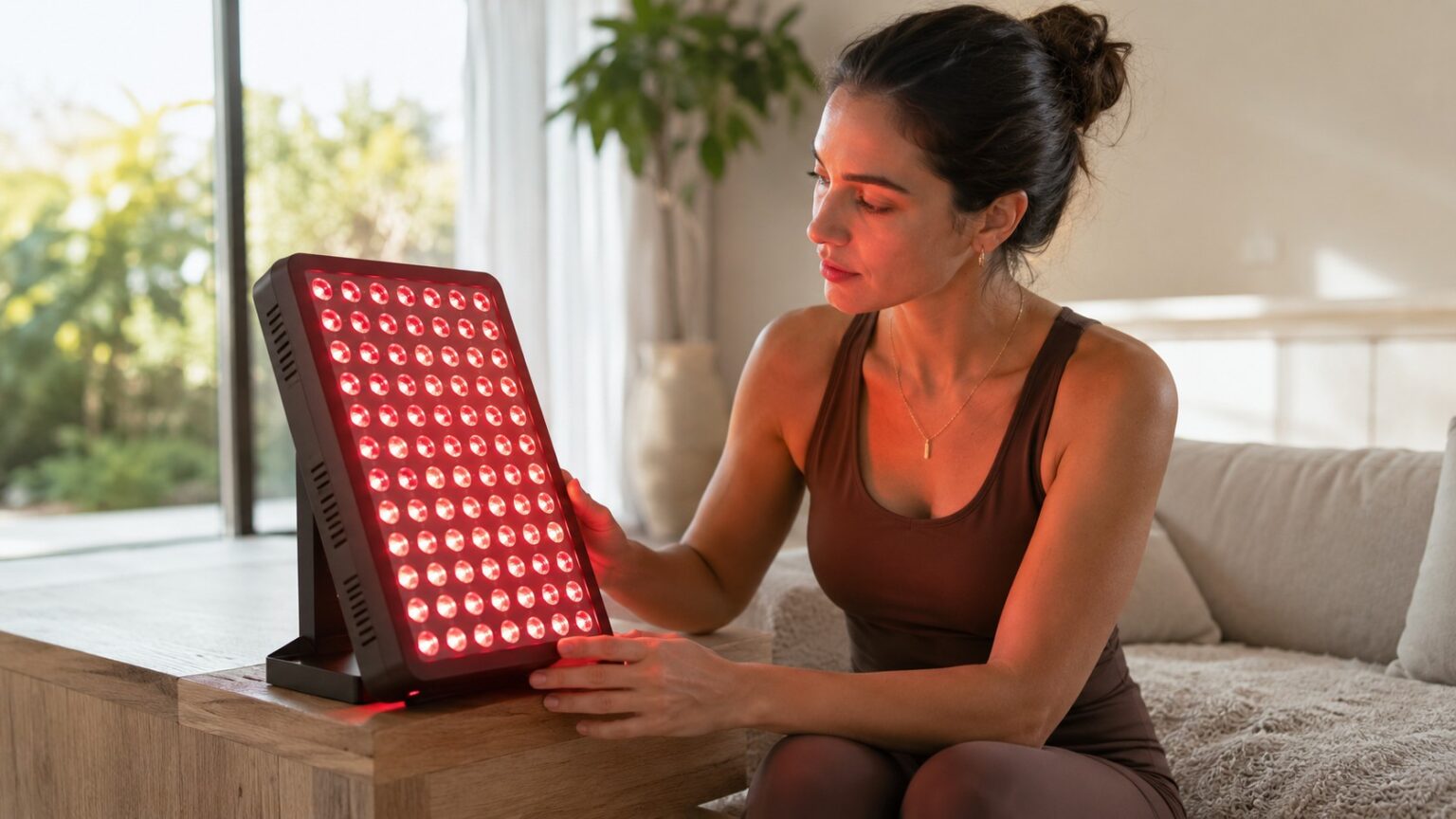
Devices vary enormously in how much of the body they can address at once. Handheld units and small wands treat a small spot at a time, which is fine for a targeted goal but slow for anything larger. Face masks are shaped for the face. Panels range from desktop size to full-length and cover much more area. Wraps and belts fasten around a limb or the torso.
Coverage area affects both convenience and the practicality of your routine. A small device used to cover a large area can turn a quick session into a lengthy chore, which makes consistency harder — and consistency, across weeks, tends to matter more than any single session.
How to Choose a Red Light Therapy Device for Long-Term Use
A red light therapy device is a piece of electronics you may use several times a week for years, so build quality is worth weighing. Look for clear information about construction, cooling (panels can generate heat), and any warranty. While specifications like wavelength and irradiance describe performance, a well-built unit with adequate cooling and a reasonable warranty is more likely to deliver consistent output over time. Transparency from the manufacturer about these details is itself a reasonable signal of a serious product.
How to Choose a Red Light Therapy Device Without Falling for Marketing
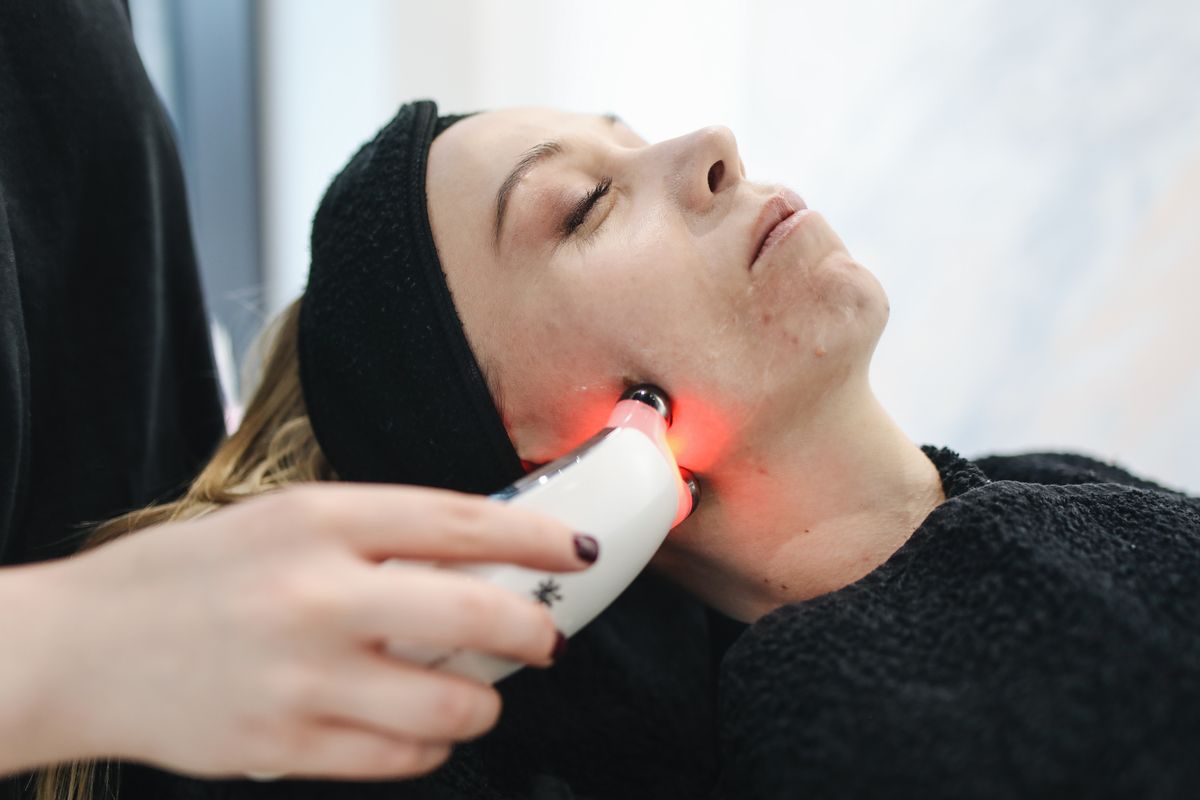
Marketing around red light therapy often blurs an important regulatory distinction. In the United States, many light-based devices go through the FDA’s 510(k) clearance pathway, which allows a device to be marketed after the manufacturer demonstrates it is substantially equivalent to an existing legally marketed device. This is not the same as full FDA “approval,” a more rigorous process reserved for certain higher-risk devices.
Many consumer red light products are cleared, registered, or simply sold as general wellness products rather than formally approved to treat a specific medical condition. When a listing says “FDA approved,” treat the phrasing with care and look for the specifics. The distinction is meaningful, and a careful seller will describe a device’s regulatory status accurately rather than implying more than the paperwork supports.
Other Claims Worth a Second Look
Beyond regulatory language, be skeptical of any device that promises to cure, treat, or prevent disease, melt fat, or guarantee results. The honest state of the evidence is that red light therapy may support certain skin and recovery goals for some people, that many studies are small and report mixed results, and that more standardized research is needed. A product that acknowledges this nuance is more trustworthy than one that promises transformation.
Matching Device to Goal: A Quick Walkthrough
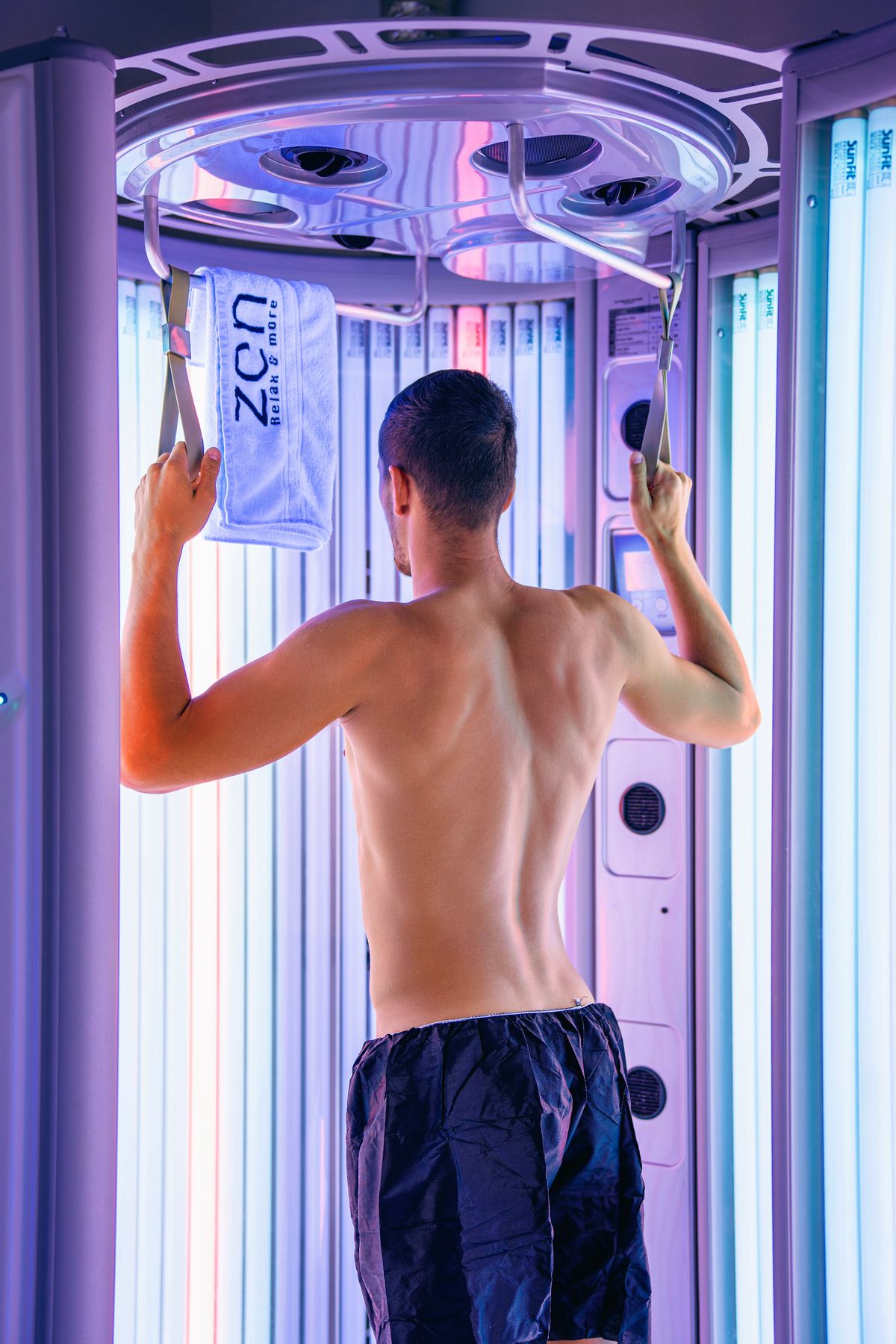
Bringing the pieces together, the choice often resolves itself once the goal is clear. For skin-appearance goals, a face mask or a panel with strong red output, used at the recommended distance, is a common match. For recovery or deeper-tissue goals, a panel or wrap with meaningful near-infrared output is often more relevant. For varied goals, a quality dual-wavelength panel offers flexibility, though combining wavelengths is not automatically “twice as good.” For spot use on a single small area, a handheld device can be appropriate and economical.
How to Choose a Red Light Therapy Device for Your Budget
Price spans an enormous range, and higher cost does not automatically mean better results. A larger panel generally costs more simply because it contains more components and covers more area, not because each photon is superior. The most sensible budgeting approach is to decide what coverage and specifications your goal genuinely requires, then find a transparent device that meets those needs and that you will realistically use. You do not need the most expensive option on the market — you need honest specifications, adequate coverage for your goal, and a dose you can apply consistently and safely.
How to Choose a Red Light Therapy Device Safely
For most healthy adults, red light therapy at consumer doses is generally considered low-risk, with reported side effects typically mild and temporary, such as brief warmth or redness. Even so, a few precautions are worth keeping in mind as you choose. Consider whether the device comes with eye protection or guidance, especially for near-infrared-heavy units whose invisible light does not trigger the eye’s natural aversion reflex. And remember that red light therapy is not automatically right for everyone: people who are pregnant, take medications that increase light sensitivity, or have a relevant eye or skin condition should consult a healthcare professional before starting. Choosing a device that includes clear safety instructions is part of choosing well.
A Buyer’s Checklist
To keep claims in perspective, run any device through a short set of questions. What exact wavelengths does it emit, in nanometers, and do they match my goal? What is the irradiance, and at what distance was it measured? How much of my body can it cover at once, and does that fit my routine? What does the manufacturer recommend for distance and session time? How is the device built, cooled, and warrantied? And does the company describe what the device does in measured language, or lean on dramatic promises and vague regulatory phrasing? Devices that answer these questions clearly tend to be more trustworthy than those that do not.
The Bottom Line
Choosing a red light therapy device is less about finding the “best” product and more about matching honest specifications to your specific goal and budget. Define your goal first, check wavelengths and irradiance, confirm the coverage and build, scrutinize regulatory and health claims, and keep safety in mind. A device that is transparent about all of these gives you what you need to choose well — and to use it sensibly once it arrives.
Ready to get your red light therapy device? See our brand and product reviews, and try out our product comparison tool to inform your decision.
Frequently Asked Questions
What is the most important feature in a red light therapy device?
No single feature stands alone. Wavelength, irradiance, coverage area, and build quality all matter, and the right balance depends on your specific goal and how you plan to use the device.
Does a higher price mean a better device?
Not necessarily. Larger or more expensive panels usually cost more because they contain more components and cover more area, not because the light is inherently superior. Match specifications to your goal rather than to price.
What does ‘FDA cleared’ mean versus ‘FDA approved’?
Many devices are ‘cleared’ through the FDA’s 510(k) pathway, meaning they are substantially equivalent to an existing device. That differs from full ‘approval,’ a more rigorous process for certain higher-risk devices. Treat ‘FDA approved’ phrasing with care.
Should I buy a panel or a smaller device?
It depends on your goal. Panels cover more area and suit whole-body or skin routines, while handheld units and wraps target a specific spot. A small device used over a large area can make sessions impractically long.
How do I know if a device’s claims are trustworthy?
Look for clearly stated wavelengths and irradiance, accurate regulatory language, and measured descriptions. Be skeptical of products that promise to cure disease, melt fat, or guarantee results, since the evidence does not support such claims.
This article is for general educational purposes only and is not medical advice. Red light therapy is not a substitute for professional care. Talk with a qualified healthcare professional about your individual situation.