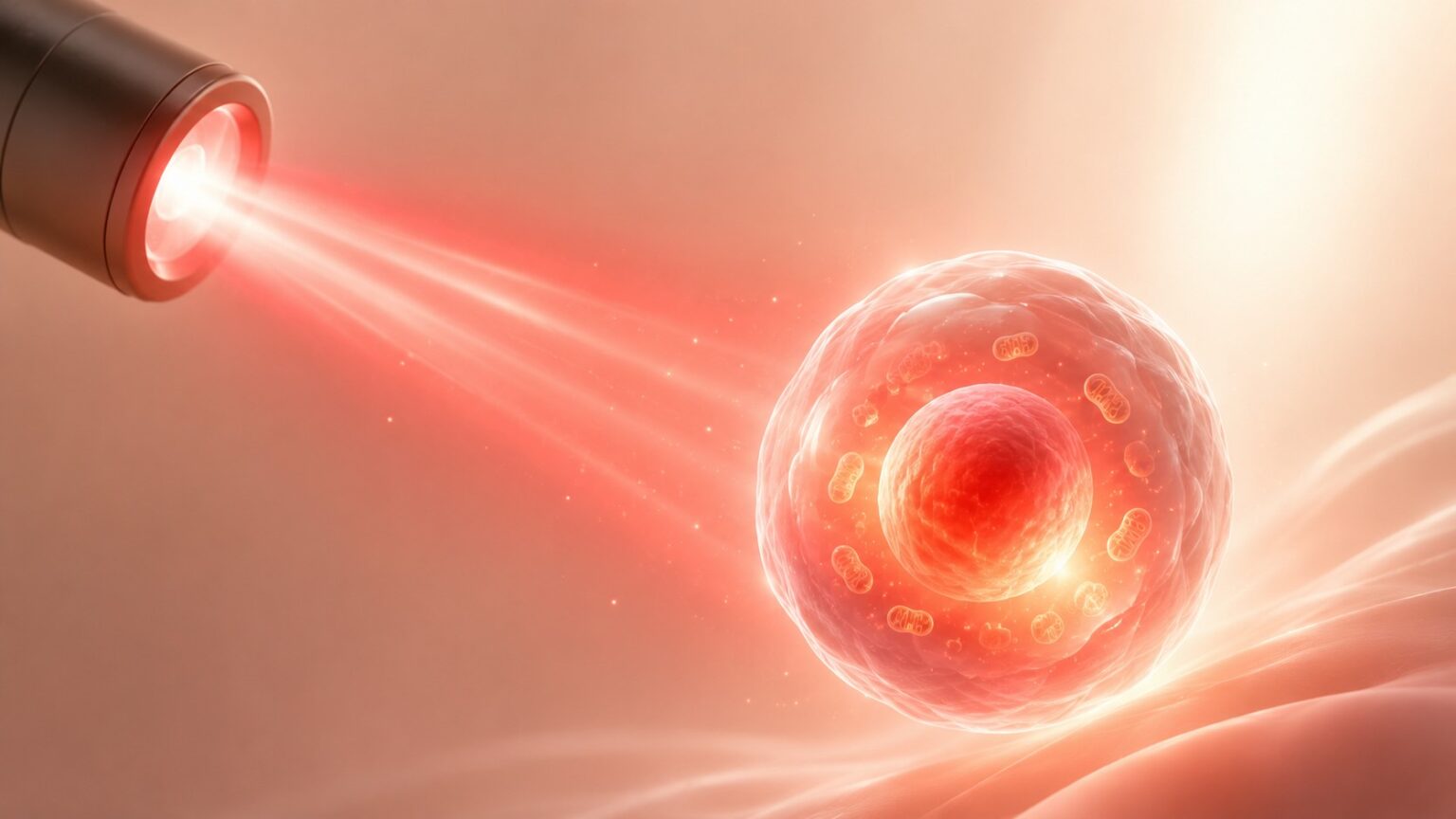
“Photobiomodulation” is a mouthful, and that alone can make red light therapy feel more mysterious than it needs to be. Strip away the jargon, though, and the concept is refreshingly simple: it is the use of light to gently influence how cells behave. This photobiomodulation explained guide breaks the science down into everyday language so the concepts feel clear rather than intimidating.
If you’re looking for photobiomodulation explained in plain English, this guide covers the basics without unnecessary scientific jargon.
Photobiomodulation Explained: Breaking Down the Word
Photobiomodulation combines three ideas. “Photo” means light. “Bio” means living things or biology. “Modulation” means adjusting or fine-tuning. Put together, photobiomodulation is “using light to fine-tune biology.” That is genuinely the whole concept — the rest is detail about which light, how much, and what happens inside cells.
You may also see the older term “low-level light therapy” (LLLT) or “low-level laser therapy.” These describe the same general idea. The field shifted toward “photobiomodulation” partly because most modern devices use LEDs rather than lasers, and because the effect is about gentle modulation, not heating.
Photobiomodulation Explained in 3 Simple Steps
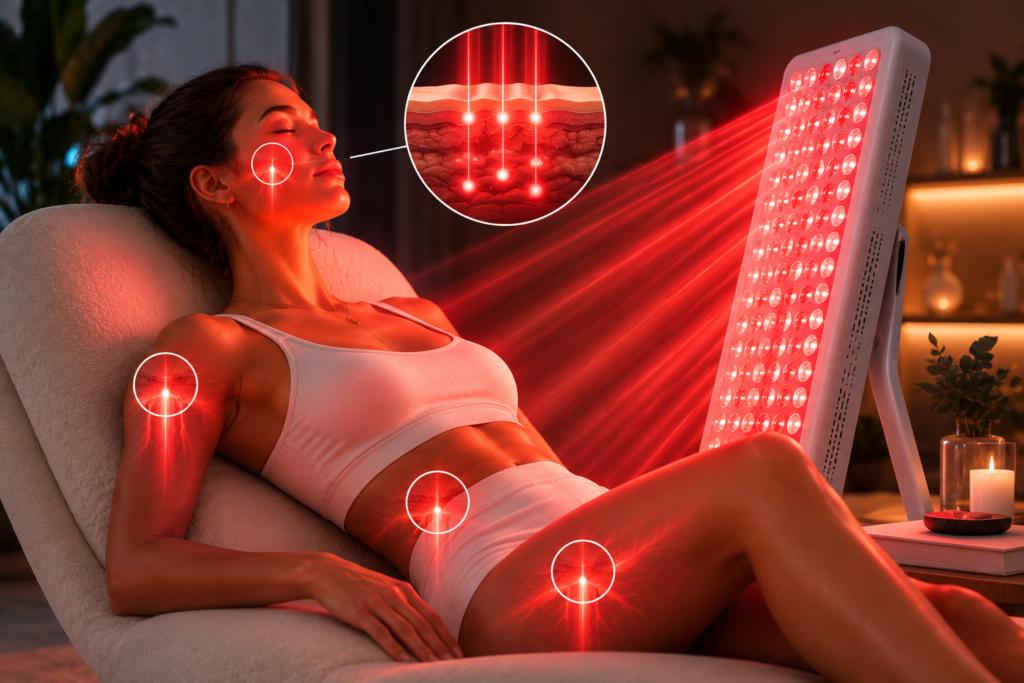
Imagine three steps. First, a device emits specific wavelengths of red or near-infrared light. Second, that light reaches your cells and is absorbed by particular molecules inside them. Third, the cells respond — potentially by producing energy a bit more efficiently and adjusting signals related to repair and inflammation. That three-step flow is the essence of PBM.
Photobiomodulation Explained: How Light Affects Cells
It can seem surprising that light alone could influence the body without heat or chemicals. The explanation is that certain molecules are built to absorb light. In photobiomodulation, the leading candidate is cytochrome c oxidase, an enzyme in the mitochondria — the structures that make cellular energy (ATP). When this enzyme absorbs red or near-infrared light, researchers believe it can help the energy-making process run more smoothly.
Reviews of the science describe cytochrome c oxidase and the molecule nitric oxide as key parts of this process, with newer work suggesting additional light-sensitive targets in cells. The details are still being mapped, but the principle — light absorbed by specific molecules triggers a cellular response — is well established.
Photobiomodulation Explained: Why Dose Matters
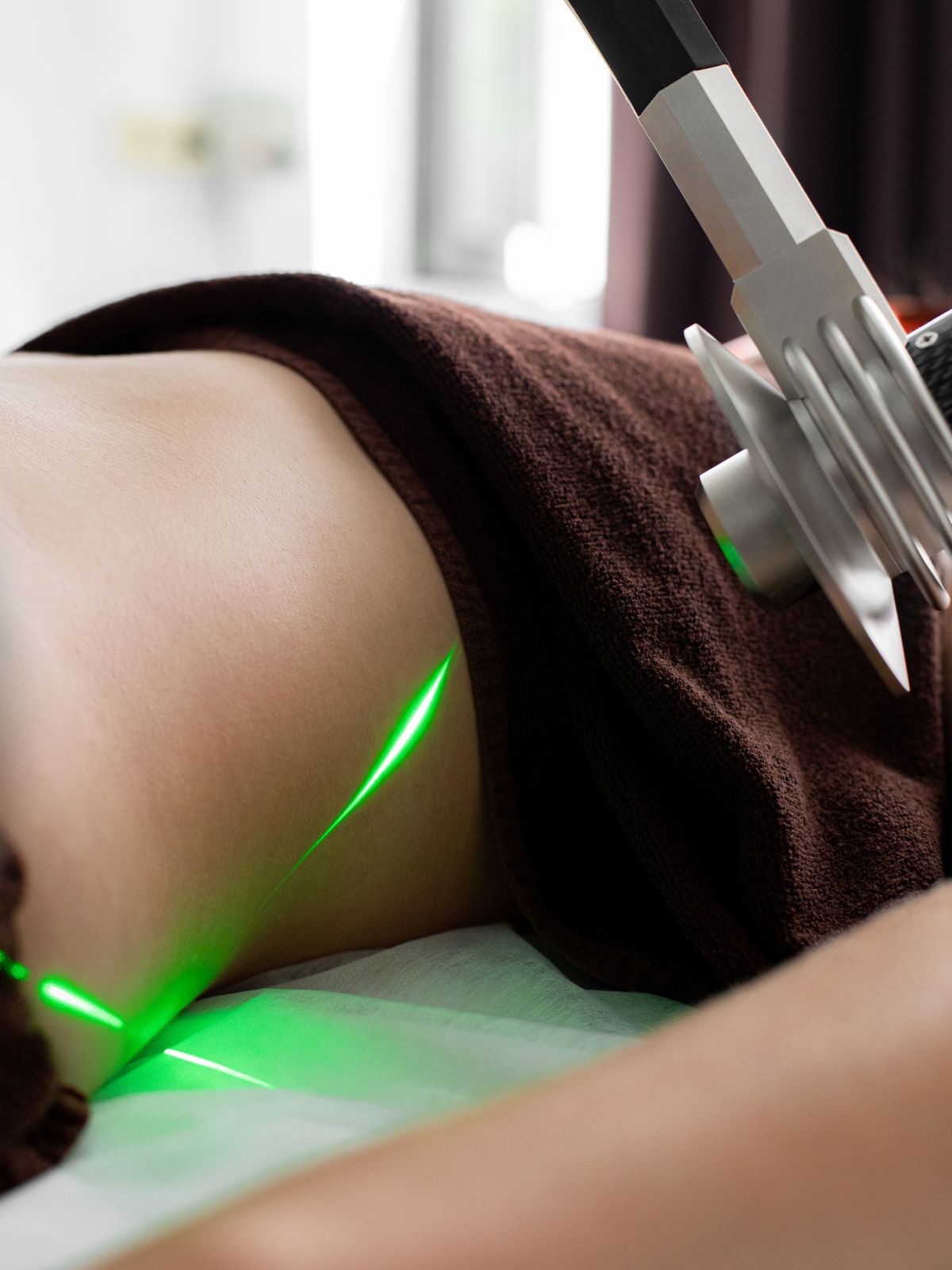
Two simple rules keep PBM grounded. First, wavelength matters: red (around 660 nm) and near-infrared (around 850 nm) are used because they can be absorbed by cellular targets and pass through skin reasonably well. Second, dose matters: research describes a biphasic response, meaning a moderate dose tends to help while too much can reduce the effect. In plain terms, the right light in the right amount — not simply “more light.”
What People Hope It Does
Because PBM may support cellular energy and balanced signaling, people explore it for goals like skin appearance, exercise recovery, and everyday comfort. The honest summary is that some uses, especially skin-related ones, have more supporting research than others, and individual responses vary. PBM may support these goals for some people; it is not a guaranteed result.
What the Science Has Not Settled
It is important to separate mechanism from proof. The cellular mechanism is well studied in laboratories. What remains less settled is how reliably those cell effects translate into clear benefits for specific real-world goals. Many human studies are small and use different settings, and reviewers consistently call for larger, more standardized trials. That is why responsible sources describe PBM with words like “may” and “early research suggests.”

Is It Safe?
At consumer doses, photobiomodulation is generally considered low-risk for healthy adults, with side effects that tend to be mild and temporary. Still, it is sensible to protect the eyes from bright light and to consult a healthcare professional if you are pregnant, take medications that increase light sensitivity, or have a relevant medical condition. PBM is a wellness tool, not a substitute for medical care.
Photobiomodulation Explained: Why the Name Changed
For decades, this practice was called low-level laser therapy or low-level light therapy (LLLT). As the field matured, researchers adopted “photobiomodulation” for two practical reasons. First, modern devices frequently use light-emitting diodes (LEDs) rather than lasers, so “laser” no longer described the typical device. Second, “low-level” was vague, while “modulation” better captures the core idea: the light gently adjusts cellular activity rather than simply heating or destroying tissue. This shift also reflected a growing consensus that the same underlying process could be triggered by lasers and LEDs alike. The newer name is less catchy, but it more accurately reflects what the science suggests is happening.
Photobiomodulation Explained: How PBM Differs
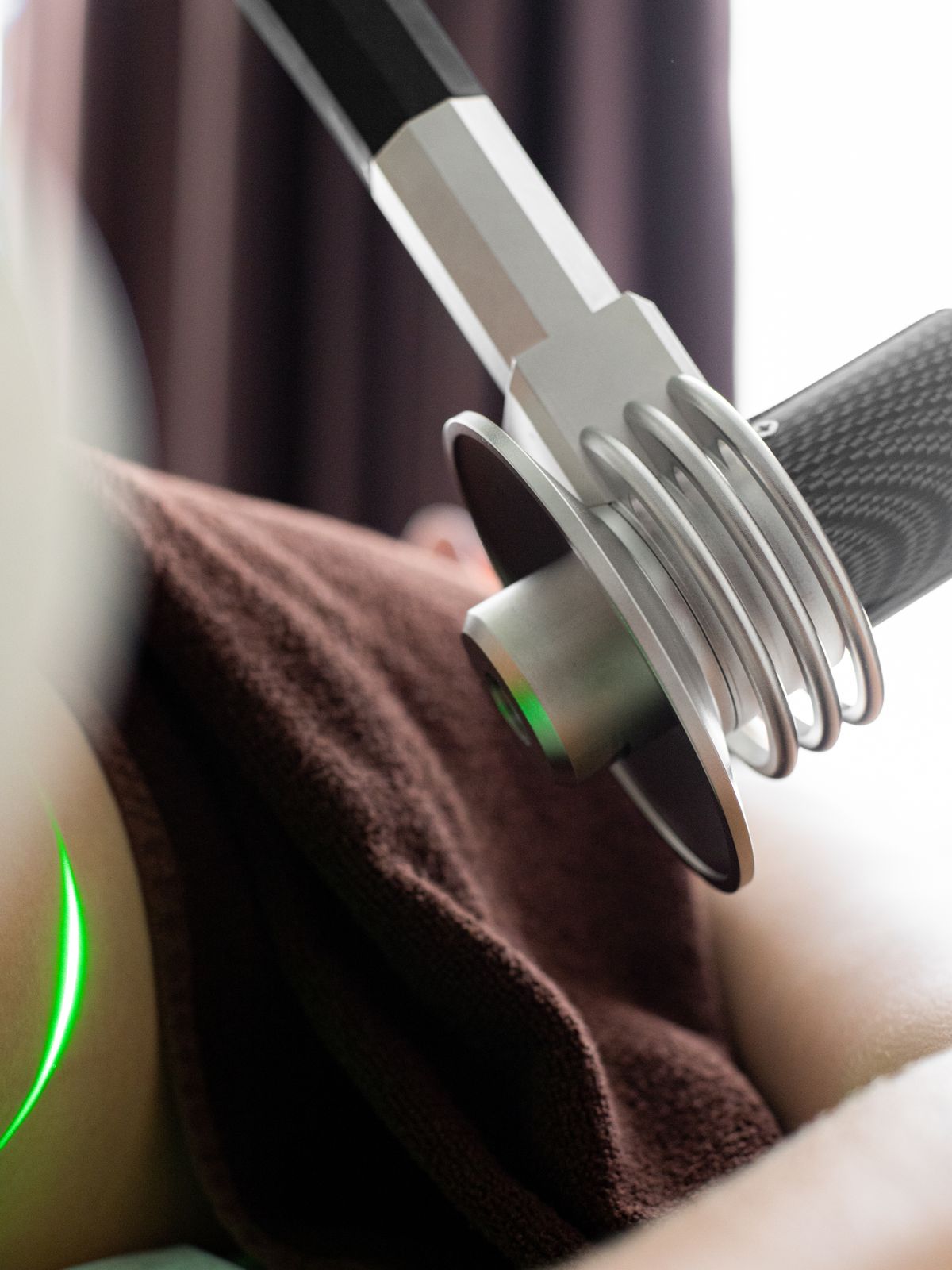
It helps to place photobiomodulation alongside other treatments that also use light, because they are easy to confuse. Unlike ultraviolet (UV) light from the sun or tanning beds, photobiomodulation does not use the high-energy rays that damage skin and raise skin-cancer risk. Unlike ablative or surgical lasers, which intentionally heat or remove tissue, photobiomodulation is low-intensity and non-destructive. And unlike the bright “light boxes” used for seasonal mood support — which deliver intense visible light to influence the body clock through the eyes — photobiomodulation uses red and near-infrared wavelengths aimed at the skin and tissues. Recognizing these distinctions prevents the common mistake of assuming all “light therapy” is the same thing.
Where PBM Fits in a Wellness Routine
Because photobiomodulation is low-risk for most healthy adults and requires only a few minutes per session, many people fold it into routines they already have — a few minutes during a morning skincare step, or after a workout. Used this way, it becomes one small, sustainable habit rather than a demanding regimen. As with any wellness practice, the benefit comes from realistic expectations and consistency, and it works best as a complement to — not a replacement for — the fundamentals of good health and any care recommended by a professional.
Photobiomodulation Explained: Common Misconceptions
A few misconceptions tend to cloud people’s understanding of photobiomodulation. One is that it must involve heat; in fact, the effect is thought to come from light absorption, not warming. Another is that stronger or longer exposure always produces better results, when research actually points to a moderate dose being ideal.
A third is that photobiomodulation is the same as the ultraviolet light in tanning beds, when it uses entirely different, non-UV wavelengths. And a fourth is that the practice is either proven beyond doubt or pure pseudoscience — the honest reality sits in between, with a credible mechanism and evidence that is promising yet still developing. Clearing up these points makes it much easier to use red light therapy thoughtfully and safely.
The Bottom Line
Photobiomodulation explained simply means using specific wavelengths of light to influence how cells behave, with current research suggesting effects on cellular energy and signaling. Understand it as a promising, still-maturing science — powerful enough to be interesting, modest enough to deserve realistic expectations.
Ready to get your red light therapy device? See our brand and product reviews, and try out our product comparison tool to inform your decision.
Frequently Asked Questions
Is photobiomodulation explained the same as red light therapy?
Essentially yes. When photobiomodulation explained is discussed in plain language, it generally refers to the same practice commonly known as red light therapy or low-level light therapy.
Does the light have to be a laser?
No. Modern photobiomodulation often uses LEDs. The term shifted away from ‘laser’ partly because LEDs are now widely used.
How is light able to affect my cells?
Specific molecules, especially the mitochondrial enzyme cytochrome c oxidase, can absorb red and near-infrared light and respond, which may support cellular energy and signaling.
Is more light always better?
No. Research shows a biphasic response: a moderate dose tends to help, while too much light can reduce the benefit.
Is photobiomodulation proven?
The cellular mechanism is well studied, but reliable real-world benefits for specific goals still need larger, standardized clinical trials. It should be approached with realistic expectations.
This article is for general educational purposes only and is not medical advice. Red light therapy is not a substitute for professional care. Talk with a qualified healthcare professional about your individual situation.