
Red light therapy and exercise are increasingly paired in wellness marketing, but it is important to keep the relationship in proportion. It is a fair thing to be curious about, but it is important to keep the relationship in proportion. Exercise itself is the proven, powerful driver of health and weight management. Red light therapy, at most, is an optional extra that some people choose to explore. This article explains how to think about red light therapy and exercise honestly and cautiously.
The central message is simple. The activity is what matters. According to the Centers for Disease Control and Prevention, regular physical activity supports weight management and a wide range of health outcomes, and it is one of the most well-established habits a person can build. Red light therapy is not a workout, a calorie burner, or a shortcut, and it should never be positioned as a replacement for moving your body.
Exercise Is the Proven Driver
Before considering any adjunct to red light therapy and exercise, it is worth restating what the evidence overwhelmingly supports. The CDC notes that physical activity helps with weight management, supports cardiovascular and metabolic health, strengthens muscles and bones, and benefits mood and sleep. For weight specifically, public health guidance frames activity as one pillar alongside healthy eating, with the combination producing gradual, sustainable results over time.
No light device comes close to this evidence base. When people ask how red light therapy and exercise fit together, the honest framing is that exercise does the heavy lifting and red light sits at the margins.
How Red Light Therapy Is Sometimes Used Around Workouts
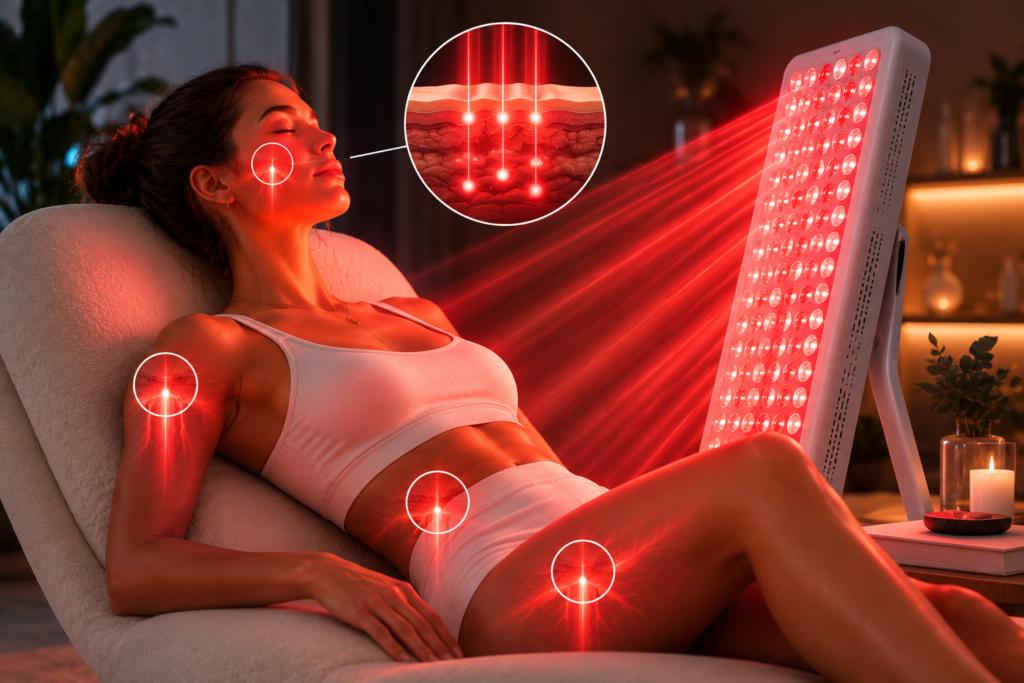
Within the wellness world, red light therapy and exercise are sometimes paired for everyday recovery and comfort. People may use a panel after a session as part of a wind-down routine. Whether this produces a meaningful difference is still being studied, and individual responses vary widely. It is reasonable to experiment, but it is not reasonable to expect it to change your results in any dramatic way.
Crucially, none of this is weight loss. Using red light therapy near a workout does not burn extra calories or melt fat. Reviews of low-level laser therapy for body contouring describe only small, short-term circumference changes at treated areas, with an uncertain mechanism and inadequate stand-alone efficacy. Red light therapy and exercise pairing does not add a fat-burning effect — reviews are clear that stand-alone efficacy is inadequate.

Keeping the Roles Straight
AA helpful way to organize red light therapy and exercise thinking is to assign clear roles. Exercise and nutrition are the drivers: the habits with strong evidence that genuinely move the needle on health and weight. Sleep and stress management are essential supports. Red light therapy, if you choose to include it, is an optional adjunct that some people enjoy as part of a routine, with modest and uncertain benefits at most.
Problems arise when these roles get scrambled, especially when marketing implies that a device can substitute for the hard, proven work of regular activity. It cannot. Keeping the hierarchy clear protects both your expectations and your results.
A Realistic Way to Combine Them
If you already exercise and want to try red light therapy and exercise together, treat the device as a small, pleasant ritual rather than a performance tool. You might use a panel during a cooldown or as part of an evening routine, following the device’s guidance on time and distance. Judge it, if at all, by how you feel over several weeks, and keep your focus and effort on the training and nutrition that actually drive change.
Why More Is Not Better
Some enthusiastic users assume that if a little red light might help, more must be better, and that doubling sessions could amplify any effect. The research on light dosing does not support this. Studies describe a response in which a moderate, appropriate dose is the goal, while excessive exposure offers no added benefit. Spending more time under a panel will not improve your red light therapy and exercise results or accelerate weight loss.
Setting Expectations the Right Way
Healthy, sustainable weight management is gradual. Public health guidance generally describes a modest, steady pace of weight loss as both realistic and more likely to last, achieved through consistent activity, sensible eating, and supportive habits.
Red light therapy does not change this timeline, and it is not a driver of the outcome. Approaching red light therapy and exercise with realistic expectations means anchoring your results to training and diet, not the device.
It is also worth remembering that results vary from person to person. Two people with similar routines may respond differently, and any role red light plays is at the margins. Anchoring your expectations to the proven fundamentals keeps you grounded.
Building an Exercise Habit That Lasts
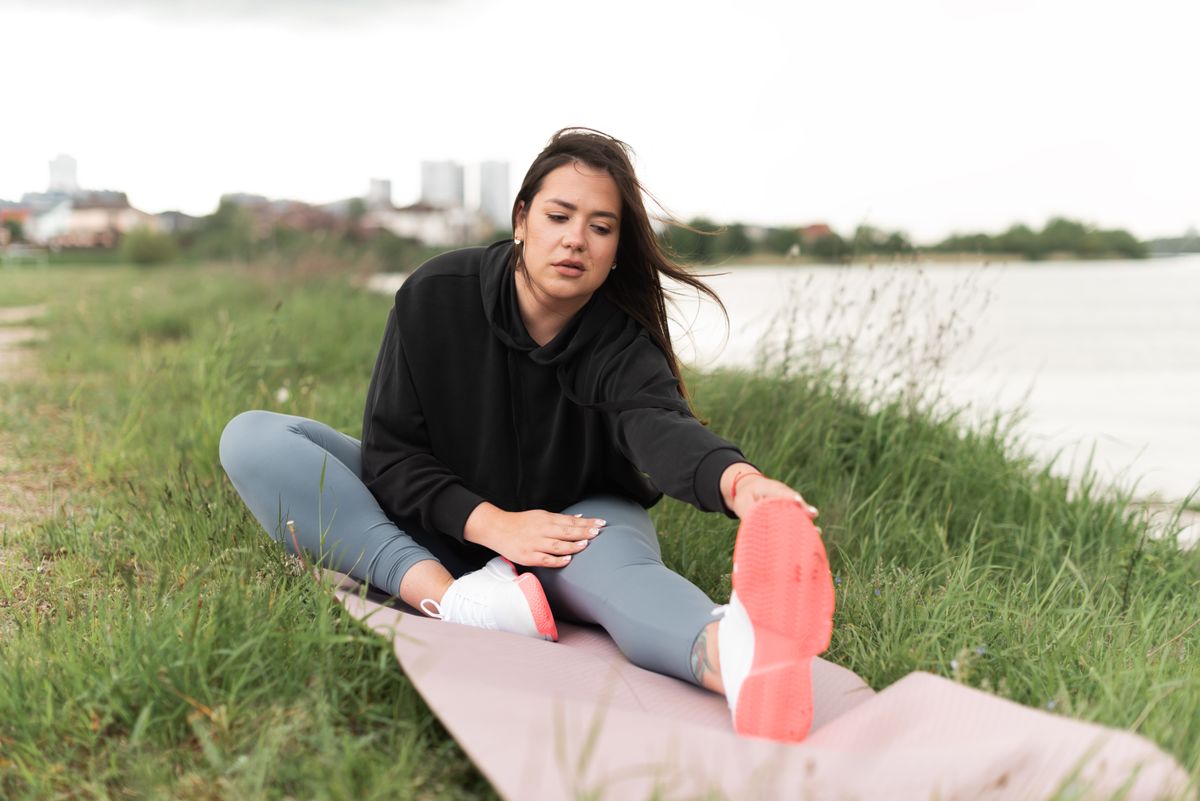
Because the activity is what truly matters, the most valuable thing you can do is make exercise sustainable. Public health guidance encourages finding activities you genuinely enjoy, building them into your week in manageable amounts, and increasing gradually rather than chasing intense, short-lived bursts that are hard to maintain. A mix of activity that raises your heart rate and movement that strengthens muscles tends to support both health and weight management over time.
Consistency, not perfection, is the goal. Missing a session is not a failure, and the long-term pattern matters far more than any single day. If red light therapy happens to make your routine feel more enjoyable or helps you wind down afterward, that is a reasonable reason to include it — but the benefit you are building comes from showing up to the activity, week after week, not from the device beside it.

Common Misconceptions to Avoid
A few misunderstandings tend to distort how people combine red light therapy and exercise. One is the idea that a session before or after a workout meaningfully increases fat burning; there is no good evidence for this. Another is that red light can compensate for skipped workouts or poor nutrition, which it cannot.
A third is that visible warmth or a post-session glow signals fat loss, when it does not. And a fourth is treating any short-term change in how a treated area looks as proof of weight loss, when reviewers are clear that such circumference findings are limited and not the same as losing weight. Clearing up these points keeps the focus where the evidence puts it: on the activity itself.
When to Check With a Professional
Most healthy adults can exercise and explore red light therapy without issue, but some situations call for guidance. Anyone with a medical condition, an injury, or specific health concerns should talk with a healthcare professional before starting a new exercise program. Likewise, people who are pregnant, take medications that increase light sensitivity, or have a condition affecting light sensitivity should consult a professional before using red light devices. Red light therapy is a complement to a healthy lifestyle, not a replacement for medical care or sound fitness advice.
The Bottom Line
Red light therapy and exercise can coexist in a routine, but exercise is the proven, evidence-backed driver and red light is the optional extra. Red light may be used by some people as an optional adjunct around workouts for comfort and routine, but it does not burn fat, accelerate weight loss, or substitute for activity, and any benefit is modest and uncertain. Build your results on consistent physical activity and good nutrition, treat red light as a small extra at most, and check with a professional when your health situation calls for it.
Ready to get your red light therapy device? See our brand and product reviews, and try out our product comparison tool to inform your decision.
Frequently Asked Questions
Does red light therapy help you burn more calories during exercise?
No. There is no good evidence that red light therapy increases calorie burning or enhances the fat-burning effects of exercise. In red light therapy and exercise pairing, the activity is what drives health and weight outcomes — not the device.
Should I use red light therapy before or after a workout?
If you choose to use it at all, many people fold it into a cooldown or evening routine, following the device’s guidance on time and distance. Timing is not critical, because red light is a supportive habit rather than a performance tool.
Can red light therapy replace some of my exercise?
No. Red light therapy is not a workout and does not provide the proven benefits of physical activity. Red light therapy and exercise are not interchangeable — one is a proven health driver and the other is an optional adjunct at best.
Will more red light sessions improve my fitness results faster?
No. Research on light dosing points to a moderate, appropriate dose being the goal, with no added benefit from excessive use. More sessions will not accelerate red light therapy and exercise results and simply take time away from the activity that matters.
Is it safe to combine red light therapy with a fitness routine?
For most healthy adults it is generally low-risk, but anyone with a medical condition or injury should consult a professional before starting a new exercise program, and those who are pregnant or take photosensitizing medications should check before using red light devices.
This article is for general educational purposes only and is not medical advice. Red light therapy is not a substitute for professional care. Talk with a qualified healthcare professional about your individual situation.