
If you have added red light therapy to your training routine — or you are thinking about it — one of the first practical questions is when to use it. Should the light come before your workout, as part of a warm-up, or after, as part of recovery? It is a sensible question, and the honest answer is that the research offers some clues but no firm rulebook. This article walks through what the evidence suggests, where it is uncertain, and how to make a reasonable choice for yourself. Studies on red light therapy before or after workout have drawn increasing attention from researchers.
Before going further, it helps to set the frame. Red light therapy, also called photobiomodulation (PBM), may support how muscles feel during recovery for some people, but the evidence is mixed and largely low-certainty. It is not a way to guarantee bigger gains, and it does not replace the fundamentals of training, sleep, and nutrition. With that in mind, timing becomes a question of small optimization rather than a make-or-break decision. When examining red light therapy before or after workout, it helps to look carefully at the underlying research.
Why Timing Is Even a Question
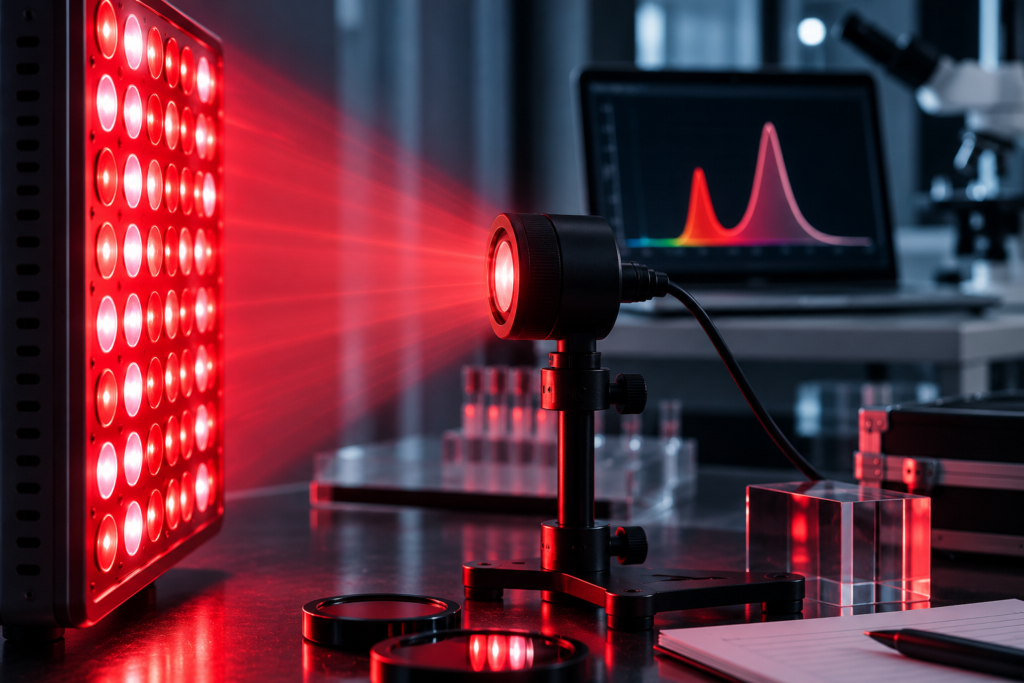
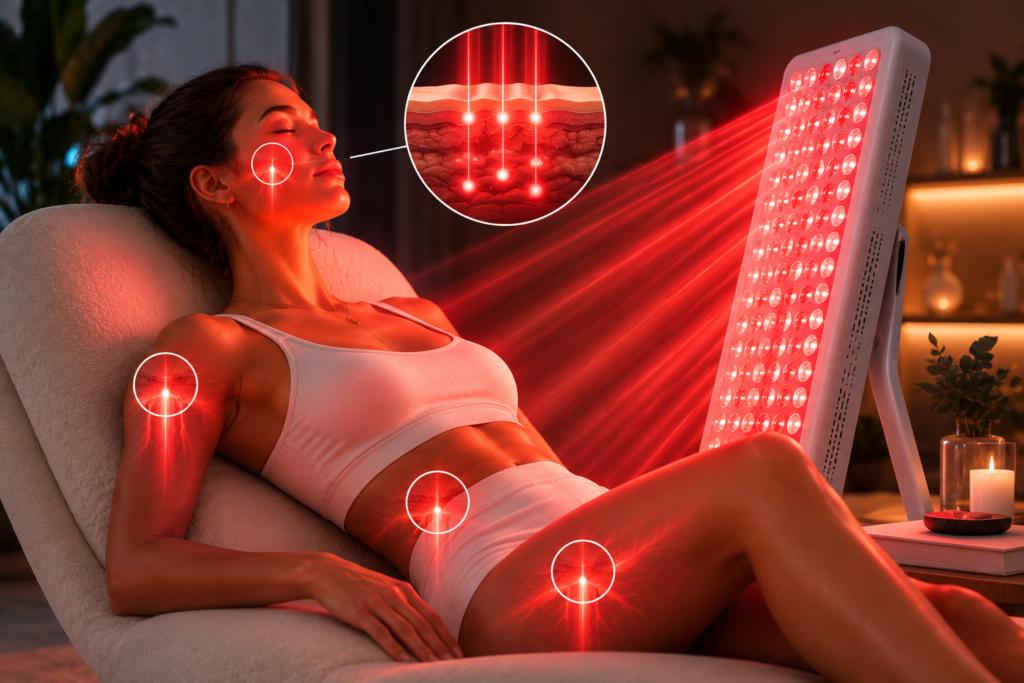
The idea behind using light around exercise comes from how researchers think photobiomodulation works at the cellular level. Specific wavelengths of red and near-infrared light are thought to be absorbed by mitochondria, the energy-producing structures in cells, potentially supporting energy production and influencing signals tied to recovery and inflammation. If that is true, the logic goes, then the moment you apply the light — before muscles are stressed, or after — might change the outcome. [source] The evidence around red light therapy before or after workout remains an active area of investigation.
That logic is plausible, but plausibility is not proof. Studies in this area use different devices, doses, wavelengths, and timing windows, which makes it hard to draw a single clean conclusion. So rather than promising a definitive answer, it is more useful to look at what the research leans toward. For those exploring red light therapy before or after workout, setting realistic expectations matters.
The Case for Using Light Before Exercise
Some of the more interesting findings involve applying light before activity, often called pre-conditioning. A systematic review and meta-analysis of photobiomodulation for muscular performance and fatigue in healthy people examined trials where light was applied before exercise and reported small measured effects on certain performance and fatigue outcomes. The reviewers were careful to note variability across studies, so this should be read as a modest, qualified signal rather than a strong endorsement. [source] Understanding red light therapy before or after workout requires separating marketing claims from published data.
A separate review of photobiomodulation for sport performance and recovery also discusses pre-exercise application as a plausible strategy, while emphasizing that protocols vary widely and that more standardized research is needed. The takeaway is not that pre-workout light is clearly superior, but that there is at least some rationale and some evidence pointing toward using it beforehand for soreness and fatigue-related outcomes. Anyone researching red light therapy before or after workout will find the science is still developing.
What Pre-Workout Use Might Look Like
In practice, people who try this approach typically expose the target muscle groups to the device for the manufacturer’s recommended time before warming up. The theory is that any cellular support is in place before the muscles are challenged. Whether this produces a noticeable difference for you specifically is uncertain, and results vary from person to person. [source] The current state of red light therapy before or after workout research points to early, modest findings.
The Case for Using Light After Exercise
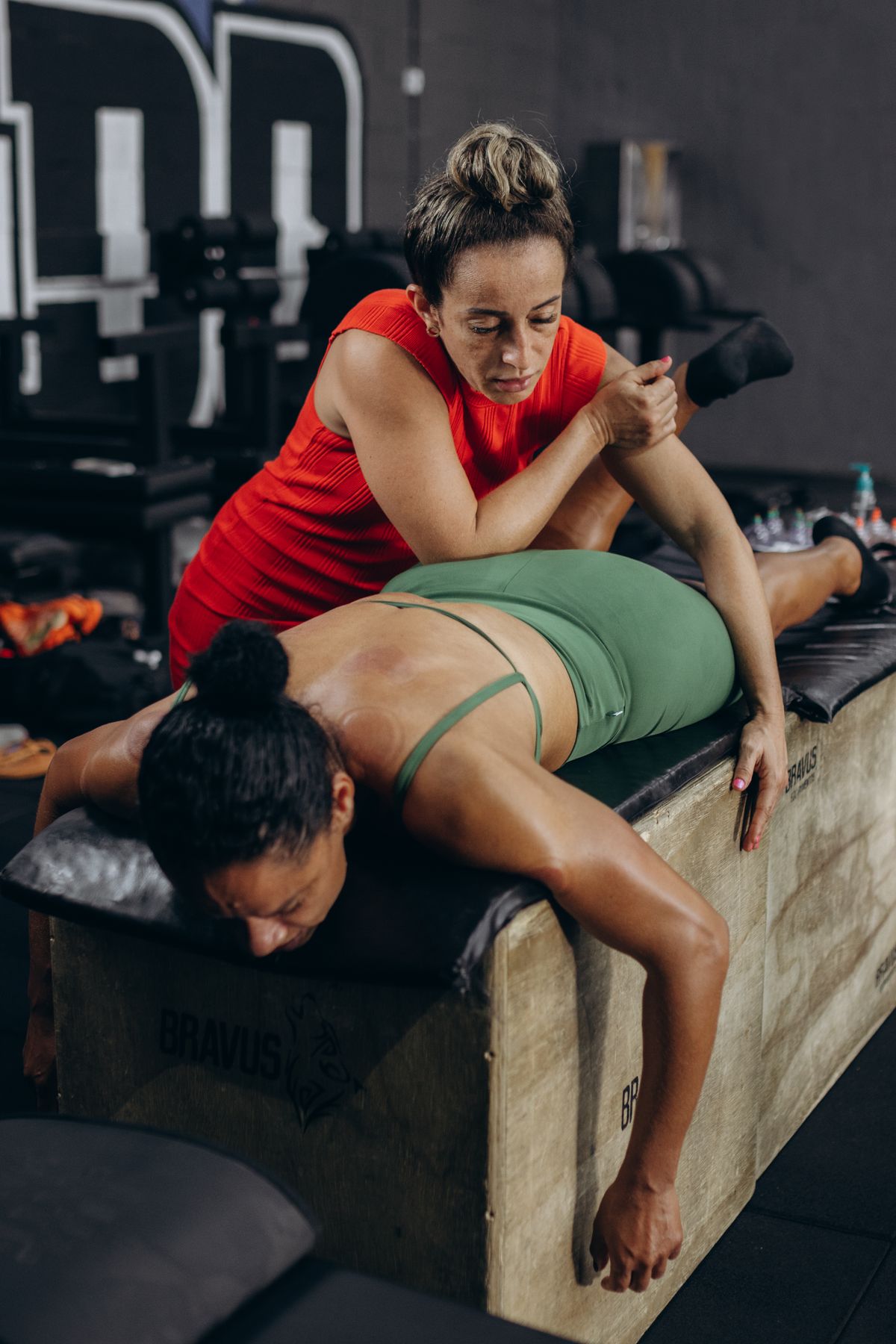
The more intuitive approach for many people is to use red light after training, as part of a cool-down or recovery routine. The reasoning is straightforward: exercise creates temporary muscle stress and soreness, and the hope is that light may support the feeling of recovery afterward. Interest in red light therapy before or after workout has grown alongside broader photobiomodulation research.
Reviews of photobiomodulation for recovery discuss post-exercise use as well, again with mixed results and low-to-moderate certainty. Some trials report reduced markers of muscle fatigue or soreness; others show little difference. Because the studies are not consistent, post-workout use is best viewed as something that may help some people feel more comfortable during recovery, not as a reliable recovery accelerator. Most published reviews on red light therapy before or after workout call for larger, better-controlled trials.
So, Before or After? An Honest Answer
If you are looking for a single correct answer, the current evidence does not provide one. There is a modest lean in some research toward pre-exercise application for performance and fatigue-related outcomes, while post-exercise use remains a reasonable and popular choice for recovery comfort. Neither is proven to be dramatically better, and both depend heavily on dose, device, and the individual. A clear-eyed look at red light therapy before or after workout means separating anecdote from controlled evidence.
A practical way to think about it: if your main interest is in how your muscles feel during a workout and immediately after, the pre-exercise evidence is at least suggestive. If your main interest is post-workout comfort and routine, using it afterward is perfectly sensible. Some people even experiment with both at different times to see what fits their schedule and how they feel. Consulting a healthcare provider about red light therapy before or after workout is always a sensible step.

Why Dose Matters More Than Timing
One reason timing debates can be overblown is that dose appears to matter at least as much as when you apply the light. Research describes a biphasic dose response in low-level light therapy, meaning a moderate dose may be helpful while too little does nothing and too much can reduce or even reverse the effect. This is a crucial, underappreciated point. Devices marketed for red light therapy before or after workout vary widely in power output and wavelength.
In other words, getting the timing perfect but the dose wrong is unlikely to help. Following the device’s guidance on distance and session length is more important than agonizing over whether to flip the switch before or after your sets. More light is not better, and longer sessions are not automatically more effective. Practitioners field frequent questions about red light therapy before or after workout from clients.
Fitting It Into a Real Routine
For most people, the best timing is the one they will actually stick to. If you train in the morning and find it easier to use a panel while you stretch beforehand, that consistency is worth more than a theoretically optimal window you skip half the time. If your device is set up near where you cool down, using it afterward may simply be more realistic. Studies on red light therapy before or after workout have drawn increasing attention from researchers.
Consistency over weeks tends to matter more than any single session, and a sustainable habit usually beats a perfect-on-paper protocol that you abandon. Whatever you choose, expose bare skin to the light, follow the recommended distance and time, and give any routine several weeks before judging it. When examining red light therapy before or after workout, it helps to look carefully at the underlying research.
A Word of Caution: Red light therapy before or after workout Notes
Red light therapy is not a treatment for injuries and does not heal damaged tissue on demand. If you are dealing with pain that is sharp, persistent, severe, or worsening, or if you suspect a strain, sprain, or other injury, that is a signal to pause and speak with a healthcare professional rather than relying on a light device. Red light therapy is not a replacement for medical care, and using it to push through a genuine injury could make things worse.
For most healthy adults at consumer doses, the practice is generally considered low-risk, with mild and temporary side effects such as brief warmth or redness. Even so, anyone who is pregnant, takes medication that increases light sensitivity, or has a relevant medical or eye condition should check with a professional before starting, and eye protection around bright light is a reasonable precaution.
The Bottom Line
There is no proven perfect time to use red light therapy around workouts. Some evidence leans toward pre-exercise use for soreness and fatigue-related outcomes, while post-exercise use is a reasonable choice for recovery comfort, and both are limited by mixed, low-certainty research. Focus on an appropriate dose, a consistent routine, and realistic expectations, and treat any persistent or worsening pain as a reason to see a healthcare professional rather than a problem for a light device to solve.
Frequently Asked Questions
Is it better to use red light therapy before or after a workout?
The evidence does not point to one clear winner. Some research leans toward pre-exercise use for soreness and fatigue-related outcomes, while post-exercise use is a sensible choice for recovery comfort. Results are mixed and vary by person, dose, and device.
Will red light therapy make me stronger or improve my performance?
It may support how muscles feel during recovery for some people, but it is not a guaranteed way to increase strength or improve performance. The evidence is mixed and low-certainty, and it does not replace consistent training.
Does the timing matter more than the dose?
Generally no. Research describes a biphasic dose response, meaning a moderate, appropriate dose matters more than the exact timing. Getting the dose wrong is unlikely to help regardless of when you use it.
Can red light therapy heal a muscle injury?
No. Red light therapy is not a treatment for injuries and does not reliably heal damaged tissue. Sharp, severe, persistent, or worsening pain should be evaluated by a healthcare professional.
How often should I use it around workouts?
Many people use it several times a week, following the manufacturer’s guidance on distance and session length. Consistency over weeks tends to matter more than any single session, and more light is not better.
Ready to get your red light therapy device? See our brand reviews and product reviews, and try out our product comparison tool to inform your decision.