
Burnout has become one of the most common words people use to describe modern exhaustion: the depleted, cynical, running-on-empty feeling that builds when stress goes on too long without enough recovery. If you’re searching for red light therapy burnout information, it’s important to understand that recovery depends on proven habits, with a calming light routine serving only as an optional addition.
Before discussing red light therapy burnout, one point comes first: red light therapy is not a treatment for burnout, depression, anxiety, or any mental health condition. What follows centers on the recovery practices that genuinely help, with red light framed only as a possible calming ritual for those who enjoy it.
Understanding Red Light Therapy Burnout
Burnout is the result of chronic, unmanaged stress, most often linked to work or caregiving but not limited to them. The American Psychological Association, in its overview of how stress affects the body, explains that ongoing stress keeps the body’s stress-response systems activated and can take a toll on nearly every system over time, contributing to fatigue, tension, sleep problems, and difficulty concentrating. Burnout is what can happen when that pressure is sustained without adequate recovery.
Understanding burnout this way points to the real solution: not a single product, but a deliberate reduction in chronic stress paired with genuine rest and recovery. That is where evidence-based habits come in.
The Foundations of Red Light Therapy Burnout Recovery
The American Psychological Association offers practical, evidence-informed guidance on handling stress, and its recommendations form the backbone of any sensible recovery routine. None of them is glamorous, but together they are powerful.
Rest and Sleep
Recovery begins with genuine rest. Protecting sleep, allowing yourself true downtime, and resisting the urge to fill every gap with productivity give your body and mind the space to recover. Sleep in particular is foundational; when it suffers, almost everything else does too.
Boundaries and Workload
Because burnout grows from sustained demand, recovery often requires changing the inputs, not just enduring them better. That can mean setting limits on working hours, learning to say no, delegating, or renegotiating responsibilities. The APA emphasizes that taking control where you can — rather than absorbing endless pressure — is a key part of managing stress.
Movement, Nourishment, and Connection
Regular physical activity, balanced nutrition, and time with people who support you are repeatedly highlighted as healthy ways to handle stress. Social connection in particular is protective; isolation tends to make burnout worse, while leaning on trusted relationships helps buffer it.
Relaxation Practices
Deliberate relaxation — slow breathing, mindfulness, time in nature, or any calming ritual you find restorative — helps counter the chronic activation that drives burnout. The National Center for Complematary and Integrative Health notes that relaxation-oriented and mind-and-body approaches are commonly used to help manage stress. This is the category where a calming light routine, if you enjoy it, can comfortably sit.

Where Red Light Therapy Burnout Routines Fit
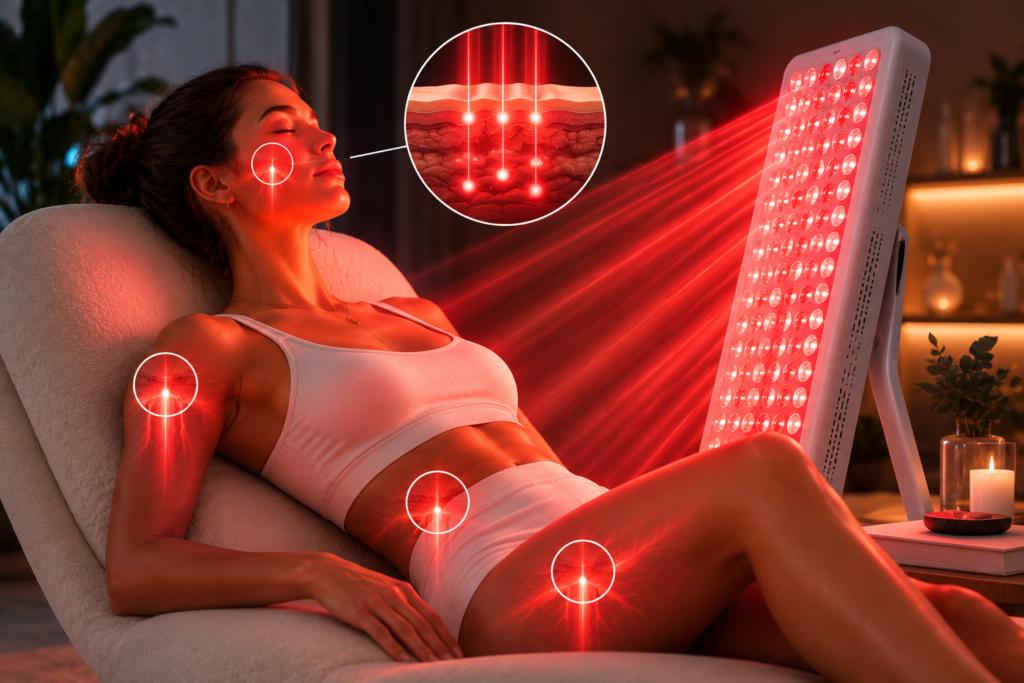
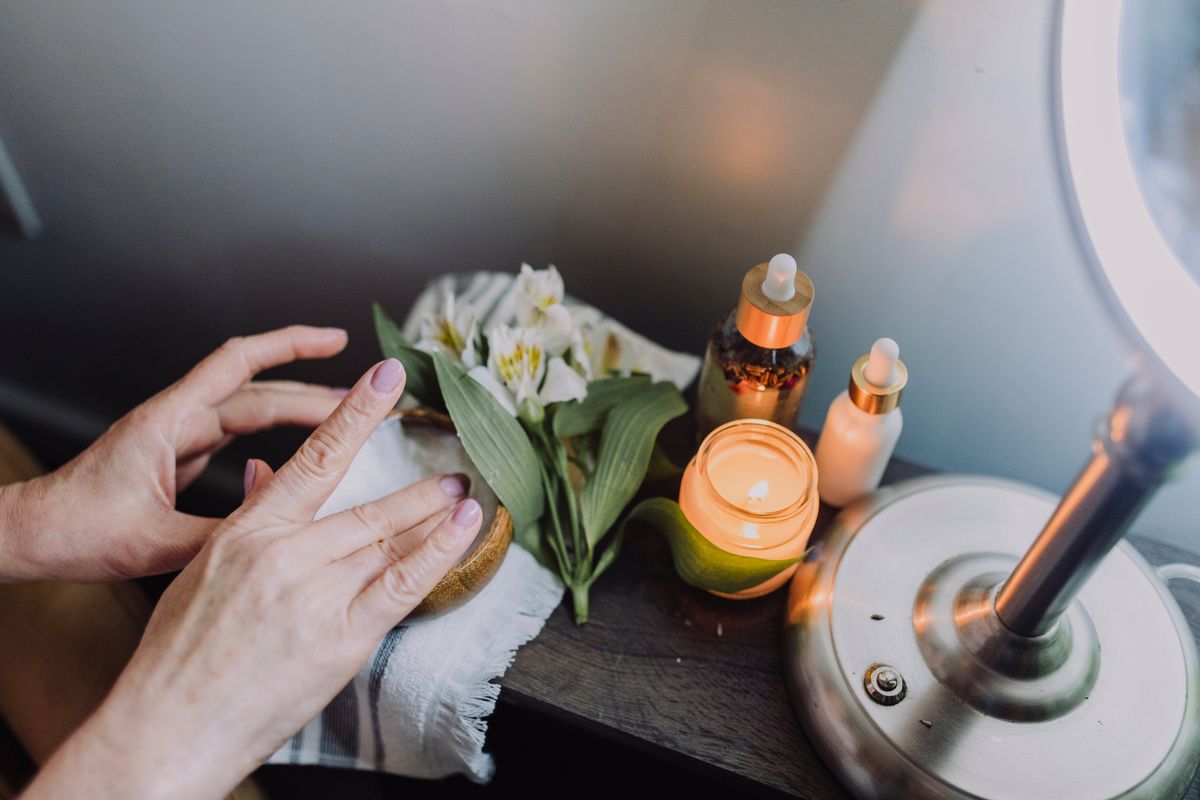
With that foundation in place, here is the modest and honest role a red light routine can play. Some people find that a few quiet minutes bathed in a warm red glow feels soothing — a small signal to the nervous system that the workday is over and it is time to slow down. Used this way, it is a relaxation ritual, similar in spirit to lighting a candle, taking a warm bath, or doing a short stretching routine.
According to Cleveland Clinic, red light therapy uses low levels of red and near-infrared light and is generally low-risk for most healthy adults at consumer doses, with side effects that tend to be mild and temporary. That low-risk profile is what makes it a reasonable optional ritual. But it is essential to keep the framing precise: any benefit here is about the relaxing experience, not a physiological cure for burnout. Red light therapy does not repair the underlying causes of chronic stress, and it cannot substitute for rest, boundaries, or support.
Building a Red Light Therapy Burnout Routine
If you would like to try it, consider attaching a short session to a wind-down routine you are building anyway. For example, in the evening you might dim the lights, put your phone away, spend a few minutes with the red light while breathing slowly, and then read something gentle before bed. The value lies in the whole calming ritual and the boundary it creates around rest, not in the device alone.

Why a Ritual Cannot Do the Heavy Lifting
It is worth pausing on why a calming light habit, however pleasant, cannot resolve burnout on its own. Burnout is driven by an imbalance between demands and recovery that usually plays out over weeks or months. The American Psychological Association’s account of stress on the body makes clear that the toll accumulates from sustained pressure, which means the remedy has to address that pressure: fewer or more manageable demands, and more genuine recovery. A few soothing minutes in the evening does nothing to change an overloaded schedule, an unsustainable workload, or a lack of support. At best it offers a moment of relief within a day that still needs structural change.
This is not a reason to skip calming rituals; small comforts matter when you are depleted. It is a reason to keep them in proportion. If a red light routine becomes the only thing standing between you and exhaustion, that is a sign the real levers — rest, boundaries, workload, and support — are not being pulled hard enough, and that more help may be needed.
Protecting Recovery in Red Light Therapy Burnout
One practical theme runs through all of the foundations above: recovery has to be protected, not left to chance. That can mean treating downtime as a real appointment, guarding your sleep window, or building short pauses into the day rather than waiting for a collapse at the end of it. A calming ritual can help mark those pauses, but the protection itself — the decision to stop, rest, and recover — is what does the work.
When Red Light Therapy Burnout Needs Professional Help
Self-care routines are valuable, but burnout can shade into something that needs professional attention. If you feel persistently hopeless, are unable to function at work or home, experience ongoing sleep disruption, or notice that low mood or anxiety is not lifting, it is time to reach out. Burnout and depression can look similar, and only a professional can help you sort out what is happening and what would help.
Please remember that red light therapy is not a replacement for professional mental health care. If you are overwhelmed, talk to a doctor, therapist, or counselor. In the United States, the 988 Suicide and Crisis Lifeline provides free, confidential support by call or text at 988, around the clock, including for emotional distress and overwhelming stress. Reaching out is a strong and sensible step.
Putting It All Together
A realistic burnout recovery plan starts with the fundamentals: protect rest and sleep, set boundaries on the demands that are draining you, move your body, nourish yourself, and stay connected to people who support you. Add deliberate relaxation, and — if you enjoy it — a calming red light ritual can be one small part of that relaxation, valued for the few peaceful minutes it offers rather than any curative power. Keep professional help firmly on the table for anything that does not ease with rest.
The Bottom Line
Red light therapy burnout routines can provide a calming end-of-day ritual, but lasting burnout recovery depends on rest, boundaries, support, and addressing the underlying causes of chronic stress. A gentle red light routine may be a pleasant, low-risk way to mark the end of the day and encourage relaxation, but it is one optional ritual among many and not a fix. Center your recovery on rest, boundaries, and connection, and seek professional support whenever burnout feels like more than you can manage alone.
Ready to get your red light therapy device? See our brand and product reviews, and try out our product comparison tool to inform your decision.
Frequently Asked Questions
Can red light therapy burnout routines cure burnout?
No. Red light therapy burnout routines may feel relaxing, but they do not treat or cure burnout. Recovery depends on evidence-based habits and, when needed, professional support.No. Red light therapy is not a treatment or cure for burnout. At most it may serve as a calming ritual that some people find relaxing. Genuine recovery depends on rest, boundaries, support, and, when needed, professional care.
What actually helps with burnout recovery?
Evidence-informed habits help most: protecting rest and sleep, setting boundaries on draining demands, regular movement, good nutrition, social connection, and deliberate relaxation. A calming light routine can be one small, optional piece of relaxation.
How might a red light routine fit into recovery?
If you find it soothing, a few quiet minutes with a warm red glow can act as a wind-down signal, much like a warm bath or stretching. The value is in the relaxing ritual, not in any physiological repair of burnout.
How do I know if my burnout needs professional help?
If you feel persistently hopeless, cannot function at work or home, have ongoing sleep problems, or notice low mood or anxiety that is not lifting, reach out to a professional. Burnout and depression can look alike, and a professional can help.
Is red light therapy a substitute for therapy or medical care?
No. Red light therapy is not a replacement for professional mental health care. If you are overwhelmed, contact a doctor, therapist, or the 988 Suicide and Crisis Lifeline (call or text 988) for free, confidential support.
This article is for general educational purposes only and is not medical advice. Red light therapy is not a substitute for professional care. Talk with a qualified healthcare professional about your individual situation.