A consistent, calming wind-down routine is one of the most practical things you can do for better rest. Many people who use red light therapy are curious about whether it belongs in that evening ritual. The short answer is that it can — not as a guaranteed sleep aid, but as one relaxing element within a routine built on proven sleep habits. This article explains how to fold red light therapy into a sensible wind-down, while keeping expectations grounded in what the evidence supports. Studies on red light therapy evening routine have drawn increasing attention from researchers.
The key idea to carry throughout is this: with sleep, the routine and the dim-light context tend to matter more than any single device. Red light therapy may add a pleasant ritual, but the foundation is good wind-down habits. When examining red light therapy evening routine, it helps to look carefully at the underlying research.
Why a Wind-Down Routine Helps
The body does not switch from full activity to sleep like flipping a light switch. It needs time to transition. The Sleep Foundation recommends building a relaxing pre-bed routine and keeping consistent habits, because a predictable sequence of calming activities signals to the body and mind that sleep is approaching. A wind-down routine helps lower arousal, ease the mental load of the day, and create the conditions for sleep to come more naturally. [source] The evidence around red light therapy evening routine remains an active area of investigation.
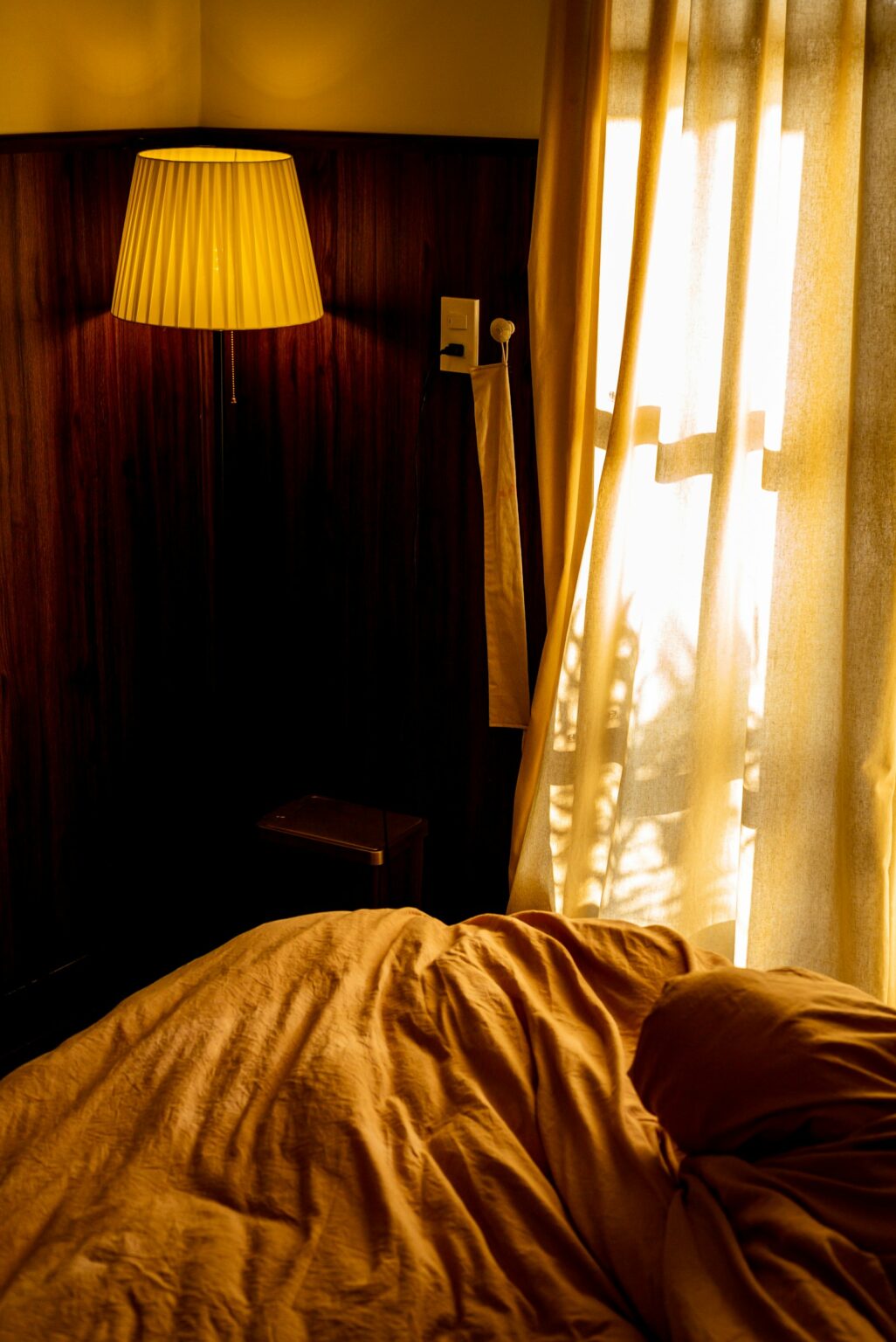
Equally important is the light environment. As light fades in the evening, the body prepares for sleep, in part through the rise of melatonin. Bright, blue-enriched light works against this, while dim, warm light supports it. A good wind-down routine therefore pairs calming activities with low, warm lighting. For those exploring red light therapy evening routine, setting realistic expectations matters.
Where Red Light Therapy Could Fit
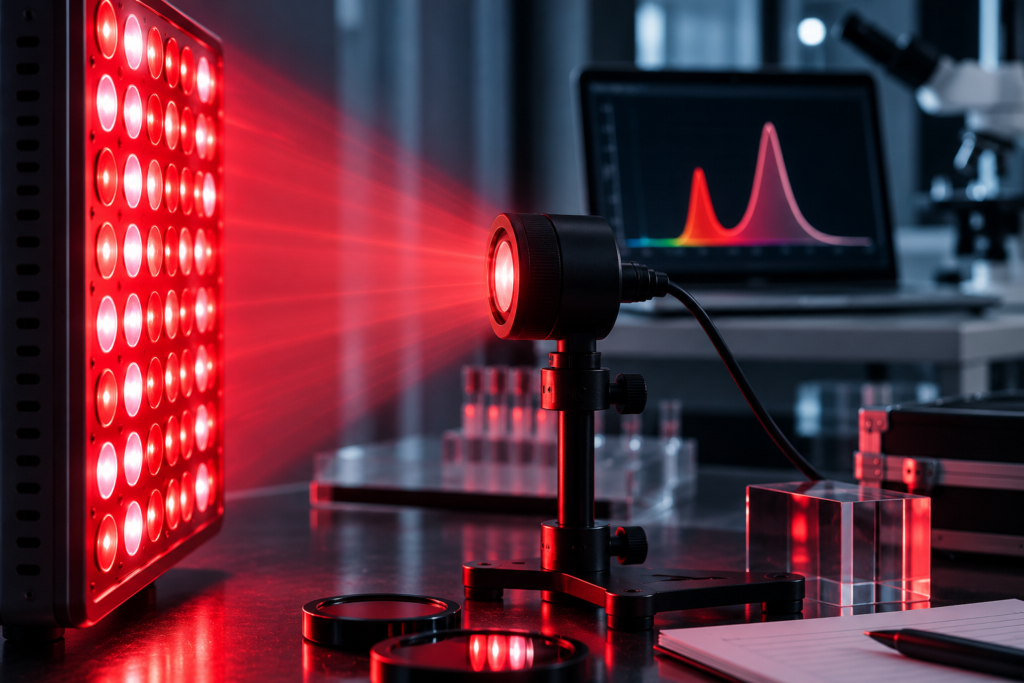
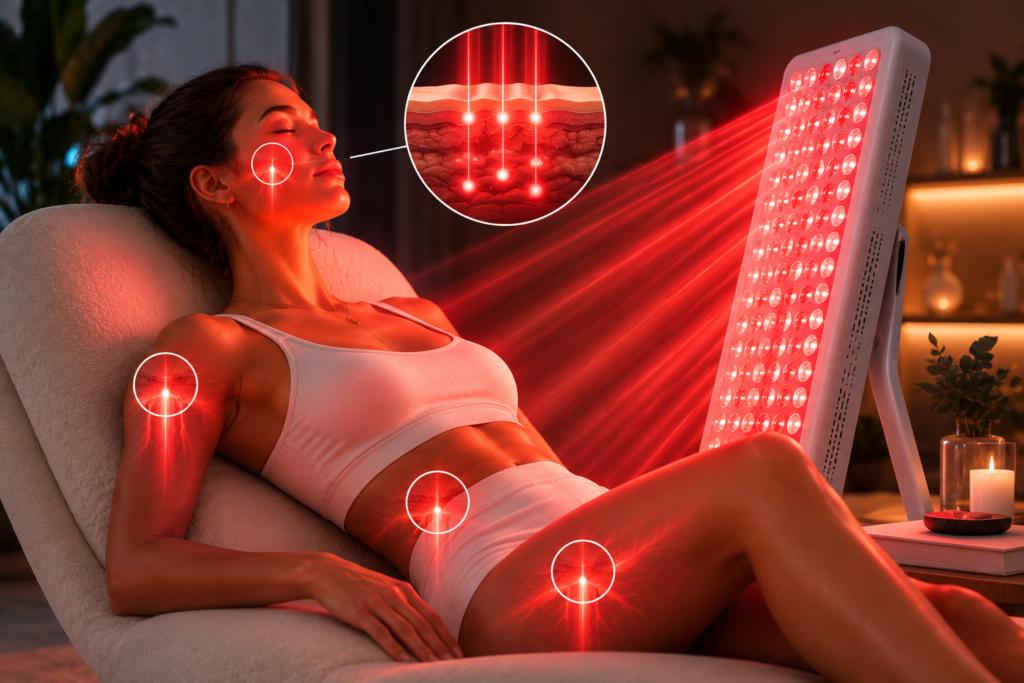
Red light therapy uses low-intensity red and near-infrared light on the skin. Importantly, red wavelengths appear to have minimal melatonin-suppressing effect, unlike bright blue light. That means a warm red glow in the evening is less likely to interfere with the natural wind-down process than scrolling on a bright phone screen. [source] Understanding red light therapy evening routine requires separating marketing claims from published data.
This is why red light therapy can slot comfortably into an evening routine. A few quiet minutes with a red light device, lights otherwise dimmed and screens set aside, fits the spirit of good light hygiene. The single small trial that looked at red light therapy and sleep — conducted in female basketball players — hinted at a possible benefit to sleep quality, but that evidence is very limited and preliminary, drawn from one small study in athletes. It is not a basis for promising better sleep, and red light therapy is not a treatment for insomnia or any sleep disorder. Anyone researching red light therapy evening routine will find the science is still developing.
The Ritual May Matter as Much as the Light
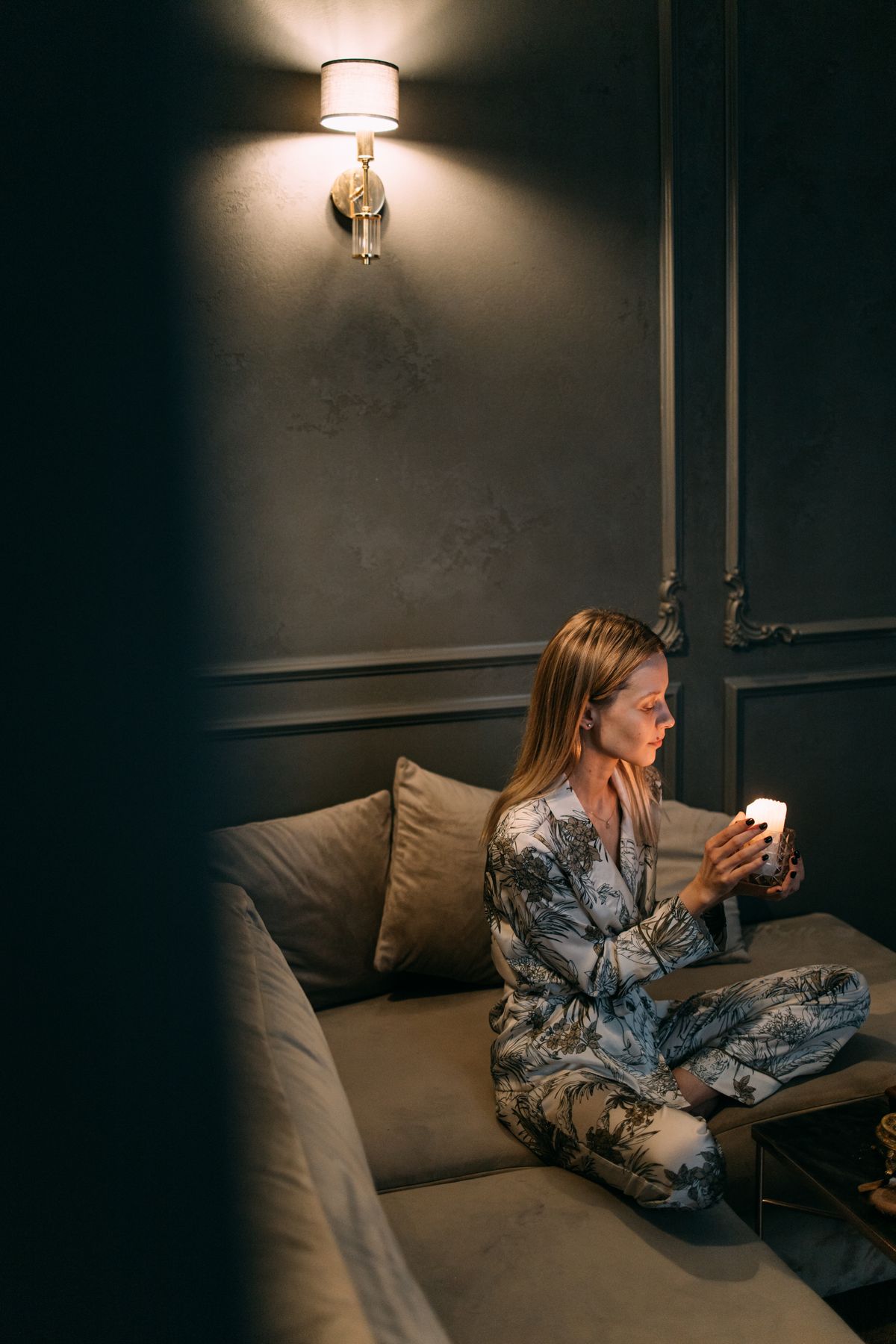
It is worth being candid about why a red light session might feel helpful. Sitting quietly for several minutes, away from screens and bright overhead lights, in a warm and calm setting, is itself a relaxing act that aligns with established sleep advice. Much of the perceived benefit may come from the ritual and the dim-light context rather than from the light hitting your skin. That does not make the routine worthless — calming rituals are genuinely useful — but it does mean the device is a small part of a larger, more important whole. [source] The current state of red light therapy evening routine research points to early, modest findings.

Building a Simple Evening Wind-Down
A good routine does not need to be elaborate. The goal is a consistent, calming sequence in the hour or so before bed. Here is one balanced way to structure it, with red light therapy as an optional element. Interest in red light therapy evening routine has grown alongside broader photobiomodulation research.
Dim the Lights Early
Begin lowering the lights about an hour before bed. Switch off bright overhead lighting in favor of dim, warm lamps. Reduce screen brightness or step away from devices, since bright, blue-enriched light can work against the body’s wind-down. This single change is strongly supported by sleep guidance. Most published reviews on red light therapy evening routine call for larger, better-controlled trials.
Choose Calming Activities
Fill the time with quiet, low-stimulation activities you find relaxing: reading a physical book, gentle stretching, a warm shower, light tidying, or breathing exercises. The aim is to lower arousal and let the day’s tension ease. A clear-eyed look at red light therapy evening routine means separating anecdote from controlled evidence.
Add Red Light Therapy, If You Like
If you choose to include red light therapy, treat it as one calming station in the routine. Follow the device’s guidance on distance and session length, protect your eyes from bright light as recommended, and use it in an already dim room so the rest of your environment stays sleep-friendly. Keep sessions modest; more is not better, and there is no need to overdo it. Cleveland Clinic notes that red light therapy at consumer doses is generally low-risk for most healthy adults, though it is sensible to check with a professional if you are pregnant, take photosensitizing medication, or have a relevant condition. Consulting a healthcare provider about red light therapy evening routine is always a sensible step.
Keep the Bedroom for Sleep
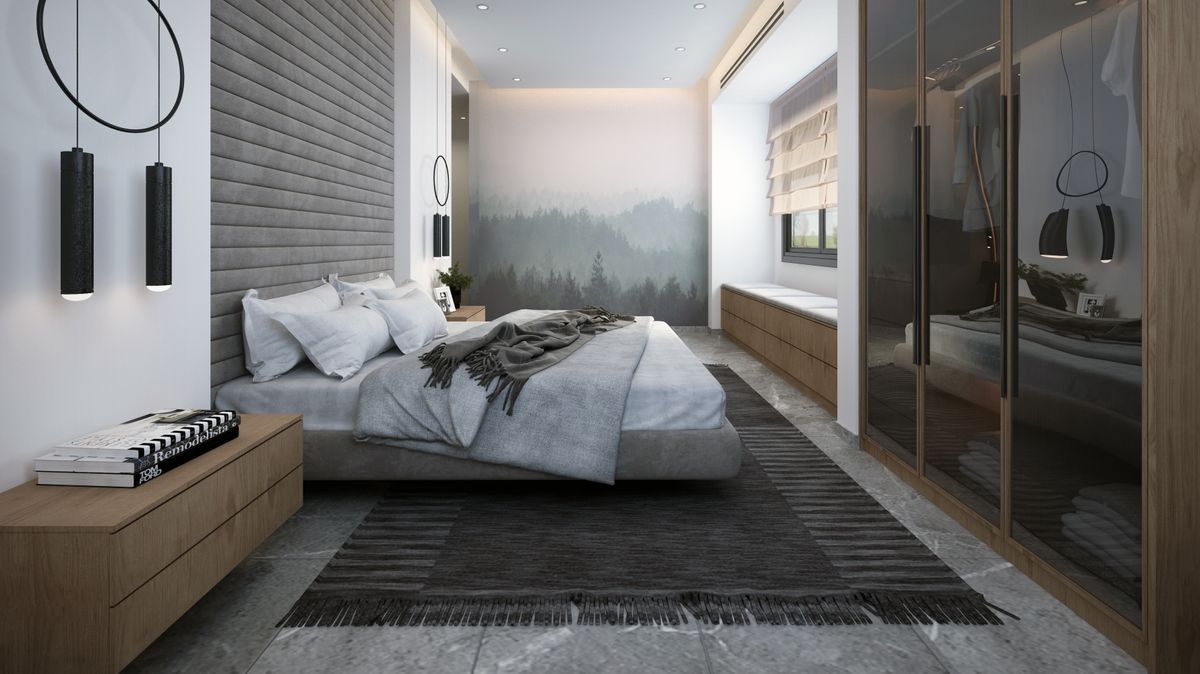
Finish by moving into a cool, dark, quiet bedroom. Consistency in your bedtime and the sequence of steps helps the routine work, because the body comes to associate the pattern with sleep. Devices marketed for red light therapy evening routine vary widely in power output and wavelength.
Setting Realistic Expectations
It would be misleading to suggest that adding red light therapy will reliably improve your sleep. The evidence is thin, results vary from person to person, and any effect may owe more to the relaxing routine than to the device itself. The honest framing is that red light therapy may support a relaxing wind-down for some people, as one optional part of a healthy routine. Practitioners field frequent questions about red light therapy evening routine from clients.
If you try it, give the whole routine — not just the device — a fair chance over several weeks, and notice how you feel. Be willing to keep what helps and drop what does not. And remember that no wind-down ritual replaces the core fundamentals of sleep. Studies on red light therapy evening routine have drawn increasing attention from researchers.
The Habits That Matter Most: Red light therapy evening routine Notes
Whatever role red light therapy plays, the foundation of good sleep lies in well-established habits. The Sleep Foundation highlights keeping a consistent sleep schedule, getting bright light during the day and dim light at night, staying physically active, being mindful of caffeine and alcohol, and keeping the bedroom cool, dark, and quiet. These have far stronger evidence than any device, and they are where your energy is best spent. When examining red light therapy evening routine, it helps to look carefully at the underlying research.
If you regularly have trouble sleeping despite good habits, that is a signal to see a healthcare professional rather than to lean harder on a wellness device. Persistent sleep problems can have underlying causes that deserve proper care, and red light therapy is not a substitute for medical attention.
Common Mistakes to Avoid
A few missteps can undermine an otherwise sensible wind-down routine. The first is treating red light therapy as the centerpiece rather than a minor accent; the calming sequence and dim-light environment do the meaningful work, and an expensive device cannot compensate for an inconsistent schedule or a bright, stimulating bedroom. The second is overdoing sessions in the hope of a bigger effect. With light-based devices, more is not better, and there is no reason to extend sessions beyond the manufacturer’s guidance. The third is using a bright device in an otherwise dark room and then checking a phone moments later, which reintroduces exactly the kind of bright, blue-enriched light the routine is meant to avoid.
Another common error is expecting overnight results. Sleep habits tend to shift gradually, and a fair evaluation of any routine takes weeks of consistency rather than a single night. Finally, some people abandon the proven fundamentals once they add a device, as though the gadget replaces good habits. It does not. Red light therapy, at best, sits alongside the basics; it never substitutes for them.
Keeping the Routine Sustainable
The best wind-down routine is one you will actually keep. Elaborate rituals tend to collapse after a few busy evenings, so favor a short, repeatable sequence over an ambitious one. If red light therapy is part of it, keep the session brief and fold it into something you already do, such as the few minutes after a warm shower. Sustainability and consistency matter more than perfection, because the body responds to a steady, predictable pattern far better than to occasional elaborate efforts.
The Bottom Line
Red light therapy can be a pleasant, optional part of an evening wind-down, mainly because a warm, dim light source and a calming ritual fit naturally with good sleep habits. But the routine and the low-light context matter more than the device, the evidence for direct sleep benefits is very limited, and red light therapy is not a treatment for any sleep disorder. Build your wind-down on proven fundamentals, add red light therapy only if you enjoy it, and keep your expectations realistic.
Frequently Asked Questions
When should I use red light therapy in my evening routine?
If you choose to use it, treat it as one calming step in the hour before bed, in an already dim room, following the device’s guidance on time and distance.
Will red light therapy guarantee better sleep?
No. The evidence is very limited and results vary. Any benefit may come largely from the relaxing routine and dim-light context rather than the device itself.
Is red light better than screen light before bed?
Red wavelengths appear to have minimal melatonin-suppressing effect, while bright, blue-enriched screen light can work against wind-down. Dimming screens is still wise.
How long should an evening red light session be?
Follow the manufacturer’s recommended time and distance. Sessions are typically brief, and more is not better. Keep eye protection in mind as advised.
What matters most for a good wind-down routine?
Consistency and a calming, dim-light environment matter most: a steady schedule, low warm lighting, relaxing activities, and a cool, dark, quiet bedroom.
Ready to get your red light therapy device? See our brand reviews and product reviews, and try out our product comparison tool to inform your decision.