Walk into a well-equipped training facility and you may now see red light panels alongside the foam rollers and ice baths. Athletes, from weekend competitors to professionals, are among the most enthusiastic users of red light therapy. This article looks at how red light therapy is actually used in sport, what is genuinely promising versus unproven, why dose matters so much, and how to keep expectations realistic. Studies on red light therapy for athletes have drawn increasing attention from researchers.
The balanced view for athletes is that some research suggests red light therapy may support recovery-related outcomes such as soreness and fatigue, while claims about reliable performance gains are not well supported. Used thoughtfully and at sensible doses, it can be a reasonable part of a recovery toolkit — not a performance guarantee. When examining red light therapy for athletes, it helps to look carefully at the underlying research.
What Red Light Therapy Is
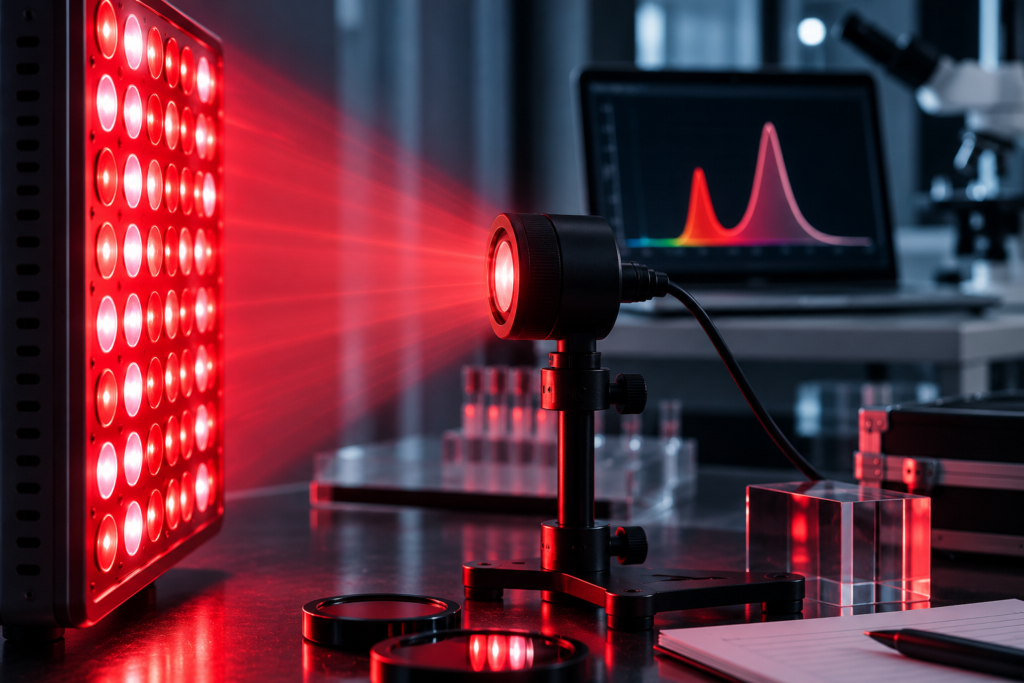
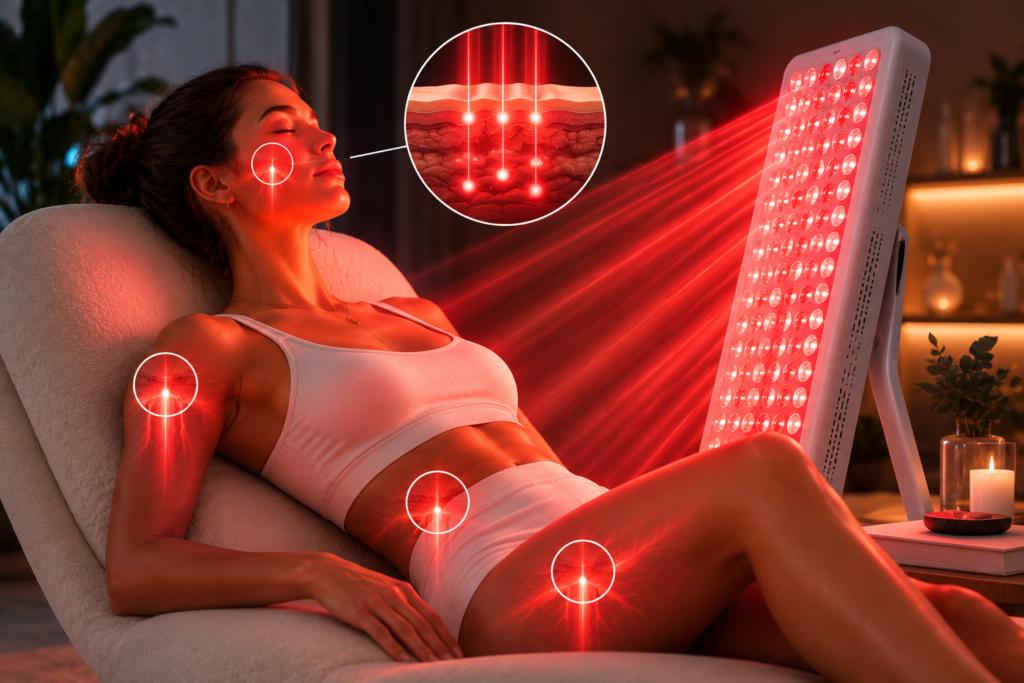
Red light therapy, also called photobiomodulation (PBM) or low-level light therapy (LLLT), uses low-intensity red and near-infrared light. The professional body in this field, the World Association for Photobiomodulation Therapy (WALT), reflects the growing scientific and clinical interest in light-based approaches and the ongoing effort to standardize how they are studied and applied. Near-infrared wavelengths are often emphasized for muscle goals because they can reach deeper than visible red light. [source] The evidence around red light therapy for athletes remains an active area of ongoing investigation.
The proposed mechanism involves light being absorbed by cellular targets, potentially supporting energy production and signaling related to recovery. As with any application, a plausible mechanism is not the same as proven performance benefit. For those exploring red light therapy for athletes, setting realistic expectations is important.
How Athletes Commonly Use It
In practice, athletes typically use red light therapy in one of a few ways. Some expose major muscle groups to a panel before training or competition, hoping to support readiness or reduce fatigue. Others use it after sessions as part of a recovery routine, aiming to ease soreness. Targeted wraps or pads are sometimes applied to specific areas that take heavy loading. [source] Understanding red light therapy for athletes requires separating marketing claims from published data.
Sessions usually last several minutes per area and are repeated across the training week. As with other uses, consistency over time tends to matter more than any single session, and the device is one element within a broader recovery plan that includes sleep, nutrition, and load management. Anyone researching red light therapy for athletes will find the science is still developing rapidly.
Why Light Therapy Appeals to Athletes
It is easy to see why this practice has caught on in sport. Athletes are highly motivated to find any legitimate edge in recovery, sessions are short and easy to slot between training blocks, and the experience is passive and low-effort compared with most recovery work. There is also a strong culture of trying tools that peers and professional teams use. None of that enthusiasm is evidence of effectiveness, though, and it can quietly raise expectations beyond what the research supports. A clear-eyed athlete separates the appeal of a tool from its proven value, and treats anecdote and gym-floor popularity as reasons to investigate carefully rather than as proof. [source] The current state of red light therapy for athletes research suggests modest, early-stage findings.
What Is Promising
The most promising area for athletes is recovery. A systematic review and meta-analysis of photobiomodulation for muscular performance and fatigue in healthy people reports that light therapy may improve some measures of fatigue and muscular performance and reduce markers associated with muscle stress when used at appropriate doses. A review of photobiomodulation for acute tissue injury and sport performance recovery similarly describes signals that light exposure may support recovery-related outcomes such as soreness and fatigue in some studies. Interest in red light therapy for athletes has grown alongside broader photobiomodulation research.
These findings make recovery support a reasonable, evidence-informed reason for athletes to explore red light therapy — with the understanding that effects are often modest and not universal. Practitioners sometimes field questions about red light therapy for athletes from curious clients.
What Is Unproven
Claims that red light therapy reliably boosts strength, speed, power, or competitive performance go beyond what the evidence supports. Where studies examine performance outcomes, results are mixed and inconsistent, with clearer signals for fatigue and recovery measures than for raw performance gains. There is no good basis for promising guaranteed performance improvements. Most published reviews on red light therapy for athletes call for larger, standardized clinical trials.
Athletes should be especially wary of marketing that frames red light therapy as a performance enhancer. The honest position is that it may aid recovery for some, while its impact on performance is uncertain at best. A thoughtful look at red light therapy for athletes means separating anecdote from controlled evidence.
Separating Recovery Claims From Performance Claims
A helpful habit is to mentally sort any claim into one of two buckets: recovery or performance. Recovery claims — that light may ease soreness or fatigue — have at least some supporting research and can be approached as plausible but modest. Performance claims — that light will make you faster, stronger, or more powerful in competition — outrun the evidence and deserve skepticism. Marketing often blurs the two on purpose, implying that a possible recovery benefit translates into a guaranteed competitive edge. It does not follow, and keeping the buckets separate protects you from paying a premium for promises the science has not earned. Devices marketed for red light therapy for athletes vary widely in power output and wavelength.
Why Dose Matters
For athletes, dose is not a detail — it is central. Research describes a biphasic dose response, meaning a moderate, appropriate dose may help while too little does nothing and too much can reduce or even reverse the benefit. The dose reaching muscle depends on wavelength, the device’s output, the distance from the skin, and session length. Studies on red light therapy for athletes have drawn increasing attention from researchers.
This has a practical implication that runs counter to a common athlete instinct: more is not better. Doubling session time or sitting too close in hopes of a bigger effect can be counterproductive. Following the device’s guidance on distance and time, with attention to its stated wavelengths and output, is the sensible approach. When examining red light therapy for athletes, it helps to look carefully at the underlying research.
Setting Realistic Expectations
Even in a serious training context, expectations should stay grounded. Where benefits appear in research, they tend to be modest and are not guaranteed for any individual. Red light therapy does not heal injuries reliably, does not eliminate soreness, and does not ensure better performance. Some athletes may feel a subtle difference in recovery; others may notice little.
The most useful mindset is to treat red light therapy as a low-risk, optional addition to a recovery program built on proven fundamentals — sleep, nutrition, periodized training, and adequate rest — rather than as a competitive edge in itself.
When to See a Professional
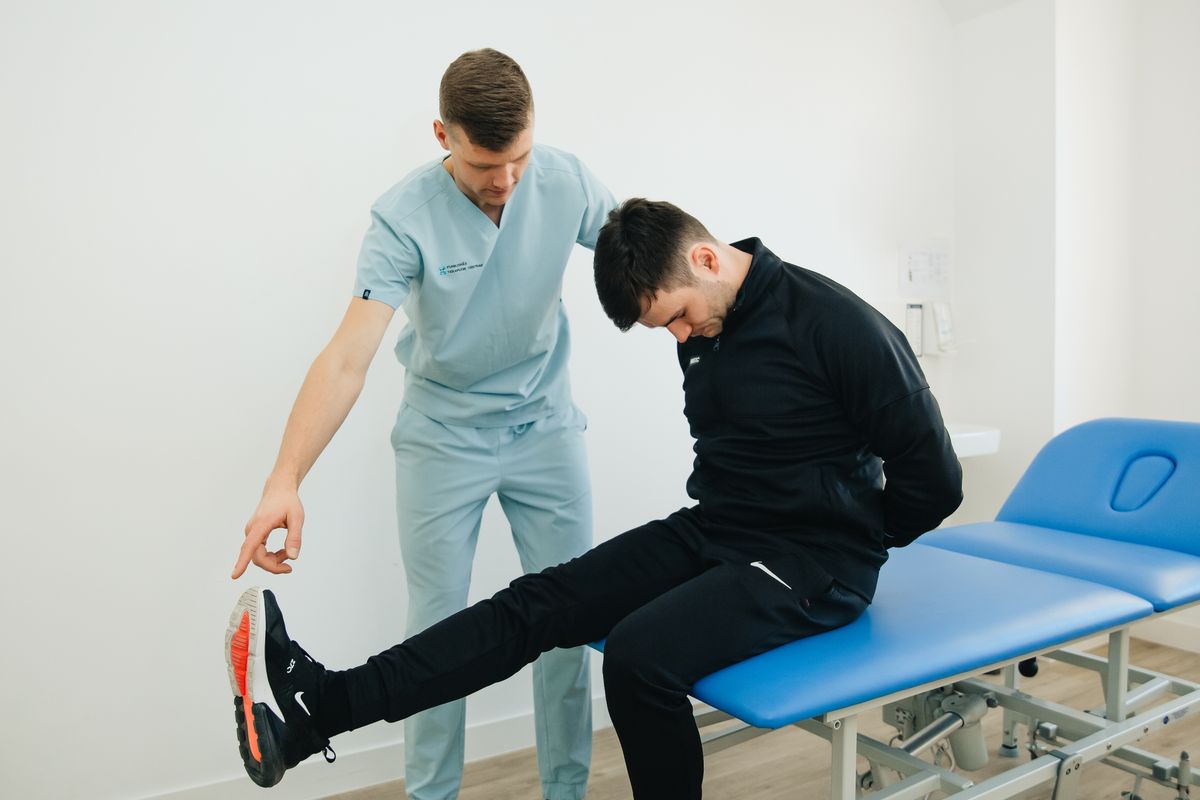
Athletes push their bodies, which makes distinguishing normal soreness from injury especially important. Pain that is sharp, severe, persistent, or worsening, swelling that does not settle, joint instability, numbness, or symptoms following a specific incident all warrant evaluation by a healthcare professional or sports medicine clinician. Red light therapy is not a diagnostic or treatment tool and should never delay appropriate care for a possible injury.
Who Should Be Cautious: Red light therapy for athletes Research Notes
For most healthy adults, red light therapy at consumer doses is generally considered low-risk, with mild and temporary side effects such as brief warmth or redness. Athletes who are pregnant, who take medications that increase light sensitivity, or who have a relevant medical or eye condition should consult a healthcare professional first. Eye protection from bright light is a sensible precaution, particularly with near-infrared-heavy devices whose light is largely invisible.
A Sensible Approach for Athletes
If you want to add red light therapy to your routine, keep it simple and evidence-aligned. Choose a device with clearly stated wavelengths and output, expose bare skin over the relevant muscles at the recommended distance and time, and use it consistently rather than sporadically. Keep sleep, nutrition, and training structure as your priorities, judge the routine over several weeks, and treat any promotional performance promises with healthy skepticism.
The Bottom Line
For athletes, red light therapy is a generally low-risk practice that some research suggests may support recovery-related outcomes such as soreness and fatigue, while claims of reliable performance gains are unproven. Dose matters greatly, and more is not better. Used as a modest, consistent addition to a recovery program founded on sleep, nutrition, and smart training — and with realistic expectations — it can be a reasonable tool, but it is not a competitive shortcut.
Frequently Asked Questions
Do athletes really benefit from red light therapy?
Some research suggests it may support recovery-related outcomes such as soreness and fatigue, which is the most promising use for athletes. Effects tend to be modest and are not guaranteed, and it is best treated as one part of a broader recovery plan.
Can red light therapy improve athletic performance?
Claims of reliable performance gains are not well supported. Studies examining performance outcomes are mixed, with clearer signals for recovery and fatigue than for strength, speed, or power.
Why does dose matter so much for athletes?
Research describes a biphasic dose response, meaning a moderate dose may help while too much can reduce or reverse the benefit. More is not better, so following device guidance on distance and time is important. Learn more about red light therapy and joint comfort.
When should athletes use it, before or after training?
Athletes use it both before and after sessions, and research has reported possible benefits in each case. There is no single proven timing, so consistency and sensible dosing matter more than the exact moment. Learn more about red light therapy for muscle recovery.
Is red light therapy safe for athletes?
At consumer doses it is generally considered low-risk for healthy adults, with mild, temporary side effects. Protect your eyes, follow device guidance, and consult a professional if pregnant, taking photosensitizing medication, or managing a medical condition or injury.
Ready to get your red light therapy device? See our brand reviews and product reviews, and try out our product comparison tool to inform your decision.