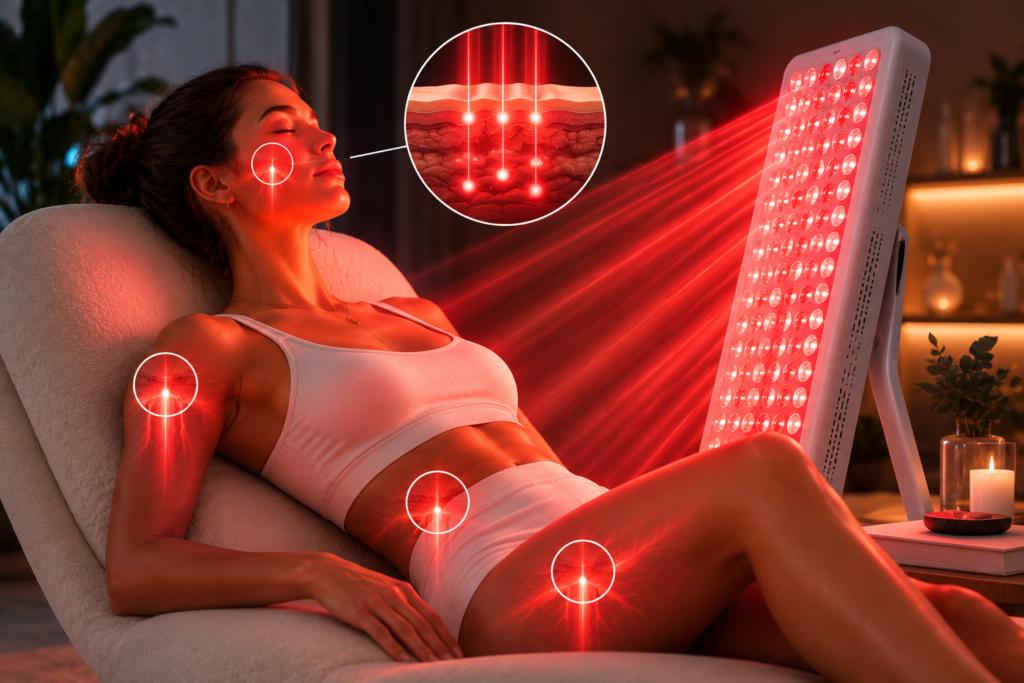
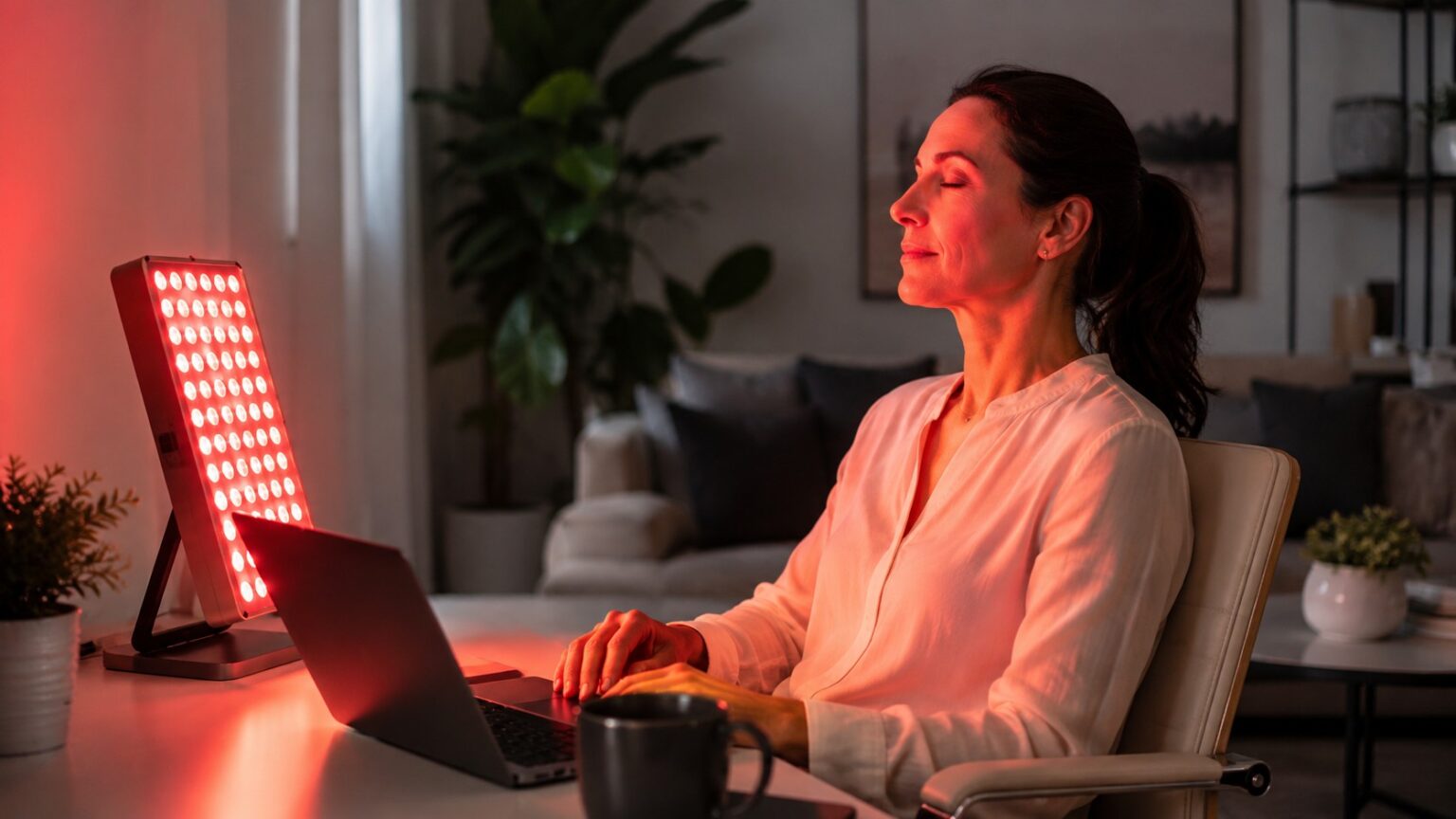
For people with demanding schedules, the biggest barrier to any wellness habit is not motivation—it is time. Red light therapy can feel like one more thing to fit into an already crowded day. The good news is that its typical session length is short, and its rhythm rewards consistency over intensity, which makes it surprisingly compatible with a busy professional life when approached realistically.
This guide explains how red light therapy for busy professionals can fit into a demanding schedule through short, consistent sessions and realistic expectations.
Red Light Therapy for Busy Professionals Doesn’t Take Long
Many red light therapy sessions run somewhere between five and twenty minutes, depending on the device and goal. That is comparable to the time spent on a coffee break or a short stretch. You do not need a dedicated hour or a separate appointment; you need a few protected minutes a handful of times per week. Framing it this way removes much of the perceived friction.
It also helps to remember the dosing principle from the research. Huang and colleagues describe a biphasic dose response, meaning a moderate dose tends to be the goal, and more is not automatically better. For a busy person, this is reassuring: stretching sessions longer to “make up” for a hectic week is neither necessary nor advisable.
Why Red Light Therapy for Busy Professionals Requires Consistency
If there is one principle that matters most for time-pressed users, it is that regular, modest sessions tend to align better with the research than sporadic, intense ones. Studies that report benefits generally involve weeks of consistent use. A realistic plan of several short sessions a week, sustained over time, is far more valuable than an ambitious schedule that collapses under a busy calendar.
This reframes the goal. Instead of asking “how can I do longer sessions?” the better question is “how can I make short sessions automatic?” That is a logistics problem, and logistics problems have practical solutions.
Habit Stacking for Red Light Therapy for Busy Professionals
The most reliable way to fit a new habit into a full day is to anchor it to an existing one—a technique often called habit stacking. Because red light therapy requires you to be relatively still for a few minutes, it pairs naturally with routines you already have.
Morning Anchors
A compact panel on a desk or bathroom counter can run during an existing morning ritual: reviewing the day’s calendar, a skincare step, or the first few minutes of the workday before meetings begin. Tying the session to something you already do every morning removes the need to “remember” it.
Evening Anchors
For others, the end of the day works better—after a workout, during a wind-down routine, or while catching up on reading. The specific anchor matters less than its reliability. Choose a moment that already happens consistently, and attach the session to it.
Making Red Light Therapy for Busy Professionals Easy
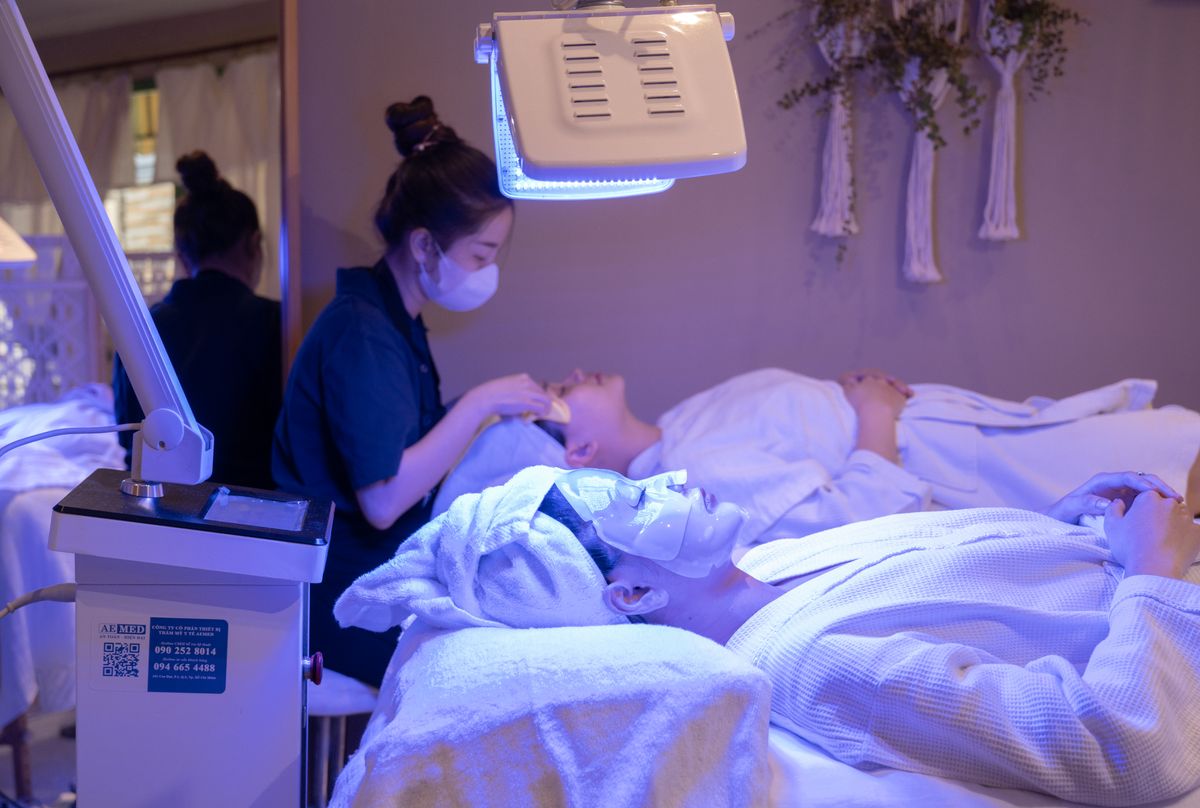
The easier a habit is to start, the more likely it is to survive a busy week. Keep the device in the place where you will actually use it rather than tucked away in a closet. Make sure you can expose the relevant area of bare skin easily, since light does not pass effectively through clothing. Position the device at the manufacturer’s recommended distance and leave it set up so you are not re-measuring each time. Small conveniences compound into consistency.
Don’t Sacrifice Safety for Speed
A packed schedule can tempt people to cut corners, but a few safety basics are worth keeping even when you are rushing. Protect your eyes from bright light, particularly with near-infrared-heavy devices or when a panel is near your face. Resist the urge to compress a week’s worth of sessions into one long blast, which runs against the dosing research. And if you are pregnant, take medications that increase light sensitivity, or have a relevant eye or skin condition, check with a healthcare professional before starting—being busy is not a reason to skip individualized advice when your situation calls for it.
Realistic Expectations for Red Light Therapy for Busy Professionals
Busy professionals are often results-oriented, which can lead to impatience with a practice that works gradually, if at all, for a given person. It is worth internalizing what the science suggests. Researchers, including Michael Hamblin, describe a plausible cellular mechanism by which red and near-infrared light may support cellular energy and signaling, but a credible mechanism is not a guarantee of a specific outcome. Cleveland Clinic frames red light therapy as a low-intensity approach that may support certain goals rather than a proven cure-all.
The realistic expectation is subtle, gradual change—if any—over weeks of consistent use, with responses varying from person to person. Red light therapy is best viewed as one supportive habit within a broader routine that includes sleep, movement, and stress management, not a quick fix that compensates for those fundamentals.
A Weekly Plan for Red Light Therapy for Busy Professionals
To make this concrete, imagine a professional who uses a compact panel for a short session three or four mornings a week, attached to an existing routine, at the manufacturer’s recommended distance and time. On especially hectic days, they skip rather than overcompensate later, and they protect their eyes throughout. Over several weeks, this modest, repeatable pattern reflects how the research is typically structured far better than an all-or-nothing approach. The point is not the exact numbers, which depend on the device, but the rhythm: short, consistent, sustainable.
Travel Tips for Red Light Therapy for Busy Professionals
Frequent travel is one of the biggest threats to any routine, and professionals often face it. The realistic approach is flexibility rather than rigidity. Some people choose a compact, portable device so a short session can continue on the road, while others simply accept that travel weeks are lighter and resume their normal rhythm on returning. Neither choice is wrong. What matters is avoiding the two extremes: abandoning the habit entirely after one disruption, or trying to “catch up” with marathon sessions that run against the dosing research. A practice that bends with your schedule is far more likely to survive a year of travel than one that demands perfection.

Letting the Routine Earn Its Place
Busy people are right to be protective of their time, so it is reasonable to periodically ask whether a habit is worth keeping. With red light therapy, that judgment is fairer after several weeks of genuine consistency than after a scattered few days. Keeping a brief record of when you use the device—and any changes you notice in the goal you care about—gives you an honest basis for deciding whether it deserves its slot in your routine. If, after a fair trial, it is not adding value for you, letting it go is a perfectly sensible decision. The goal is a routine that serves your life, not one you maintain out of obligation.
When Not to Force It
Finally, it is worth saying that red light therapy should fit your life, not dominate it. If a particular week genuinely has no room, missing sessions is not a failure—it is simply part of a sustainable long-term habit. The practice is a complement to good health and any care a professional recommends, never a substitute, and treating it with that proportion keeps it from becoming one more source of stress in an already full schedule.
The Bottom Line
Red light therapy fits a busy life better than many people expect, because sessions are short and consistency matters more than intensity. Anchor it to an existing routine, set it up for minimal friction, keep the basic safety habits even when rushed, and hold realistic expectations of gradual, individual results. Approached this way, it can be a low-effort, sustainable addition to a demanding schedule rather than another obligation.
Ready to get your red light therapy device? See our brand and product reviews, and try out our product comparison tool to inform your decision.
Frequently Asked Questions
How much time does a red light therapy session take?
Sessions often run roughly five to twenty minutes depending on the device and goal, so they can fit into a short break rather than requiring a dedicated appointment.
Is it better to do one long session or several short ones?
Several short, consistent sessions tend to align better with the research than occasional long ones, since studies that report benefits generally involve weeks of regular use. More light in one sitting is not automatically better.
Can I use red light therapy at my desk while working?
Many people use a compact panel during a morning routine or quiet desk time, as long as bare skin is exposed at the recommended distance and the eyes are protected from bright light.
If I miss sessions during a busy week, should I do extra later?
No. The dosing research suggests a moderate dose is the goal, so compressing a week’s sessions into one long blast is not advisable. It is better to simply resume your normal routine.
Will I see results quickly if I’m consistent?
Effects, when they occur, tend to be gradual and subtle over weeks, and responses vary by person. Red light therapy may support certain goals but is not a guaranteed or instant solution.
This article is for general educational purposes only and is not medical advice. Red light therapy is not a substitute for professional care. Talk with a qualified healthcare professional about your individual situation.