Running is hard on the body in the best possible way. Every stride loads the calves, quads, hamstrings, and the long tendons of the lower leg, and the soreness that follows a hard session or a long run is part of the deal. It is no surprise, then, that runners are among the most enthusiastic experimenters with recovery tools, from foam rollers to compression boots. Red light therapy has joined that list, marketed as a way to bounce back faster and train more comfortably. This article looks honestly at what red light therapy may offer runners, where the evidence is genuinely encouraging, where it is thin, and why some running aches should send you to a professional rather than a panel. Studies on red light therapy for runners have drawn increasing attention from researchers.
The short version: red and near-infrared light may support recovery and ease everyday training soreness for some runners, but the research is mixed and far from conclusive. It is best thought of as one possible comfort and recovery habit, not a performance guarantee or a fix for injury. When examining red light therapy for runners, it helps to look carefully at the underlying research.
What Red Light Therapy Is, in Running Terms
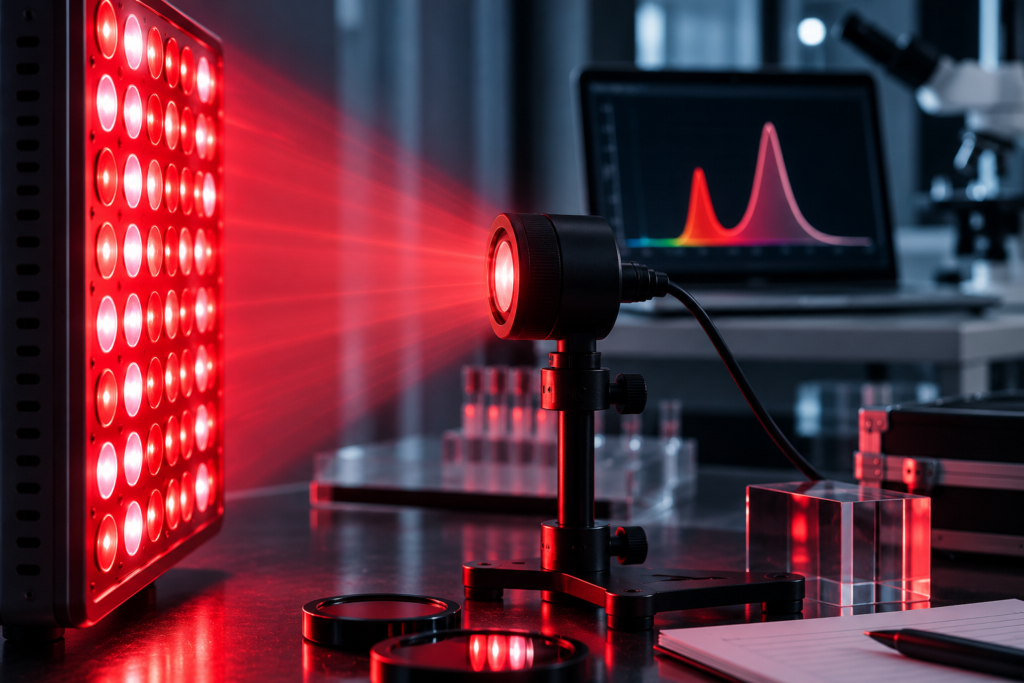
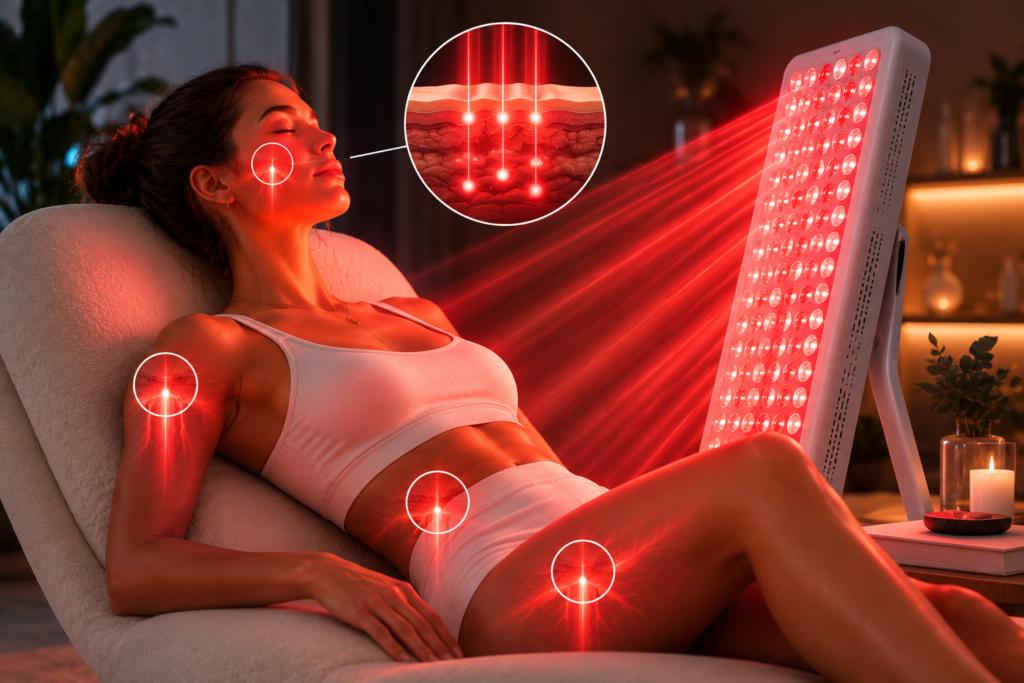
Red light therapy, also called photobiomodulation, uses low-intensity red and near-infrared light delivered to the skin and, in the case of near-infrared, somewhat deeper tissue. According to Cleveland Clinic, it does not use the ultraviolet rays that cause sunburn, and the light is bright but not hot enough to burn. For a runner, the relevant idea is simple: you expose a target area, such as the calves or quads, to the light for a few minutes, usually before or after running. [source] The evidence around red light therapy for runners remains an active area of investigation.
The proposed mechanism centers on the mitochondria inside cells, which may absorb this light and support cellular energy and signaling. That is plausible biology, but a plausible mechanism is not the same as a proven training benefit, and it helps to keep that distinction front of mind. For those exploring red light therapy for runners, setting realistic expectations matters.
Recovery and Soreness: What the Research Suggests
The most relevant evidence for runners concerns muscle recovery and fatigue. A systematic review and meta-analysis of photobiomodulation for muscular performance and fatigue in healthy people found that light delivered before exercise may modestly support measures related to muscle performance and reduced fatigue. A broader review of photobiomodulation as medicine for acute tissue injury and sport performance recovery similarly describes signals that light may aid aspects of recovery, while repeatedly emphasizing that protocols vary widely and results are not uniform. [source] Understanding red light therapy for runners requires separating marketing claims from published data.
For a runner, the practical translation is cautious optimism. Some studies suggest light may help muscles feel less fatigued or recover more comfortably, which could mean a slightly easier day after a hard effort. But the size of any effect is uncertain, study designs differ, and not everyone responds. Red light therapy may ease post-run soreness for some people; it will not reliably erase it, and it is not a substitute for the recovery basics that actually drive adaptation. Anyone researching red light therapy for runners will find the science is still developing.
It is also worth distinguishing between the ordinary muscle soreness of training and the kind of pain that signals a problem. The soreness that follows an unfamiliar hill session or a long run typically arrives a day or two later, feels diffuse across the muscle, and eases within a few days. This everyday soreness is the realistic target for a recovery habit like red light therapy. Sharp, localized, or persistent pain is a different matter entirely, and no amount of light should be used to push through it. Keeping that line clear protects you from misusing a comfort tool as a way to ignore a warning sign. The current state of red light therapy for runners research points to early, modest findings.
Why Effects Vary So Much
Running studies and recovery studies use different devices, wavelengths, doses, and timing. The dose itself follows what researchers call a biphasic response, meaning a moderate amount of light may help while too much can reduce the benefit. Add in differences between runners — training history, leg muscle mass, skin characteristics, and how light reaches deeper tissue — and it becomes clear why two runners using similar panels might report different experiences. Averages in a study can hide a lot of individual variation. [source] Interest in red light therapy for runners has grown alongside broader photobiomodulation research.

The Achilles and Lower-Leg Question
Runners are especially prone to grumbling Achilles tendons and other lower-leg tendon irritation, so it is fair to ask whether red light therapy helps there. A systematic review with meta-analysis of low-level laser treatment for tendinopathy reported that light therapy, when delivered at appropriate doses and parameters, may offer some benefit for certain tendon-related complaints. That is a genuinely interesting signal, but it comes with heavy caveats: the review stresses that dose and technique matter a great deal, that studies are heterogeneous, and that findings are not strong enough to promise relief. [source] Most published reviews on red light therapy for runners call for larger, better-controlled trials.
Crucially, tendon pain in runners can range from mild, self-limiting irritation to a significant injury that needs proper diagnosis and a structured rehabilitation plan, usually built around progressive loading. Red light therapy is not a replacement for that. If you have Achilles pain that is sharp, worsening, swollen, or persistent, the right move is to see a healthcare professional, not to assume a panel will sort it out. A clear-eyed look at red light therapy for runners means separating anecdote from controlled evidence.
Where Red Light Therapy Fits in a Runner’s Routine
If you decide to experiment, treat red light therapy as a small addition rather than a centerpiece. Many runners use it on the legs for a few minutes after a run or in the evening, exposing bare skin at the manufacturer’s recommended distance and time. Consistency over several weeks matters more than any single session, and there is no reason to chase longer sessions in hopes of a bigger effect, since more is not better. Consulting a healthcare provider about red light therapy for runners is always a sensible step.
What red light therapy cannot do is replace the fundamentals. Adequate sleep, sensible training progression, fuel, hydration, and rest days are what allow your body to adapt and absorb running load. A panel layered on top of poor recovery habits will not rescue them. Devices marketed for red light therapy for runners vary widely in power output and wavelength.
Safety and Sensible Expectations
For most healthy adults, red light therapy at consumer doses is generally considered low-risk, with side effects that tend to be mild and temporary, such as brief warmth or redness. Even so, it is not automatically right for everyone. Runners who are pregnant, who take medications that increase light sensitivity, or who have a relevant medical condition should check with a healthcare professional first, and protecting the eyes from bright light is a reasonable precaution. Practitioners field frequent questions about red light therapy for runners from clients.
It is also worth restating the limits plainly. Red light therapy does not cure injuries, does not reliably heal damaged tissue, and does not guarantee faster times or fewer aches. Marketing that promises any of those things has gotten ahead of the evidence. Approached as a modest, optional comfort and recovery habit, it can be a reasonable thing to try; approached as a cure or a shortcut, it will disappoint. Studies on red light therapy for runners have drawn increasing attention from researchers.
Red Flags: When to See a Professional: Red light therapy for runners Notes
No recovery gadget should delay proper care for a real problem. Running pain that warrants a professional opinion includes pain that is severe, sharp, or steadily worsening; pain that does not settle with rest over a reasonable period; swelling, instability, or a joint that gives way; numbness or tingling; and any pain following a specific traumatic event. Persistent or red-flag symptoms deserve assessment and a proper plan, and red light therapy is not a stand-in for that care. Used thoughtfully alongside good training habits, it may add a little comfort to a runner’s week, but the heavy lifting of staying healthy still comes from sound training, rest, and professional guidance when something is wrong. When examining red light therapy for runners, it helps to look carefully at the underlying research.
Frequently Asked Questions
Can red light therapy help me recover faster from running?
It may modestly support recovery and ease soreness for some runners, based on early research, but effects are uncertain and vary by person. It is not a guaranteed or dramatic boost, and it does not replace sleep, rest, and sensible training.
Will red light therapy fix my Achilles pain?
No. Some research suggests light may help certain tendon complaints at appropriate doses, but Achilles pain can signal an injury that needs proper diagnosis and a loading-based rehab plan. See a healthcare professional for persistent or worsening tendon pain.
When should runners use it, before or after a run?
Studies have tested both, with some signal for use before exercise to support fatigue-related measures. There is no single proven protocol, so follow your device’s guidance and stay consistent rather than chasing longer sessions.
Is red light therapy safe for runners?
For most healthy adults it is generally considered low-risk, with mild, temporary effects like brief warmth or redness. Anyone pregnant, taking photosensitizing medication, or with a relevant condition should check with a professional first, and eyes should be protected from bright light.
Does red light therapy improve running performance?
There is no reliable evidence that it guarantees faster times or better performance. Some studies suggest possible effects on muscle fatigue, but results are mixed. Treat it as a possible recovery aid, not a performance enhancer.
Ready to get your red light therapy device? See our brand reviews and product reviews, and try out our product comparison tool to inform your decision.