
Red light therapy loose skin searches are common after meaningful weight changes, when skin appears looser, less firm, or less smooth than before. After losing a noticeable amount of weight, some people find that areas of skin appear looser, less firm, or less smooth than before. It is a common and understandable concern, and it often prompts a search for tools that might help the skin look better. Red light therapy frequently comes up in that search. This article looks honestly at what red light therapy loose skin research may and may not support, so you can set realistic expectations.
The short, careful answer on red light therapy loose skin is this: red light therapy is studied mainly for the appearance of skin, and any effects tend to be gradual and modest. It is not a way to remove significant loose skin, and it does not cause weight loss. For substantial skin laxity, professional options may be more appropriate, and a conversation with a qualified clinician is the sensible starting point.
Why Skin Can Look Different After Weight Loss
Skin is a living, stretchable organ. When the body carries more weight for a period of time, the skin expands to accommodate it. When weight comes off, especially quickly or in large amounts, the skin does not always retract to the same degree. How much the skin appears to bounce back depends on many factors that are largely outside the reach of any single device, including age, how long the skin was stretched, genetics, sun exposure history, hydration, and overall skin health.
This context matters for red light therapy loose skin expectations because a light-based wellness tool works at a subtle level and cannot reverse significant structural stretching.
What Red Light Therapy Is Studied For
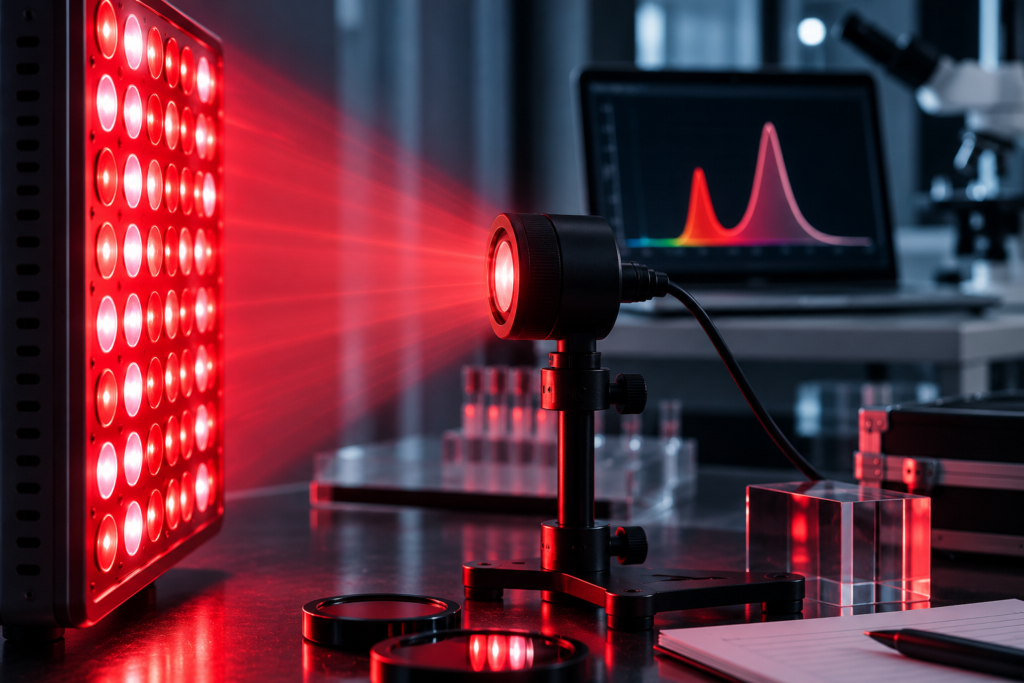
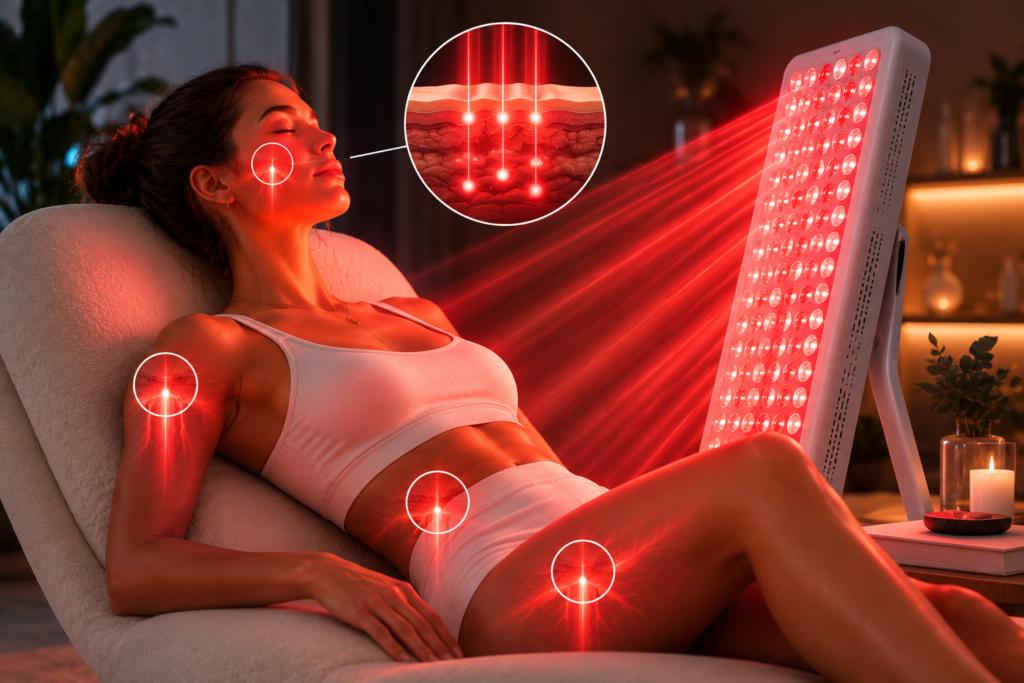
Understanding red light therapy loose skin starts with what the practice is actually studied for: influencing cells without damaging the skin. According to Cleveland Clinic, it is used to influence cells without damaging the skin, and skin-related goals are among its more commonly studied applications. Laboratory and clinical reviews of light therapy in skin describe possible effects on skin cells, including fibroblasts, the cells associated with collagen.
A review of low-level light therapy in skin by Avci and colleagues discusses how red and near-infrared light may stimulate skin cells and support processes tied to skin appearance and repair. Separately, work on reversing visible signs of skin aging through red light photobiomodulation reports changes in the look of skin, such as texture and firmness, in study settings. These findings are about appearance, not about removing tissue, and the research is still developing.

Appearance of Firmness Is Not the Same as Tightening Loose Skin
This is the most important distinction in the entire red light therapy loose skin topic. Improving the appearance of skin firmness — how smooth or toned skin looks in everyday conditions — is a modest, cosmetic goal. Physically tightening skin that has been significantly stretched by major weight change is a different and much larger challenge.
Marketing sometimes blurs this line, implying that a home device can dramatically tighten loose skin. The honest position, consistent with cautious reading of the evidence, is that red light therapy may support the look of skin to a limited degree for some people, but it is not a substitute for medical or surgical options when skin laxity is substantial. Anyone hoping to address significant loose skin should treat red light therapy as, at most, a minor cosmetic adjunct rather than a solution.
What the Evidence Does and Doesn’t Support
The research on red light therapy loose skin appearance is encouraging in places but limited. Many studies are small, use different devices and settings, and measure outcomes in different ways. Reviewers consistently call for larger, more standardized trials before strong conclusions can be drawn. That means it is fair to say red light therapy may support certain aspects of skin appearance for some people, but it is not accurate to promise firming, tightening, or a particular cosmetic result.
It is also worth stating plainly: red light therapy does not melt fat, burn fat, or cause weight loss. Skin appearance and body weight are separate matters. Using red light for the look of the skin should never be confused with a weight-management strategy — red light therapy loose skin and weight loss are separate matters.
When Professional Options May Be More Appropriate
For people with significant loose skin after major weight loss, dermatologists and other clinicians can discuss approaches that go beyond what a home wellness device can offer. The right path depends on the individual, the degree of skin laxity, overall health, and personal goals. A qualified professional can give honest guidance about what is realistic, including whether any intervention is needed at all. Red light therapy may still play a small, optional role in a skincare routine, but it should not delay or replace appropriate professional advice.
A Caution Note on Expectations and Claims
Be skeptical of any product that guarantees skin tightening or dramatic firming, especially in connection with weight loss. Honest sources describe possible, gradual changes in appearance, not guaranteed structural results. If a claim sounds like a transformation in a few sessions, treat it with caution. Red light therapy is not a medical treatment for loose skin, and it is not a replacement for care from a qualified professional.

How People Use Red Light for Skin Appearance
For those who choose to try red light therapy for the look of their skin, a sensible approach mirrors general skin-care use: expose clean, bare skin to the device, follow the manufacturer’s recommended distance and session time, and be consistent over several weeks rather than expecting an immediate change. More is not better; research on light dosing describes a response in which a moderate dose is the goal and excessive exposure offers no added benefit. Patience and realistic expectations tend to lead to a less disappointing experience.
Safety and Who Should Be Cautious
For most healthy adults, red light therapy at consumer doses is generally considered low-risk, with side effects that are usually mild and temporary, such as brief warmth or redness. Even so, it is not automatically right for everyone. People who are pregnant, who take medications that increase light sensitivity, or who have a relevant skin or eye condition should consult a healthcare professional first, and protecting the eyes from bright light is a sensible precaution. As with any wellness practice, red light therapy is a complement to good health habits, not a replacement for medical care.
Putting It in Perspective
Skin appearance after weight change is influenced by age, genetics, how long and how much the skin was stretched, sun history, and overall skin health — factors far larger than any single device. Red light therapy may, for some people, offer modest support for how skin looks, but it works at the margins. The most reliable foundations for skin and overall health remain consistent nutrition, regular activity, good sleep, sun protection, and hydration. Red light therapy, if used at all, sits on top of those foundations as a small, optional extra.
The Bottom Line
After weight changes, it is natural to want firmer-looking skin. Red light therapy is studied for the appearance of skin, including texture and firmness, and any effects tend to be gradual and modest. It does not remove significant loose skin and does not cause weight loss. For substantial skin laxity, a qualified clinician can discuss appropriate options. Approached with realistic expectations and as a minor adjunct within a healthy lifestyle, red light therapy can be a reasonable part of a skincare routine — not a fix for loose skin, and never a weight-loss tool.
Ready to get your red light therapy device? See our brand and product reviews, and try out our product comparison tool to inform your decision.
Frequently Asked Questions
Can red light therapy tighten loose skin after weight loss?
Red light therapy is studied for the appearance of skin firmness and texture, and any effects tend to be gradual and modest. It is not a reliable way to tighten significant loose skin, and results are not guaranteed. For substantial laxity, consult a qualified clinician.
Does red light therapy cause weight loss?
No. Red light therapy does not melt fat, burn fat, or cause weight loss. Skin appearance and body weight are separate matters, and real weight management depends on nutrition, activity, sleep, and behavior.
How long might it take to notice any skin appearance change?
If anything changes, it is usually gradual. Studies on skin appearance typically involve weeks of consistent use, so patience matters and a single session should not be expected to make a visible difference.
Is red light therapy a substitute for professional treatment of loose skin?
No. For significant skin laxity after major weight loss, a dermatologist or other clinician can discuss appropriate options. Red light therapy may be a minor cosmetic adjunct at most and should not delay professional advice.
Is red light therapy safe to use on the skin?
For most healthy adults it is generally considered low-risk at consumer doses, with mild, temporary effects like brief warmth or redness. Anyone pregnant, taking photosensitizing medication, or with a relevant skin or eye condition should consult a healthcare professional first.
This article is for general educational purposes only and is not medical advice. Red light therapy is not a substitute for professional care. Talk with a qualified healthcare professional about your individual situation.