Skin changes throughout life, and mature skin has its own character and needs. Many people in their later decades are curious about red light therapy as a gentle, non-invasive option to support how their skin looks and feels. This guide explores red light therapy mature skin research, how skin changes with age, what appearance-related goals have been studied, and how to use red light therapy gently and realistically.
The honest framing throughout is this: red light therapy may support certain appearance goals for some people, but it is not a fountain of youth, a medical treatment, or a guaranteed result. Understood as one calm, supportive habit, it can have a reasonable place in a thoughtful mature-skin routine.
Understanding Red Light Therapy Mature Skin
Aging skin is a natural process influenced by both time and external factors like sun exposure. According to the National Institute on Aging, skin tends to become thinner, drier, and less elastic with age, and it may bruise more easily and take longer to heal. The structures that keep skin firm and plump — including collagen and elastin — gradually decline, which contributes to the appearance of fine lines, wrinkles, and looser texture.
Years of sun exposure add to these changes, a process sometimes called photoaging, which can show up as uneven tone, rough texture, and more pronounced lines. Understanding these underlying shifts helps set realistic goals: the aim of a gentle routine is to support the look and comfort of skin, not to reverse aging or restore skin to a younger state.
What Red Light Therapy Means for Mature Skin
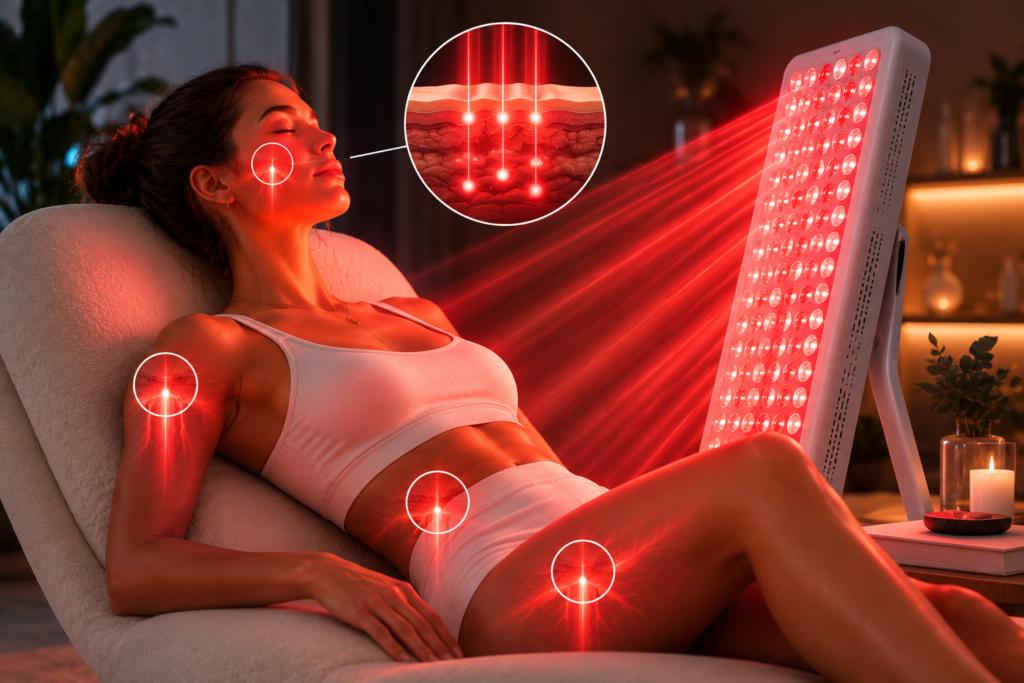
Red light therapy, or photobiomodulation, delivers red and near-infrared light to the skin. According to Cleveland Clinic, it uses low levels of light to interact with skin cells without the ultraviolet radiation that damages skin and accelerates aging. The fact that it is non-UV is genuinely relevant for mature skin, since cumulative UV exposure is a major contributor to visible aging.
What red light therapy is not is equally important. It is not a medical anti-aging treatment, it does not stop or reverse the aging process, and it does not deliver the dramatic results sometimes implied by marketing. It is best understood as a gentle wellness practice that may offer modest support for the appearance of skin.
What Red Light Therapy Mature Skin Research Shows
Research has explored red and near-infrared light in the context of skin appearance and aging signs. A controlled trial by Wunsch and Matuschka examined red light treatment and reported improvements in measures related to skin appearance and texture, which is often cited in discussions of skin rejuvenation. Other work, including research on reversing skin-aging signs through red light photobiomodulation, explores how light may influence the look of aging skin and skin-cell activity associated with firmness and texture.
These findings are encouraging but should be read with care. Studies vary in size, devices, and methods, individual results differ, and the changes described tend to be gradual and modest rather than dramatic. The reasonable takeaway is that red light may support appearance goals such as the look of fine lines, texture, and tone for some people — not that it guarantees a transformation.
Red Light Therapy Mature Skin Safety
Mature skin can be more delicate, so safety is a fair concern. Reassuringly, research examining the oncologic safety of low-level light therapy for aesthetic skin rejuvenation has looked at this question and supports a favorable safety profile for these aesthetic uses. Combined with the fact that red light therapy does not use damaging UV radiation, this helps explain why it is generally considered low-risk for most healthy adults at consumer doses, with side effects that tend to be mild and temporary, such as brief warmth or redness.
That said, “generally low-risk” is not the same as “right for everyone.” Mature skin’s greater fragility is a reason to be especially gentle and to involve a healthcare professional when there is any doubt.
Realistic Red Light Therapy Mature Skin Expectations
For mature skin, a gentle and consistent approach tends to make the most sense. Start slowly, following the device’s recommended distance and session time rather than overdoing it, since research on light therapy describes a biphasic principle in which a moderate dose is the goal and more is not better. Use it on clean, bare skin so the light can reach the surface, and pair it with gentle skincare basics rather than harsh, irritating products.
Consistency over weeks matters more than intensity in any single session. Many studies that report appearance benefits involve regular use over time, so patience is part of the process. If your skin feels irritated or uncomfortable at any point, ease off and give it time to settle; gentleness is especially important for thinner, more delicate mature skin.
Supporting Red Light Therapy Mature Skin Results
Perhaps the most valuable mindset is realism. Red light therapy will not turn back the clock, eliminate wrinkles, or replace the role of sun protection, good sleep, hydration, and overall health in how skin looks. What it may do, for some people, is offer subtle, gradual support for the appearance of fine lines, texture, and tone as one part of a broader routine.
Viewing it this way — as a calm, supportive habit rather than a miracle — tends to lead to a more satisfying experience. It also keeps you grounded against products that promise dramatic age reversal, which the evidence does not support.
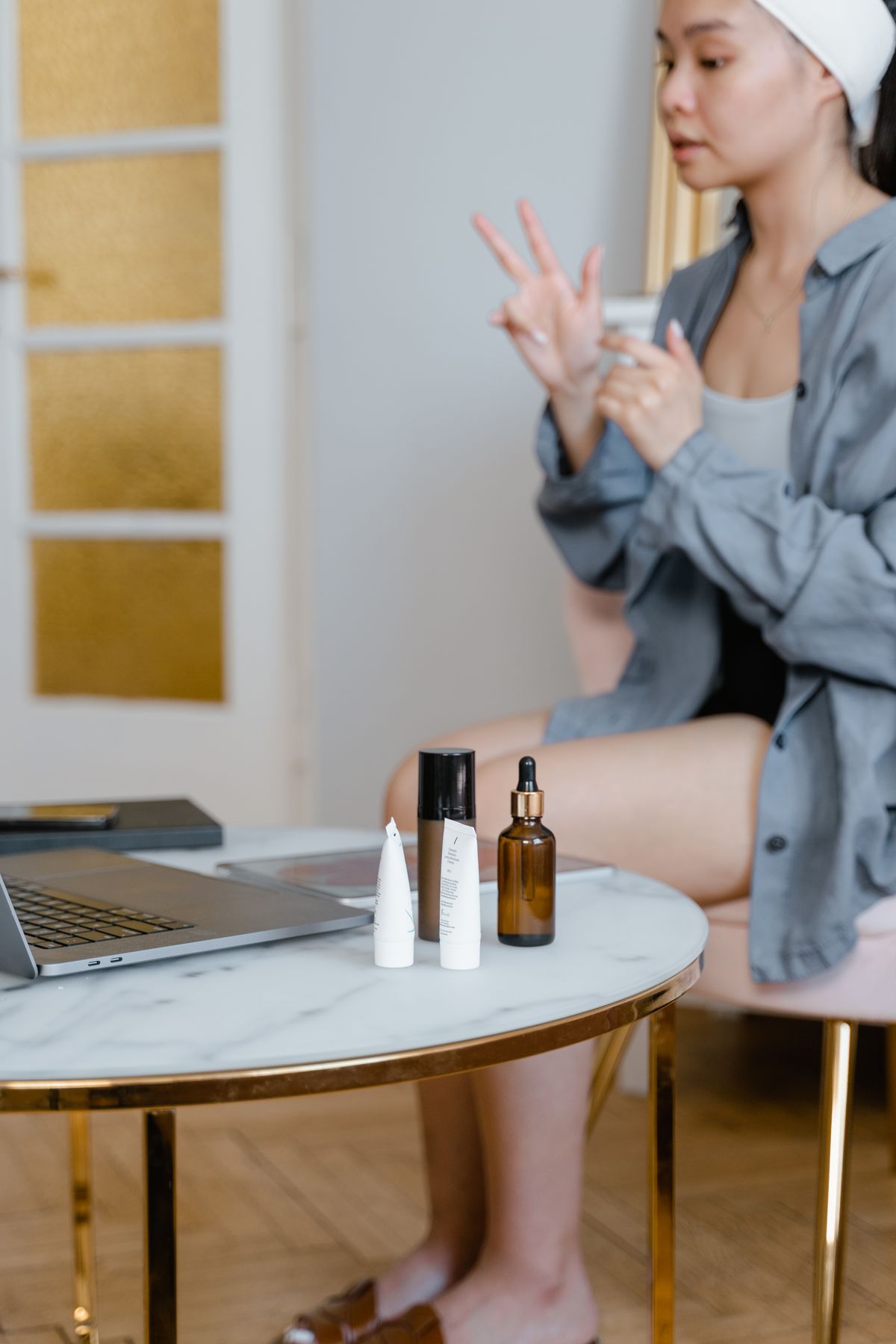
Daily Habits That Support Mature Skin
Red light therapy works best alongside the fundamentals that have the strongest influence on mature skin. Sun protection remains one of the most important habits, since cumulative UV exposure drives much of visible skin aging. Gentle cleansing and consistent moisturizing help with the dryness that often accompanies mature skin, supporting comfort and a smoother appearance.
Staying hydrated, eating well, and not smoking all contribute to skin health from the inside. And because mature skin can be more fragile, avoiding harsh scrubs and over-aggressive products helps prevent irritation. Within this foundation, red light therapy is a possible gentle complement — not a replacement for these basics.
When to Talk to a Professional About Mature Skin
Professional guidance is especially worthwhile for mature skin in several situations. If you have a skin condition, very fragile or easily irritated skin, a history of skin cancer or any concerning skin changes, or you take medication that affects light sensitivity, speak with a dermatologist or healthcare professional before starting. A professional can also help you evaluate whether red light therapy fits your skin and goals, and can address concerns that a wellness device cannot, since red light therapy is not a substitute for medical care. Any new, changing, or worrying spot or lesion should always be evaluated by a professional rather than treated at home.
The Bottom Line
Red light therapy mature skin research suggests red and near-infrared light may provide modest support for the appearance of fine lines, texture, and tone for some people, but it should be viewed as one part of a broader skincare routine rather than an anti-aging cure.
Red light therapy, which is non-UV and generally considered low-risk for most healthy adults, may offer gentle, gradual support for appearance goals such as the look of fine lines, texture, and tone — for some people, and to a modest degree. Used gently, consistently, and alongside good skincare fundamentals, with professional guidance when needed, it can be a reasonable and calming part of a mature-skin routine. It is a supportive habit, not a medical treatment or a way to reverse aging.
Ready to get your red light therapy device? See our brand and product reviews, and try out our product comparison tool to inform your decision.
Frequently Asked Questions
Is red light therapy safe for mature, more delicate skin?
Current red light therapy mature skin research and safety data suggest it is generally considered low-risk for most healthy adults when used as directed, although people with skin conditions or other concerns should consult a healthcare professional first. Because mature skin can be more fragile, it is wise to use it gently, follow device guidance, and consult a professional if you have any concerns or conditions.
Will red light therapy reverse aging or remove wrinkles?
No. It does not reverse aging or eliminate wrinkles. Some research suggests it may offer subtle, gradual support for the appearance of fine lines, texture, and tone for some people, but results vary and are modest, not transformative.
How should older adults use red light therapy?
Gently and consistently. Follow the recommended distance and session time, use it on clean bare skin, pair it with gentle skincare, and be patient, since benefits in studies typically come from regular use over weeks rather than a single session.
Does red light therapy replace sun protection and good skincare?
No. Sun protection, gentle cleansing, moisturizing, hydration, and overall health have the strongest influence on mature skin. Red light therapy is a possible gentle complement to these fundamentals, not a replacement.
When should mature-skin users consult a professional?
Consult a dermatologist or healthcare professional if you have a skin condition, very fragile skin, a history of skin cancer, any concerning or changing skin spots, or take medication affecting light sensitivity. Red light therapy is not a substitute for medical care.
This article is for general educational purposes only and is not medical advice. Red light therapy is not a substitute for professional care. Talk with a qualified healthcare professional about your individual situation.