
If your skin reacts easily — stinging, redness, or irritation from products that others tolerate fine — you have good reason to approach any new skincare tool carefully, including red light therapy. The good news is that red light therapy at consumer doses is generally considered low-risk for most healthy adults. The important caveat is that “generally low-risk” is not the same as “right for everyone,” and sensitive or reactive skin calls for extra thought. This guide explores red light therapy sensitive skin considerations, including patch-testing, photosensitizing medications, starting slowly, and knowing when to consult a professional.
None of this is a substitute for personalized advice. If you have sensitive, reactive, or condition-affected skin, the safest starting point is a conversation with a board-certified dermatologist before trying a new device.
Understanding Red Light Therapy Sensitive Skin
“Sensitive skin” is a broad, everyday term rather than a single diagnosis. It can describe skin that reacts readily to products, fragrances, or environmental factors; skin affected by conditions such as rosacea or eczema; or a temporarily compromised skin barrier. Because the term covers so much ground, it is impossible to give a one-size-fits-all answer about red light therapy and sensitive skin. What matters is understanding the considerations and personalizing them — ideally with professional input.
Why Red Light Therapy Sensitive Skin Users Choose It
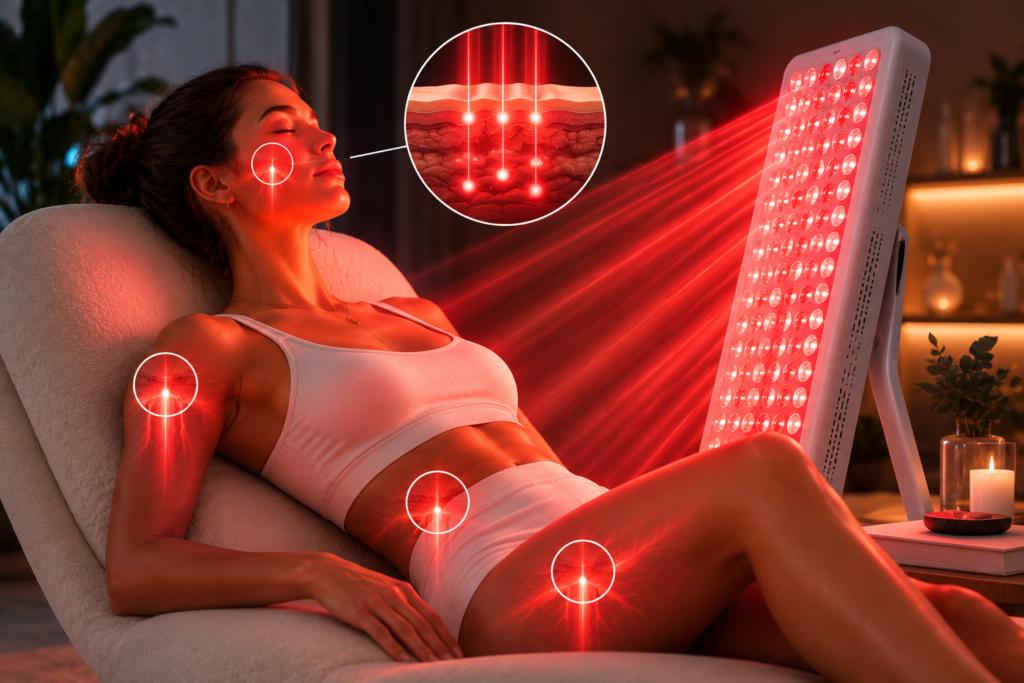
Red light therapy uses low-intensity red and near-infrared light, not the ultraviolet (UV) radiation that burns and damages skin. Cleveland Clinic describes it as a low-level light approach that influences skin cells without UV exposure, and reported side effects in healthy adults tend to be mild and temporary, such as brief warmth or redness. This relatively gentle profile is part of why people with reactive skin are often curious about it. Still, “usually gentle” does not guarantee your individual skin will tolerate it, which is where the following precautions come in.
Red Light Therapy Sensitive Skin: Patch-Test First
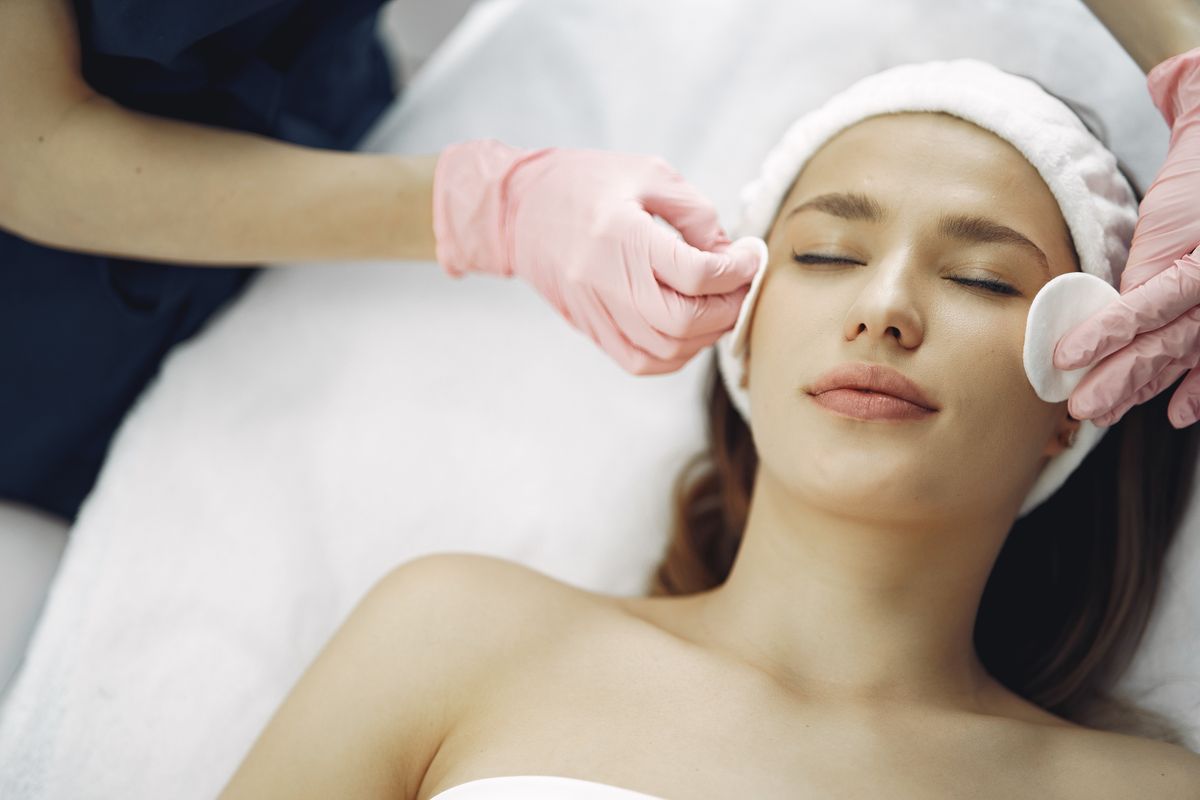
A sensible first step for sensitive skin is the same principle dermatologists recommend for new products: patch-test before full use. The idea is to expose a small, less conspicuous area of skin — following the device’s guidance on distance and time — and then wait to see how your skin responds over the next day or two before treating a larger area such as the whole face. If the test area reacts with persistent redness, stinging, or irritation, that is a signal to stop and reconsider. Patch-testing does not eliminate risk, but it is a low-cost way to gather information before committing.
Red Light Therapy Sensitive Skin and Photosensitivity
This is one of the most important considerations and is easy to overlook. Certain medications and topical ingredients can make skin more reactive to light — a phenomenon known as photosensitivity.
Medications
According to DermNet, a range of medications can cause drug-induced photosensitivity, making the skin more likely to react to light exposure. These include certain antibiotics, some acne medications, particular diuretics, and others. Most discussion of photosensitivity centers on UV light, and whether a given drug increases sensitivity to the red and near-infrared wavelengths used in red light therapy is not always clear. The prudent approach for anyone taking a medication that lists photosensitivity as a possible effect is to consult a healthcare professional or pharmacist before starting red light therapy.
Topical Ingredients
Some skincare ingredients can also leave skin more reactive or sensitized — for example, retinoids, exfoliating acids, and certain active treatments. Combining these with a new light device may increase the chance of irritation in sensitive skin. Spacing out potentially sensitizing actives, simplifying your routine while you assess tolerance, and seeking professional advice are all reasonable strategies.
How to Start Red Light Therapy Sensitive Skin Routines
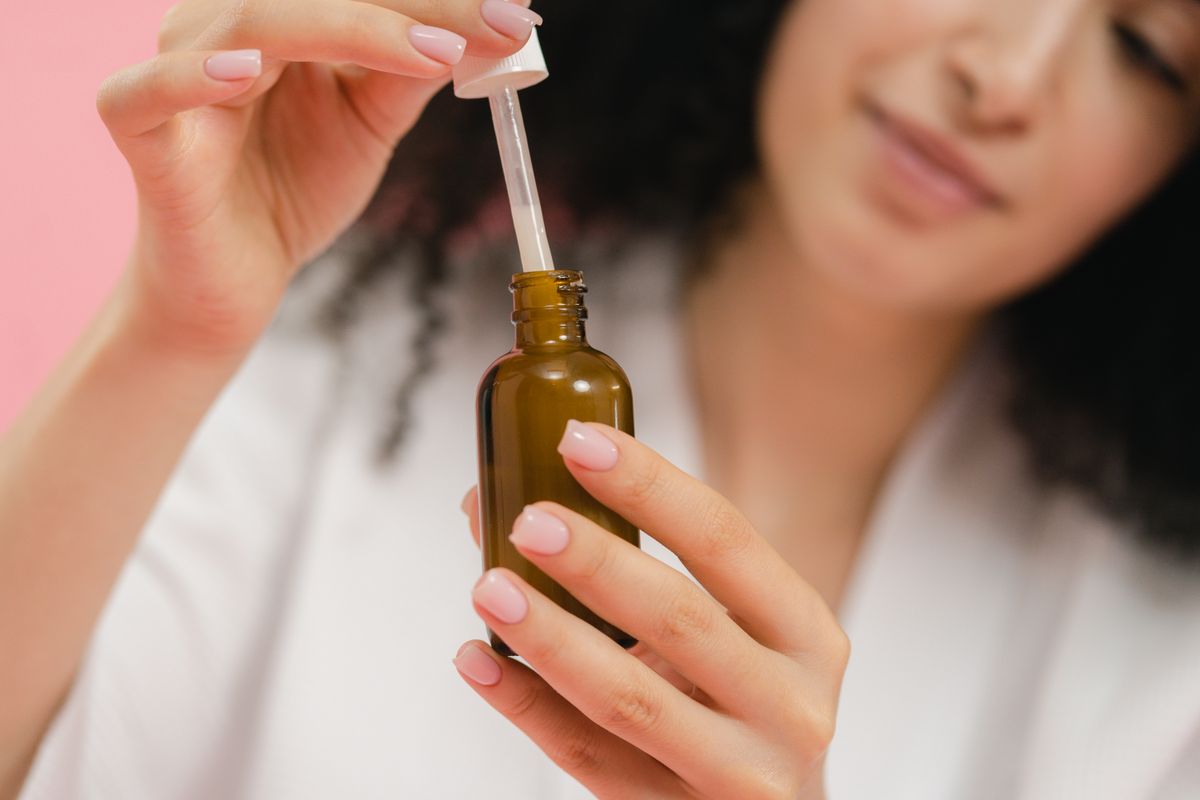
For sensitive skin especially, a gradual introduction is wise. That means beginning with shorter sessions and the manufacturer’s recommended distance rather than maximum exposure, and increasing only gradually if your skin tolerates it well. The biphasic dose-response principle from the photobiomodulation literature reinforces this: more light is not better, and a moderate, appropriate dose is the goal. Pushing longer or closer sessions in hopes of faster results is both unsupported and more likely to irritate reactive skin. Going slowly lets you notice problems early, before they become significant.
Building a Red Light Therapy Sensitive Skin Routine
When you introduce any new tool to reactive skin, it helps to reduce the number of other variables at the same time. If you layer a new light device on top of several active products — an exfoliating acid one night, a retinoid the next, a new cleanser, and so on — and your skin reacts, it becomes very hard to tell what caused the problem. A calmer approach is to keep the rest of your routine simple and stable while you evaluate the device, leaning on gentle, familiar products you already tolerate.
This not only lowers the overall irritation load on sensitive skin but also makes any reaction easier to interpret. Once you are confident your skin tolerates the device well, you can reintroduce other steps gradually. This patient, one-change-at-a-time mindset is a cornerstone of caring for reactive skin, and it applies to red light therapy as much as to any new product.
When to Stop Red Light Therapy Sensitive Skin Sessions
Perhaps the most important skill for using any device on sensitive skin is recognizing when to stop. Discontinue use and consult a healthcare professional or board-certified dermatologist if you experience persistent redness that does not settle, stinging or burning during or after sessions, increased irritation or breakouts, blistering, or any reaction that concerns you. A brief, mild warmth that fades is commonly reported, but lasting or worsening reactions are a signal to stop rather than push through. If you have a diagnosed skin condition such as rosacea or eczema, professional guidance before and during use is especially important, since reactive skin can be unpredictable.
Who Should Talk to a Professional First
Several groups should seek professional advice before starting red light therapy. This includes anyone who is pregnant; anyone taking medication that lists photosensitivity as a possible effect; anyone with a skin condition such as rosacea, eczema, or a history of light-triggered reactions; and anyone whose skin is currently inflamed, broken, or healing. A board-certified dermatologist can help you weigh whether red light therapy is appropriate for your skin and how to use it safely. Protecting your eyes from bright light is sensible for everyone.
A Calm, Cautious Approach
For sensitive skin, the spirit of a good approach is patience and attentiveness rather than enthusiasm. Patch-test, review your medications and active ingredients, start with conservative settings, introduce the device slowly, and watch how your skin responds. Treat red light therapy as one optional, gentle habit to evaluate carefully — not as a must-do or a fix for an underlying skin condition. Remember that it is a general wellness practice, not a medical treatment, that results vary, and that it does not replace medical care or sun protection. Red light therapy is not sun protection and does not replace sunscreen.
The Bottom Line
Red light therapy is generally considered low-risk and relatively gentle for most healthy adults, which is why many people with sensitive skin are curious about it. But sensitive and reactive skin warrants extra care: patch-test first, check whether your medications or topical actives increase photosensitivity, start low and slow, and stop and consult a professional if irritation appears.
Anyone with a diagnosed skin condition, who is pregnant, or who takes photosensitizing medication should speak with a board-certified dermatologist before starting. Approached cautiously, red light therapy can be evaluated thoughtfully — but your skin’s signals and professional guidance should always lead the way.
Ready to get your red light therapy device? See our brand and product reviews, and try out our product comparison tool to inform your decision.
Frequently Asked Questions
Is red light therapy safe for sensitive skin?
It is generally considered low-risk and relatively gentle for most healthy adults, but “generally safe” is not the same as right for everyone. Sensitive or reactive skin warrants patch-testing, conservative settings, and ideally professional advice first.
Should I patch-test red light therapy?
Yes, patch-testing a small, less visible area and waiting a day or two before fuller use is a sensible precaution for sensitive skin. If the area reacts with persistent redness or stinging, stop and reconsider.
Can my medication make red light therapy risky?
Possibly. Some medications cause photosensitivity, making skin more reactive to light. If your medication lists photosensitivity as a possible effect, consult a healthcare professional or pharmacist before starting red light therapy.
What skincare ingredients should I be careful with?
Actives such as retinoids and exfoliating acids can leave skin more reactive or sensitized. Combining them with a new light device may increase irritation risk, so consider spacing them out and seeking professional advice.
When should I stop using red light therapy?
Stop and consult a professional if you experience persistent redness, stinging or burning, increased irritation or breakouts, blistering, or any reaction that concerns you. Lasting or worsening reactions are a signal to stop rather than continue.
This article is for general educational purposes only and is not medical advice. Red light therapy is not a substitute for professional care. Talk with a qualified healthcare professional about your individual situation.