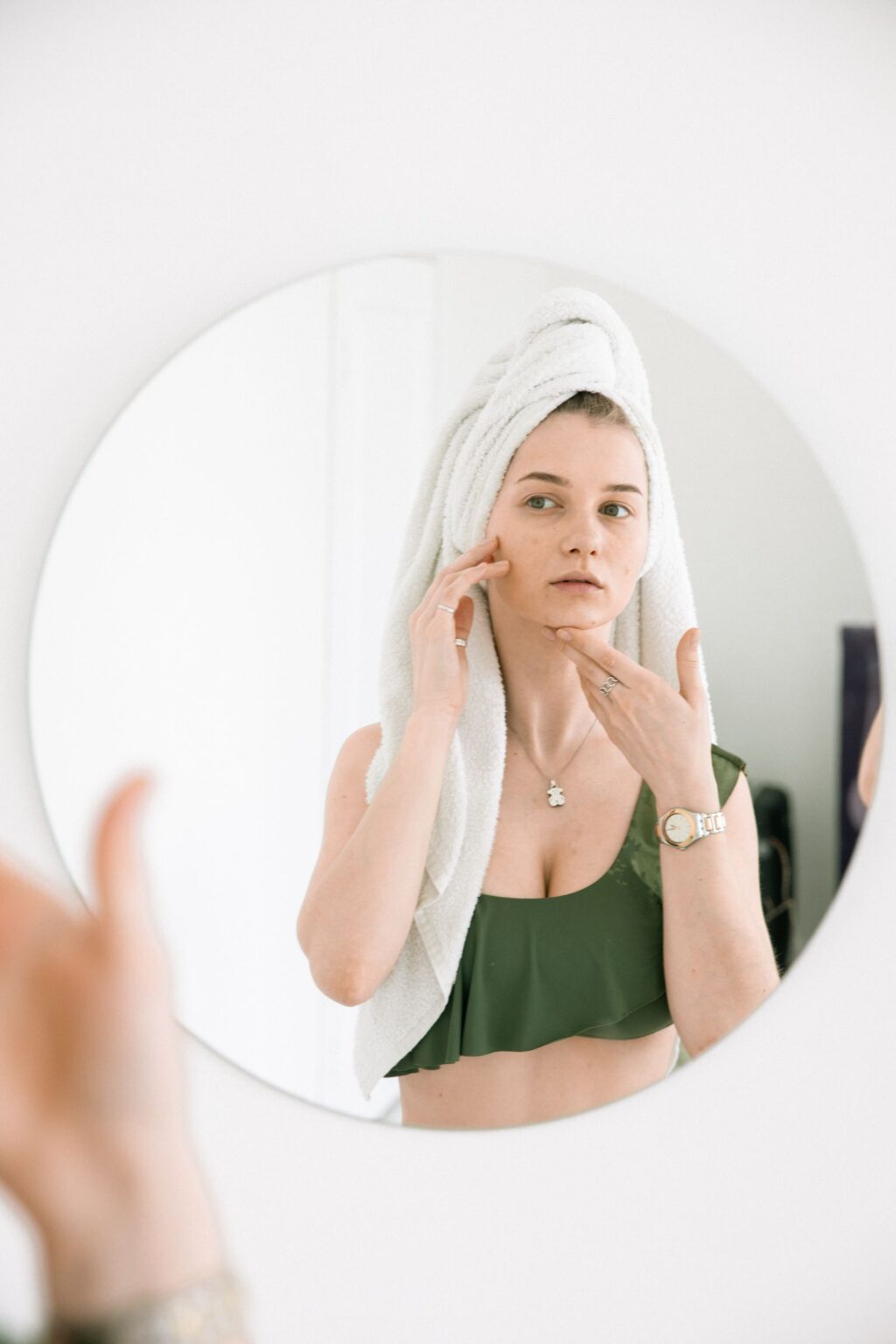
If you already have a skincare routine, fitting red light therapy into it is less complicated than it might seem — but there are a few sensible principles worth getting right. Where it fits, how to prepare your skin, and which products and medications call for caution all matter for a safe and reasonable experience. This guide explains how to build a red light therapy skincare routine, where it fits in your daily regimen, and how to use it safely with your existing products.
The guiding idea is simple. Red light therapy may support skin-appearance goals for some people, and it works best as one consistent habit within a broader routine. It is not a replacement for the fundamentals — cleansing, moisturizing, and daily sun protection — and it is not medical care.
Where Red Light Therapy Fits in Your Skincare Routine
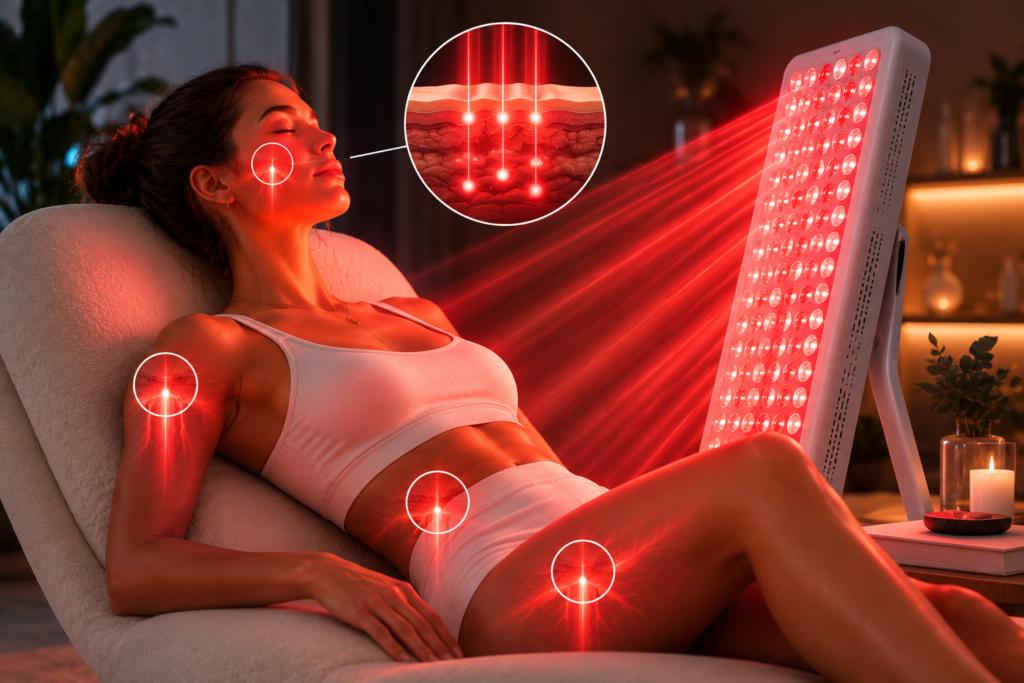
The most practical placement for a red light session is on clean, bare skin, before you apply leave-on products. The reasoning is straightforward: light needs to reach the skin to do anything, and a layer of makeup, sunscreen, or even some thicker products can sit in the way. Cleansing first, then using your device, then following with your usual serums and moisturizer, is a clean and logical order.
Phototherapy with light-emitting diodes is well established in dermatology, and a review of LED phototherapy describes its use for a range of skin-related goals. That clinical grounding supports the everyday approach of treating a home device as a deliberate step rather than an afterthought: prepare the skin, deliver the light, then move on with the rest of your routine.
Red Light Therapy Skincare Routine: Step-by-Step
A reasonable sequence looks like this. Start by cleansing to remove makeup, oil, and any sunscreen. Make sure the skin is dry and bare. Use your red light device according to its instructions for distance and time. Once the session is finished, apply your usual hydrating or treatment products, then your moisturizer. If it is daytime, finish with sunscreen as you normally would. This keeps the light step uncomplicated and lets your other products do their job afterward.
When to Use a Red Light Therapy Skincare Routine
There is no single “correct” time of day for red light therapy, and research does not establish that morning or evening is superior. What matters far more is consistency — choosing a time you can realistically repeat several times a week. Many people find evenings convenient because skin is being cleansed anyway before bed, but a morning session works just as well if it fits your life better. The best schedule is the one you will actually keep.
Red Light Therapy Skincare Routine With Serums
A common question is whether to apply serums before or after a session. The simplest and safest approach is to use the device on clean, bare skin and to apply leave-on actives afterward. This avoids any guesswork about whether a product might interfere with the light or change how your skin responds, and it keeps the skin’s surface clear during the session.
Caution is especially important with photosensitizing ingredients and medications — substances that can make skin more reactive to light. DermNet’s overview of drug-induced photosensitivity explains that certain medications and topical agents can increase the skin’s sensitivity to light. While much of that discussion concerns ultraviolet and sunlight exposure, the sensible takeaway for a cautious routine is to be aware of photosensitizing actives and medications and, if you use them or are unsure, to check with a healthcare professional or pharmacist before adding any light-based practice.
Red Light Therapy Skincare Routine and Active Ingredients
Some people use prescription topicals or oral medications, or strong active ingredients, that are known to increase light sensitivity. If that describes you, the responsible step is not to guess but to ask a professional whether red light therapy is appropriate alongside what you are using, and how to time it. This is a small precaution that helps you avoid irritation and use the practice sensibly.
Red Light Therapy and Acne-Prone Skin
People with acne-prone skin sometimes wonder where light fits for them. It is worth being precise about the evidence. The American Academy of Dermatology, discussing lasers and lights for acne, indicates that light-based options can play a role for some people but are generally not a standalone cure and are often used as part of a broader plan, frequently under professional guidance. The practical message is to keep expectations modest and to treat persistent or severe acne as a reason to see a dermatologist rather than to rely on a device alone.
Getting Results From a Red Light Therapy Skincare Routine
Whatever your routine, two things determine whether red light therapy is worthwhile for you: consistency and realistic expectations. Research that reports benefits typically involves repeated sessions over weeks, so occasional, irregular use is unlikely to be a fair test. At the same time, effects — where they occur — tend to be gradual and modest improvements in the appearance of the skin, and they vary from person to person. Some people notice changes; others notice little.
Following the device’s guidance on time and distance is part of using it well. Research on light therapy describes a response in which a moderate, appropriate dose is the goal and simply doing more is not better, so longer or more frequent sessions than recommended are not a shortcut to results.
Building a Better Red Light Therapy Skincare Routine
Perhaps the most important principle is to keep red light therapy in its proper place within a routine. It is an addition, not a foundation. The fundamentals — gentle cleansing, adequate moisturizing, and consistent daily sun protection — do the heaviest lifting for skin health and appearance over time, and a light device does not change that. Folding a session into a routine you already maintain tends to work far better than treating the device as the centerpiece and neglecting the basics around it.
It also helps to track changes honestly. Because any effect is subtle and gradual, casual day-to-day observation can mislead you in either direction. Giving a routine a reasonable stretch of weeks, noting how your skin actually looks and feels over that period, and being willing to conclude that a device may simply not do much for you are all part of evaluating it fairly rather than chasing hype.
Red Light Therapy Skincare Routine Safety Basics
At appropriate doses, red light therapy is generally considered low-risk for healthy adults, with side effects that tend to be mild and temporary. A few basics keep it sensible: protect your eyes from bright light, do not exceed the recommended session time and frequency, and pay attention to how your skin feels. It is not automatically right for everyone, so anyone who is pregnant, takes photosensitizing medication, or has a relevant skin or eye condition should consult a healthcare professional first.
When to See a Dermatologist
Red light therapy is a supportive appearance-focused habit, not a treatment for skin disease. Persistent or severe acne, ongoing irritation, a new or changing spot, or any skin concern that worries you should be evaluated by a board-certified dermatologist. A professional can diagnose what is actually going on, recommend evidence-based options, and advise whether a light-based routine makes sense in your case.
The Bottom Line
Adding red light therapy to a skincare routine comes down to a few clear principles: use it on clean, bare skin before your leave-on products, pick a consistent time that fits your life, apply serums afterward, and be cautious with photosensitizing actives and medications by checking with a professional when unsure. Keep expectations realistic, follow your device’s dosing guidance, and protect your eyes. Used this way, red light therapy can be a reasonable supportive step — but it complements, rather than replaces, good skincare basics and the care of a board-certified dermatologist.
Ready to get your red light therapy device? See our brand and product reviews, and try out our product comparison tool to inform your decision.
Frequently Asked Questions
Should I use red light therapy before or after skincare products?
The simplest, safest approach is to use it on clean, bare skin and apply your leave-on serums and moisturizer afterward. Light needs to reach the skin, and applying products after the session avoids guesswork about interference.
Is morning or evening better for red light therapy?
Research does not establish that one is superior. Consistency matters far more than time of day, so choose whichever fits your life and that you can repeat several times a week.
Can I use red light therapy with retinoids or other strong actives?
Some actives and medications can increase the skin’s sensitivity to light. The cautious approach is to use the device on bare skin and, if you use photosensitizing products or are unsure, check with a healthcare professional or pharmacist before adding light therapy.
Will red light therapy clear my acne?
Light-based options can play a role for some people, but they are generally not a standalone cure and are often used as part of a broader plan. Persistent or severe acne should be evaluated by a board-certified dermatologist.
How often should I use it for skin goals?
Follow your device’s recommended time and frequency. Research describes a moderate dose as the goal, so doing more than recommended is not a shortcut. Consistency over weeks matters more than any single session, and results vary.
This article is for general educational purposes only and is not medical advice. Red light therapy is not a substitute for professional care. Talk with a qualified healthcare professional about your individual situation.