Anyone who lifts seriously knows the rhythm of strength training: stress the muscle, recover, adapt, repeat. Recovery is where the actual progress is consolidated, so it makes sense that lifters are always looking for ways to recover better. Red light therapy is increasingly marketed to the strength crowd as a tool for muscle repair and faster recovery between sessions. This article examines what red light therapy may realistically offer for strength training recovery, separates the more promising findings from the overhyped ones, and keeps the focus where it belongs: on the training and recovery fundamentals that actually build strength. Studies on red light therapy strength training have drawn increasing attention from researchers.
The honest summary up front: red and near-infrared light may help with post-training soreness and some fatigue or endurance-related measures for certain people, but the evidence for boosting raw strength is mixed and unconvincing. It is a possible recovery aid worth a cautious try, not a shortcut to bigger lifts. When examining red light therapy strength training, it helps to look carefully at the underlying research.
What We Are Actually Talking About
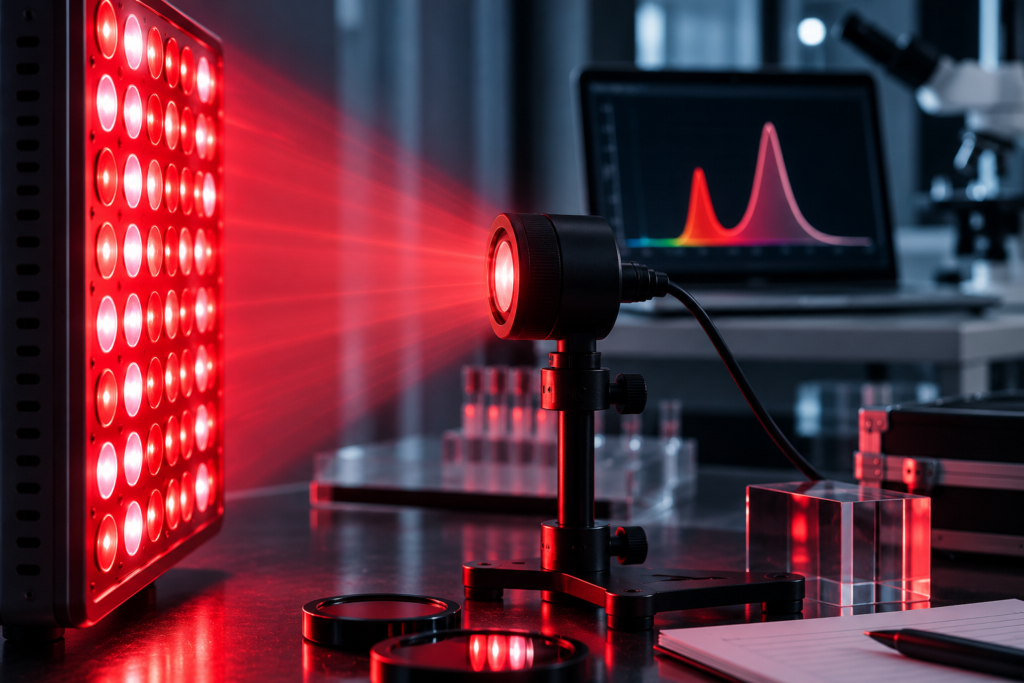
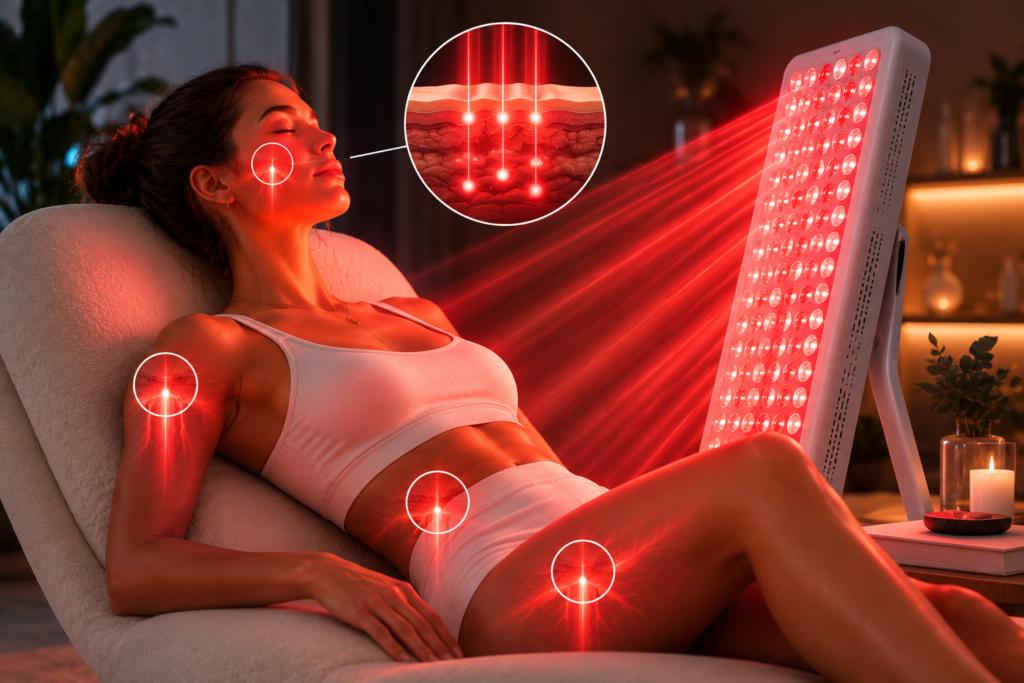
Red light therapy, or photobiomodulation, uses low-intensity red and near-infrared light on the skin and, with near-infrared, somewhat deeper tissue. According to Cleveland Clinic, it contains no ultraviolet rays and is bright but not hot enough to burn. For a lifter, the practical picture is exposing a worked muscle group, such as the quads or shoulders, to the light for a few minutes around training. The proposed mechanism involves light being absorbed by mitochondria, potentially supporting cellular energy and signaling involved in repair. [source] The evidence around red light therapy strength training remains an active area of investigation.
That mechanism is plausible, but plausibility is not proof of a training benefit. The interesting question is whether these cellular effects translate into recovery you can actually feel and use, and that is where the research becomes more nuanced. For those exploring red light therapy strength training, setting realistic expectations matters.
Soreness and Recovery: The More Promising Side
The strongest signal for lifters relates to muscle fatigue and recovery rather than strength itself. A systematic review and meta-analysis of photobiomodulation for muscular performance and fatigue in healthy people found that light, particularly when applied before exercise, may have a modest effect on measures connected to muscle performance and fatigue. A broader review of photobiomodulation as medicine for tissue injury and sport performance recovery describes similar cautious signals for recovery, while stressing that protocols and outcomes vary considerably. [source] Understanding red light therapy strength training requires separating marketing claims from published data.
For a lifter, that suggests red light therapy might make the day or two after a tough session feel a little more manageable, with potentially less lingering fatigue or soreness for some people. That is a reasonable, modest expectation. What the evidence does not support is the idea that light reliably repairs muscle faster in a way that meaningfully accelerates your progress, or that it can substitute for proper rest between hard sessions. Anyone researching red light therapy strength training will find the science is still developing.
The Strength Evidence Is Genuinely Mixed
It is worth being blunt: studies looking at whether red light therapy increases strength or strength gains are inconsistent. Some report small effects, others find little or nothing, and study designs differ enough that drawing firm conclusions is not justified. Anyone promising that a panel will add meaningful weight to your lifts is overstating what the research shows. Red light therapy may support comfort and recovery; it does not guarantee strength gains. [source] The current state of red light therapy strength training research points to early, modest findings.
Dose Matters More Than Enthusiasm
One of the most practical findings from the photobiomodulation literature is the biphasic dose response described by researchers such as Huang and colleagues. In plain terms, a moderate dose of light may produce a helpful effect, while too little does nothing and too much can reduce or even reverse the benefit. For lifters — a group culturally inclined to think more is better — this is an important corrective. Doubling your session time or sitting closer than recommended is not a route to better recovery and may be counterproductive. [source] Interest in red light therapy strength training has grown alongside broader photobiomodulation research.
This is why following a device’s recommended distance and time is not optional fine print. It is the difference between using light within the range research associates with possible benefit and pushing past it for no reason. Most published reviews on red light therapy strength training call for larger, better-controlled trials.
The Fundamentals Still Do the Heavy Lifting
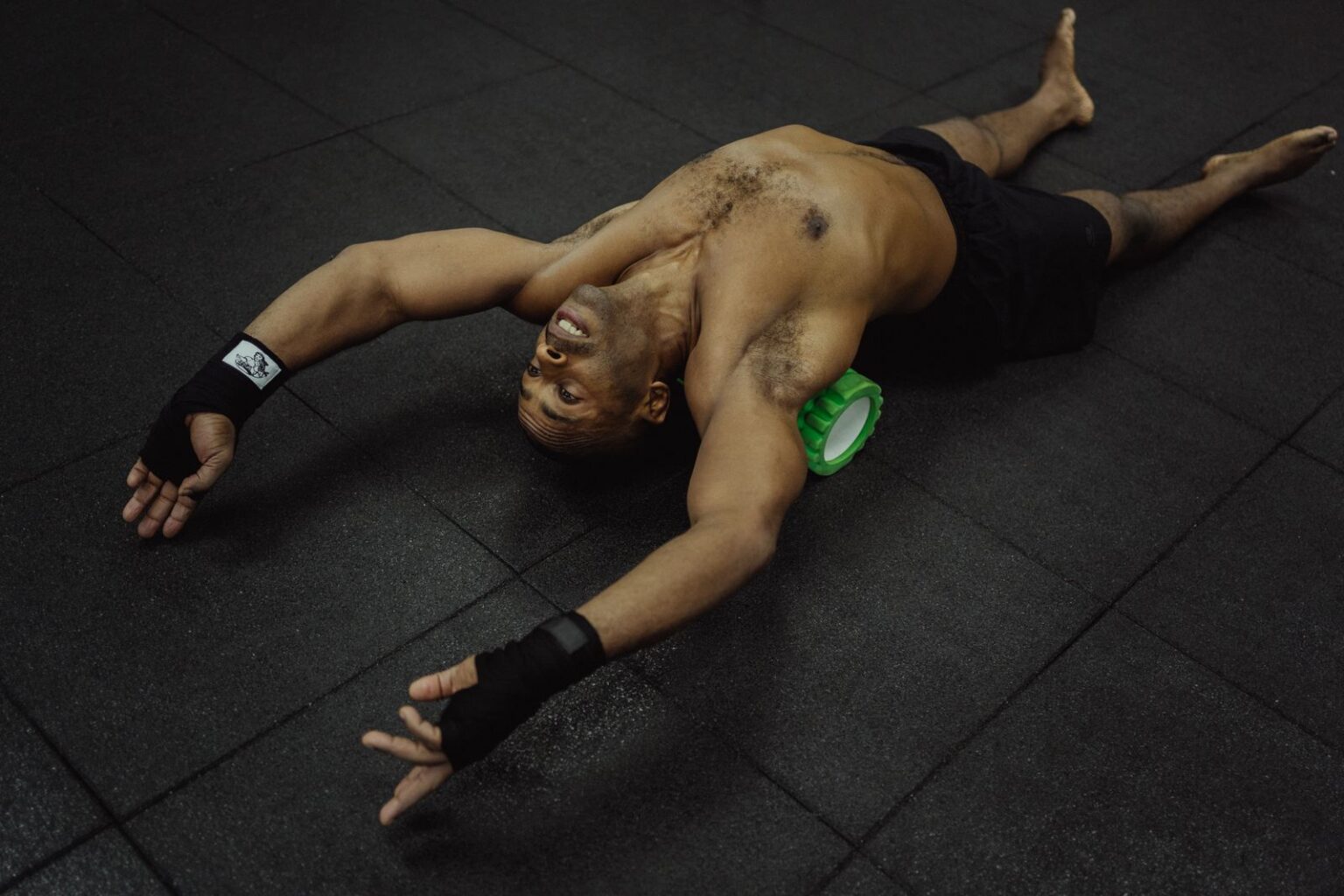
No recovery tool, red light therapy included, can replace the basics that actually build strength. Progressive overload — gradually and intelligently increasing the demands you place on the muscle — is the primary driver of adaptation. Around that sit the recovery essentials: enough quality sleep, adequate protein and overall nutrition, sensible programming with rest days, and managing total life stress. Red light therapy, at best, is a small optional layer on top of those pillars. A clear-eyed look at red light therapy strength training means separating anecdote from controlled evidence.
If a lifter is sleeping poorly, under-eating, and training the same sore muscles every day, a light panel will not fix the recovery problem. The most effective recovery strategy is rarely a gadget; it is consistent attention to the unglamorous fundamentals. Consulting a healthcare provider about red light therapy strength training is always a sensible step.
There is also a useful way to think about where a tool like this sits in the hierarchy of recovery. At the base are the non-negotiables: sleep, nutrition, and sensible programming, which account for the large majority of how well you recover. Above those sit habits with smaller and more variable effects, where red light therapy belongs alongside things like gentle mobility work and managing stress. The mistake many lifters make is inverting this order, investing heavily in a device while neglecting the base. A modest tool layered on a solid foundation is reasonable; a modest tool used to compensate for a missing foundation is wishful thinking. Keeping the hierarchy straight is the single most useful mental model for deciding how much attention any recovery gadget deserves. Devices marketed for red light therapy strength training vary widely in power output and wavelength.
How Lifters Might Use It
If you want to experiment, keep it simple. Expose the bare skin of the target muscle group at the manufacturer’s recommended distance and time, around your training sessions, and give it several weeks before judging whether it adds anything for you. Track how you feel rather than expecting a dramatic change. Because responses vary, it is entirely possible you will notice little, and that is a normal outcome consistent with the mixed evidence. Practitioners field frequent questions about red light therapy strength training from clients.
One sensible way to evaluate it is to change only one thing at a time. If you simultaneously start a new program, sleep more, and begin using a light device, you will have no way of knowing what, if anything, helped. Holding your training and recovery habits steady while trialing red light therapy gives you a fairer read on whether it contributes anything for you personally. And if you conclude it does little, there is no need to feel you have done something wrong; that result is entirely in line with the uncertain, mixed evidence and simply reflects how variable individual responses can be. Studies on red light therapy strength training have drawn increasing attention from researchers.
Safety, Limits, and When to Seek Help: Red light therapy strength training Notes
For most healthy adults, red light therapy at consumer doses is generally considered low-risk, with mild and temporary effects like brief warmth or redness. People who are pregnant, take photosensitizing medications, or have a relevant medical condition should consult a healthcare professional first, and protecting the eyes from bright light is sensible. When examining red light therapy strength training, it helps to look carefully at the underlying research.
It is also important to know the limits. Red light therapy does not cure injuries, does not reliably heal damaged tissue, and does not guarantee strength or performance gains. Strength training pain that is sharp, severe, worsening, accompanied by swelling or joint instability, or that does not settle with rest deserves assessment by a healthcare professional rather than self-management with a recovery device. Persistent or severe pain is a signal to get proper care, not to train through it with a panel as backup. Used realistically — as a modest, optional recovery habit alongside sound programming, sleep, and nutrition — red light therapy can be a reasonable thing to try, but it earns its place as a supporting player, never the star.
Frequently Asked Questions
Does red light therapy build muscle or strength?
The evidence for strength gains is mixed and unconvincing. Some studies show small effects, others little or none. Red light therapy may support recovery and soreness for some people, but it does not reliably build muscle or guarantee strength gains; progressive overload does.
Can red light therapy reduce soreness after lifting?
It may help some people feel less fatigued or sore after training, based on early research, especially when light is applied before exercise. Effects are modest and vary by person, so treat it as a possible aid rather than a sure thing.
Should I use it before or after my workout?
Studies have tested both, with some signal for pre-exercise use on fatigue-related measures. There is no single proven protocol. Follow your device’s recommended distance and time and stay consistent rather than using longer sessions.
Is more light better for recovery?
No. Research describes a biphasic dose response, meaning a moderate dose may help while too much can reduce the benefit. Sitting closer or extending sessions beyond the guidance is not a route to better recovery.
Can red light therapy replace rest days or good sleep?
No. Progressive overload, sleep, nutrition, and rest are what drive strength adaptation. Red light therapy is at most a small optional layer on top of those fundamentals, not a substitute for them.
Ready to get your red light therapy device? See our brand reviews and product reviews, and try out our product comparison tool to inform your decision.