
Red light therapy vs other body contouring is a comparison many people want when researching non-invasive options — but the most important thing to understand is what all these methods have in common. It is natural to want a comparison, but the most important thing to understand before comparing anything is what these methods have in common: none of them is a weight-loss method. This article offers a neutral, cautious look at red light therapy vs other body contouring approaches, while being clear about the limits of all of them.
The aim is not to crown a winner. These are different tools that target the appearance of specific areas in different ways, with varying and often limited evidence. For any of them, the responsible path is realistic expectations and a conversation with a qualified professional — not the assumption that a procedure will produce weight loss or replace healthy habits.
The Most Important Caveat First
Before any red light therapy vs other body contouring comparison, one point must be front and center: body contouring is about appearance at targeted areas, not weight loss. Approaches in this category aim to affect the look or contour of a specific region, and they are not interventions for reducing overall body weight. Reviews of low-level laser therapy for body contouring make this clear for the light-based approach, describing small, short-term circumference changes at treated areas with an uncertain mechanism and inadequate stand-alone efficacy.
This caveat applies broadly. Whatever the method, expecting body contouring to function as weight loss is a misunderstanding, and the evidence for these approaches as stand-alone solutions is generally limited. Keeping this in mind reframes the entire red light therapy vs other body contouring conversation.
Where Red Light Therapy Fits
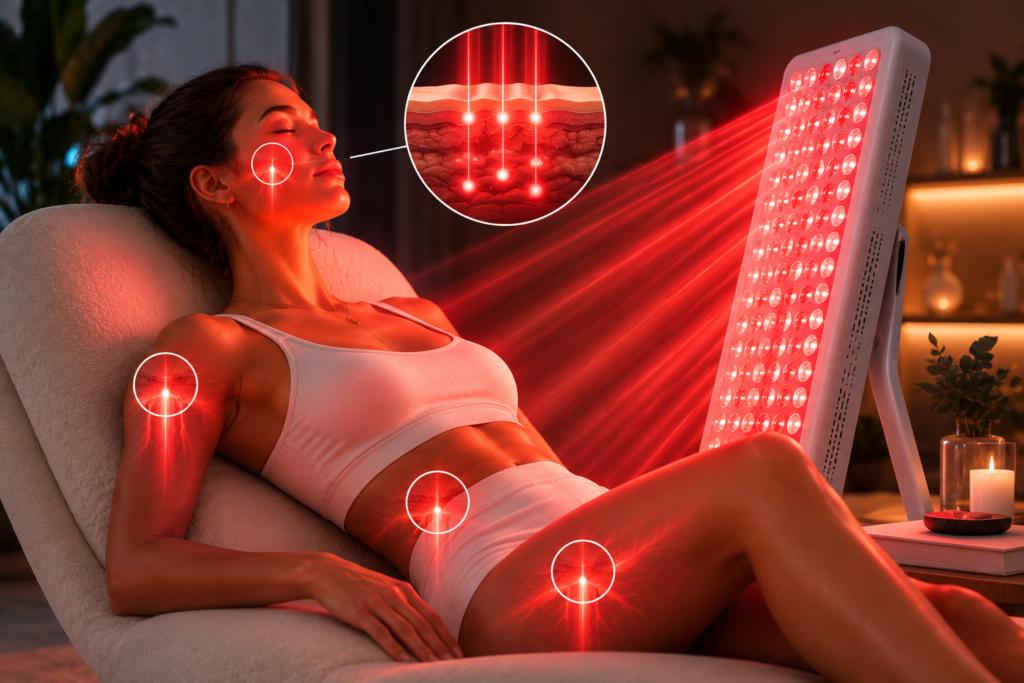
In any red light therapy vs other body contouring comparison, red light therapy is among the gentlest options in this space. Cleveland Clinic describes it as using low levels of red and near-infrared light to influence cells without damaging the skin, which makes it low-intensity and typically comfortable. In the body-contouring context, the research describes small, short-term reductions in the circumference of treated areas in some studies.
The trade-offs are important. Reviewers emphasize that the mechanism is not well understood and that stand-alone efficacy is inadequate, and a comprehensive review of low-level laser therapy for fat-layer reduction describes the evidence as preliminary. In the red light therapy vs other body contouring landscape, red light is gentle and non-damaging but with limited evidence for meaningful, lasting change.

How Other Non-Invasive Approaches Differ
The red light therapy vs other body contouring comparison gets more nuanced when you look at how other methods work. Rather than detailing or endorsing any specific branded procedure, it is more useful to understand the general landscape and how to evaluate it.
Different Mechanisms, Similar Caveats
Some non-invasive approaches use cooling, heat, sound energy, or other means to affect targeted areas. They differ from red light therapy in how they work and in their intensity, and many are professionally administered procedures rather than home practices. What they share with red light therapy is the central caveat: they target the appearance of specific areas, the evidence varies, and none is a weight-loss method. Differences in mechanism do not change that common limitation.
Cleared vs. Approved, and Why It Matters
When comparing devices and procedures, the regulatory language matters and is easily misread. The U.S. Food and Drug Administration distinguishes between products that are cleared through pathways such as the 510(k) process and those that undergo more rigorous approval. A device being “FDA cleared” for a specific use is not the same as being “FDA approved,” and neither status means a product causes weight loss. Reading these terms precisely helps you avoid being swayed by regulatory-sounding marketing.
How to Compare Honestly
A fair red light therapy vs other body contouring comparison focuses on sensible questions rather than marketing claims. How does the approach work, and is it gentle or more intensive? Is it a home practice or a professional procedure? What does independent evidence — not the manufacturer — actually show, and how strong is it? What are the realistic, honest expectations, and does anyone involved guarantee results, which would be a warning sign? Applied evenly, these questions reveal that every option in the red light therapy vs other body contouring space has meaningful limits.
Red light therapy generally scores as gentle and low-risk, available both at home and professionally, but with limited evidence for lasting contouring effects. Other approaches vary in intensity and setting, with their own evidence profiles, but they share the same fundamental ceiling: appearance at targeted areas, not weight loss.

See a Qualified Professional
Because many body-contouring approaches are procedures with their own considerations, and because the right choice depends on your individual situation and goals, a qualified professional is the appropriate guide. A consultation can clarify what a given approach can and cannot realistically do, whether it is suitable for you, and how to avoid products or providers that overpromise. This is far more reliable than comparing marketing pages, and it is especially important before pursuing any procedure.
A professional can also help reset expectations toward what genuinely matters for the body and health: the proven fundamentals rather than the contouring method of the moment.
Questions Worth Asking Before You Commit
Whatever approach you are weighing, a short set of questions tends to cut through the marketing. What exactly does this method do, and to what part of the body? Is it gentle or more intensive, and is it a home practice or a professional procedure? What does independent evidence — not the company selling it — actually show, and how strong and how long-term is that evidence? What are the realistic, honest expectations for someone like me? And does anyone involved guarantee a result, which would be a clear warning sign? Asking these of red light therapy and of any alternative, on equal terms, keeps the comparison grounded.
You will usually find that the answers expose meaningful limits everywhere. That is not a reason for cynicism; it is simply an accurate picture of a category where evidence is often modest and where appearance, not weight, is the most that is on offer. Going in with that understanding protects both your expectations and your budget.

Why “Non-Invasive” Should Not Lower Your Guard
In any red light therapy vs other body contouring discussion, it is tempting to assume non-invasive means both safe for everyone and effective. Some non-invasive methods are professional procedures with their own considerations, and even gentle options like red light therapy are not automatically suitable for everyone, which is part of why professional guidance matters. Reading “non-invasive” as a guarantee of either safety or results is a mistake worth avoiding.
Keeping It All in Perspective
It is worth stepping back from the comparison entirely. None of these approaches, red light included, is a path to weight loss, and the evidence for lasting appearance change is generally limited across the board. For weight and health, public health guidance continues to point to nutrition, physical activity, sleep, and behavior change as the real drivers. Body contouring, by any method, is at most a cosmetic adjunct for some people, chosen with realistic expectations and professional guidance, and never a substitute for those fundamentals or for medical care.
The Bottom Line
Red light therapy sits among non-invasive body-contouring approaches as one of the gentlest, with limited evidence for lasting effects and an uncertain mechanism, while other methods differ in how they work and how intensive they are. The decisive point is what they share: every one of them targets the appearance of specific areas rather than producing weight loss, and the evidence for each as a stand-alone solution is limited. Compare them neutrally, read regulatory terms like “cleared” carefully, manage expectations, and consult a qualified professional — while keeping proven fundamentals at the center of any real weight or health goal.
Ready to get your red light therapy device? See our brand and product reviews, and try out our product comparison tool to inform your decision.
Frequently Asked Questions
Is red light therapy better than other body-contouring methods?
There is no clear winner. Red light therapy is among the gentlest options but has limited evidence for lasting effects, while other methods differ in mechanism and intensity. More importantly, all of them target the appearance of specific areas and none is a weight-loss method.
How is red light therapy different from other non-invasive approaches?
It is low-intensity and works by influencing cells with red and near-infrared light without damaging the skin, whereas other approaches may use cooling, heat, or sound energy and are often professional procedures. They share the same caveat: appearance at targeted areas, not weight loss.
Does ‘FDA cleared’ mean a body-contouring device causes weight loss?
No. FDA clearance through pathways like the 510(k) process is not the same as FDA approval, and neither status means a product causes weight loss. These regulatory terms should be read precisely rather than treated as proof of weight-loss benefits.
Are any of these approaches a substitute for weight loss?
No. Body contouring of any kind targets the appearance of specific areas and is not a method for losing weight. For weight and health, the proven drivers remain nutrition, physical activity, sleep, and behavior change, not contouring procedures.
How should I decide between body-contouring options?
Focus on how each works, how strong the independent evidence is, and what is realistic, and be wary of any guarantees. Because many are procedures, consult a qualified professional who can clarify what is appropriate for you and help you avoid approaches that overpromise.
This article is for general educational purposes only and is not medical advice. Red light therapy is not a substitute for professional care. Talk with a qualified healthcare professional about your individual situation.