\\\\\\\\Red light therapy is just one of many skincare technologies people consider, and it is natural to wonder how it stacks up against approaches like microneedling, chemical peels, and laser treatments. The honest answer is that these are different tools designed for different goals, and comparing them is less about ranking and more about understanding what each does. This guide compares red light therapy vs other treatments to help you understand how each option works, where it fits, and which goals it may be best suited for.
One theme runs throughout: many of these approaches, especially procedural ones, are medical or professional treatments. The most reliable way to choose among them is a conversation with a board-certified dermatologist who can assess your skin and goals. Red light therapy may support skin-appearance goals for some people, but it is not interchangeable with a clinical procedure.
Red Light Therapy vs Other Treatments: The Key Difference
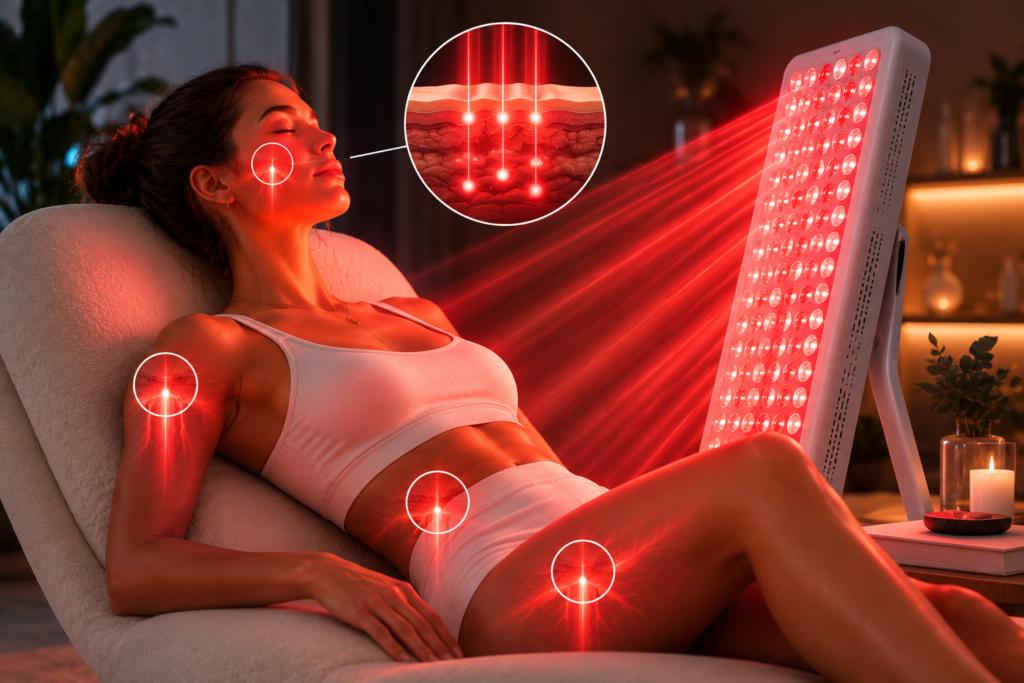
A useful way to understand the landscape is to recognize that many skincare technologies work by creating a controlled injury that prompts the skin to repair itself, whereas red light therapy aims to do something gentler. According to Cleveland Clinic, red light therapy uses low levels of red and near-infrared light to influence cells without damaging the skin. It is non-ablative and low-intensity, designed to gently support cellular activity rather than to wound the skin.
Microneedling, chemical peels, and many laser treatments take a different route: they deliberately create micro-injuries, remove surface layers, or use heat to remodel tissue, relying on the skin’s healing response. That difference — gentle support versus controlled injury — drives most of the contrasts in intensity, downtime, and how and where each is performed.
Red Light Therapy vs Other Treatments: Red Light Therapy
Red light therapy stands out for its gentleness. Because it does not damage the skin, it typically involves no recovery time, and side effects at appropriate doses tend to be mild and temporary, such as brief warmth or redness. A broad review of low-level light therapy in skin describes the range of ways light may support skin cells, and the practice is available both in professional settings and as home devices like panels and masks.
The trade-off for that gentleness is that effects tend to be subtle and gradual, emerging over weeks of consistent use, and results vary. Red light therapy may support the appearance of fine lines, texture, and tone for some people, but it is not a dramatic, single-session intervention, and it is not a cure for skin conditions.
Red Light Therapy vs Other Treatments: Microneedling
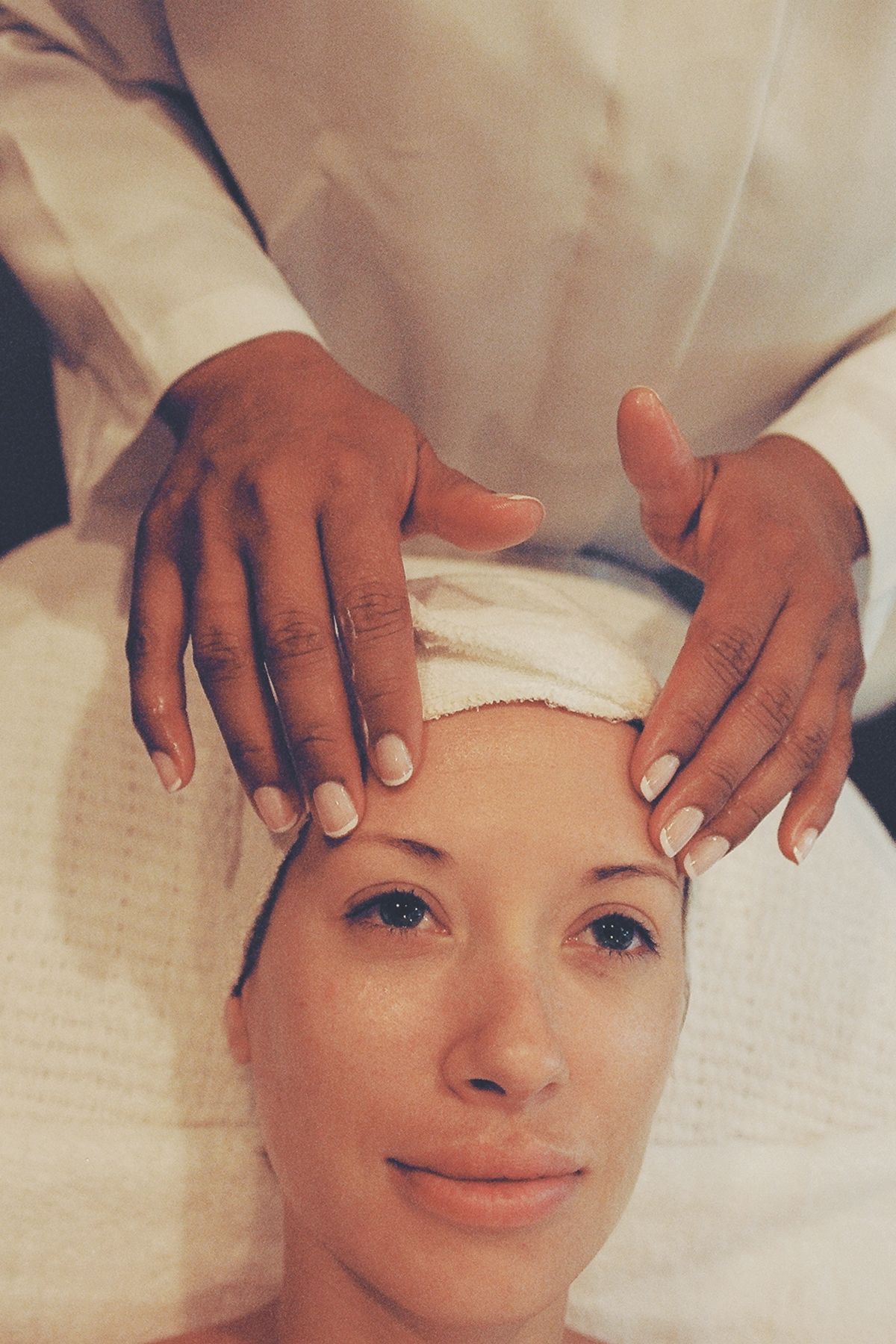
Microneedling uses fine needles to create tiny controlled punctures in the skin, with the aim of prompting a healing response. It is a procedure typically performed or supervised by trained professionals, and because it works by creating micro-injuries, it generally involves some redness or recovery afterward. This is a fundamentally different approach from red light therapy’s non-damaging method, and the two are sometimes discussed together precisely because they sit at opposite ends of the gentleness spectrum.
Anyone considering microneedling should consult a qualified professional, both to determine whether it is appropriate and to have it performed safely. It is a clinical procedure, not a casual at-home habit.
Red Light Therapy vs Other Treatments: Chemical Peels
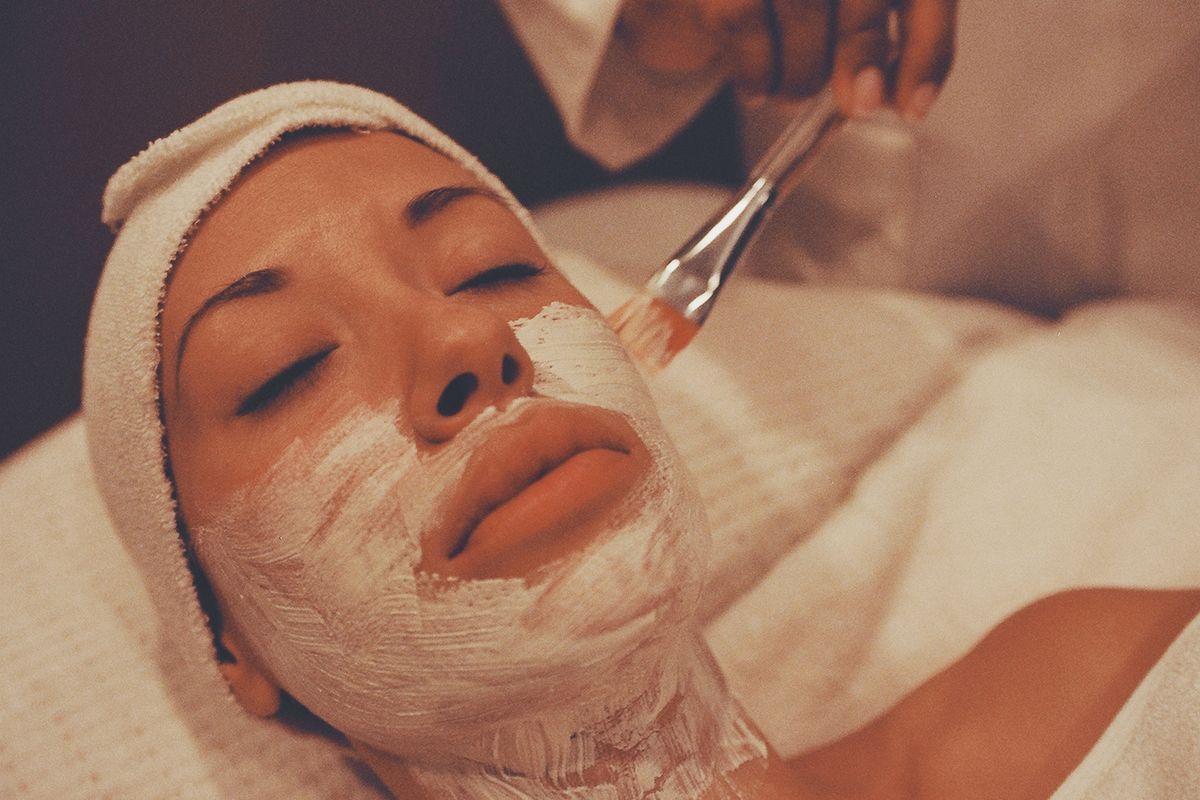
Chemical peels apply a solution to remove outer layers of skin so that newer skin can surface. Depending on their strength, they range from light to deep, with stronger peels involving more downtime and requiring professional administration. Like microneedling, peels rely on a controlled disruption of the skin rather than gentle support, which is why they sit in a different category from red light therapy.
Because peel strength and suitability depend heavily on your skin and goals, this is firmly a decision for a dermatologist or qualified professional, who can match the right peel — if any — to your situation and perform it safely.
Red Light Therapy vs Other Treatments: Lasers
Lasers and certain light-based procedures use focused energy, often heat, to target specific skin concerns. These are distinct from low-intensity red light therapy: many are higher-energy, professionally administered procedures that may involve downtime. The American Academy of Dermatology, discussing lasers and lights for acne, notes that such options can play a role for some people but are generally used as part of a broader plan rather than as a standalone cure, frequently under professional guidance.
The takeaway is that “light-based” is a broad umbrella. Low-level red light therapy and a high-energy clinical laser are not the same thing, and they serve different purposes. Procedural lasers belong in the hands of qualified professionals.
Comparing Red Light Therapy vs Other Treatments
Gentleness and Downtime
On gentleness, red light therapy is among the mildest options: non-ablative, low-intensity, and typically without downtime at appropriate doses. Microneedling, chemical peels, and laser procedures are generally more intensive and often involve some recovery, precisely because they work by controlled injury. If minimal downtime is a priority, that is a genuine point in red light therapy’s favor — though gentleness and dramatic results are different things.
Evidence
All of these approaches have bodies of evidence of varying size and quality, and direct head-to-head comparisons are limited. For red light therapy, reviewers consistently note that while research is encouraging for some skin-appearance goals, many studies are small and more standardized research is needed. The responsible conclusion is not that one approach is “proven best” but that each has different evidence, different goals, and different risk profiles.
Where It Is Done
Red light therapy is widely available as home devices as well as in professional settings. Microneedling, chemical peels (especially stronger ones), and laser procedures are typically professional treatments. That difference reflects their intensity: gentler practices lend themselves to home use, while procedures that disrupt the skin call for trained oversight.
Choosing Between Red Light Therapy vs Other Treatments
The most sensible way to think about all this is to start with your goal rather than the technology. Different concerns and priorities point toward different tools, and what suits one person may be wrong for another. Someone prioritizing a gentle, low-downtime habit for general skin appearance might reasonably explore red light therapy, while someone seeking a more pronounced change for a specific concern may be better served by a professional procedure — or by a combination, chosen with guidance. These approaches are not mutually exclusive, and they are not in direct competition so much as suited to different aims.
See a Dermatologist for Procedures and Diagnoses
This comparison is general and cautious by design, because the right choice is genuinely individual. A board-certified dermatologist can assess your skin, clarify which approaches are appropriate, and perform or oversee any procedure safely. For any medical skin concern — persistent acne, a new or changing spot, ongoing irritation, or anything that worries you — a dermatologist is the right resource, not a comparison article and not a home device.
The Bottom Line
Red light therapy differs from microneedling, chemical peels, and laser procedures in a fundamental way: it aims to gently support the skin without damaging it, whereas those procedures typically work by controlled injury and often involve downtime and professional administration. Red light therapy is gentle and low-downtime, and it may support skin-appearance goals for some people, but its effects are subtle and gradual, and it is not a cure. Rather than ranking these tools, match the method to your goal, and for procedures, diagnoses, and personalized advice, consult a board-certified dermatologist.
Ready to get your red light therapy device? See our brand and product reviews, and try out our product comparison tool to inform your decision.
Frequently Asked Questions
Is red light therapy better than microneedling or chemical peels?
They are different tools for different goals, so there is no single winner. Red light therapy is gentle and typically involves no downtime but produces subtle, gradual effects, while microneedling and peels work by controlled injury and are professional procedures. A dermatologist can help match the method to your goal.
Is red light therapy the same as a laser treatment?
No. Low-level red light therapy is gentle and non-damaging, while many laser procedures are higher-energy, professionally administered, and may involve downtime. “Light-based” covers a wide range of very different approaches.
Does red light therapy have less downtime than other treatments?
Generally yes. Because it does not damage the skin, it typically involves no recovery time at appropriate doses, whereas microneedling, peels, and lasers often involve some redness or recovery. Gentleness, however, is not the same as dramatic results.
Can I combine red light therapy with other skincare procedures?
These approaches are not mutually exclusive, and some people use more than one. Because procedures are medical and timing matters, the safe approach is to consult a board-certified dermatologist before combining them.
Which approach should I choose for my skin?
Start with your goal rather than the technology, and recognize that the right choice is individual. For procedures, diagnoses, and personalized advice, see a board-certified dermatologist, who can assess your skin and recommend appropriate, evidence-based options.
This article is for general educational purposes only and is not medical advice. Red light therapy is not a substitute for professional care. Talk with a qualified healthcare professional about your individual situation.